
Worktops by Material
Porcelain / Ceramic Worktops
Porcelain worktops bring the precision and versatility of advanced ceramic engineering to kitchen and bathroom surfaces. Lightweight, UV-stable, and available in remarkably faithful reproductions of natural stone and other materials.
Installation Service
Full supply, templating, fabrication & install across Hampshire, Sussex, Surrey, Dorset & Berkshire.
Supply & Fabrication — UK Wide
We can fabricate to your template or supply stone direct — anywhere in the UK. Learn more.
All Porcelain / Ceramic Worktops
Showing 468 of 468 stones
468 stones found
Browse Porcelain / Ceramic Worktops
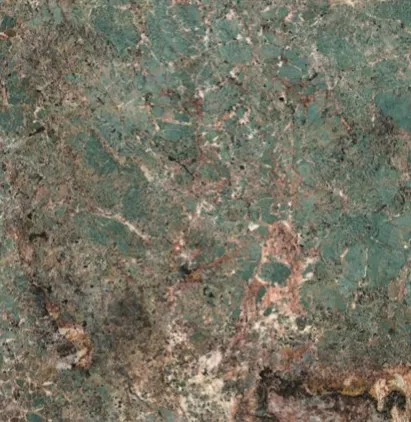
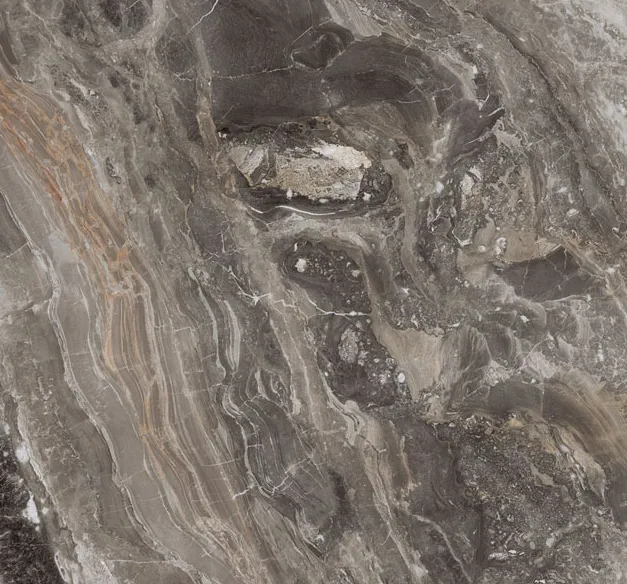
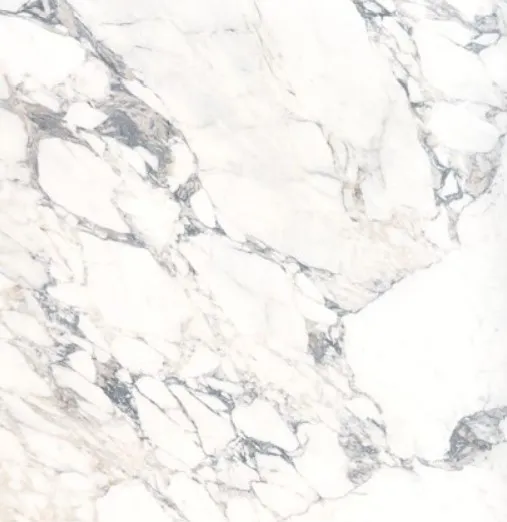

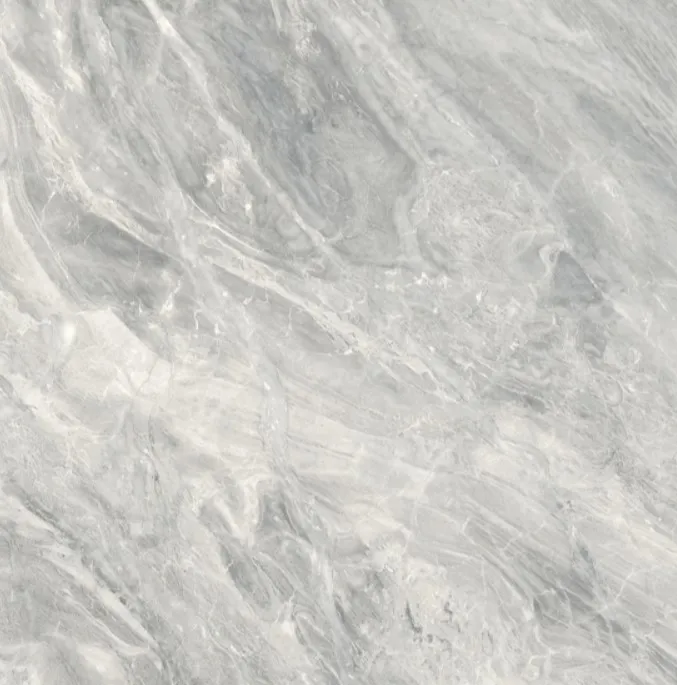



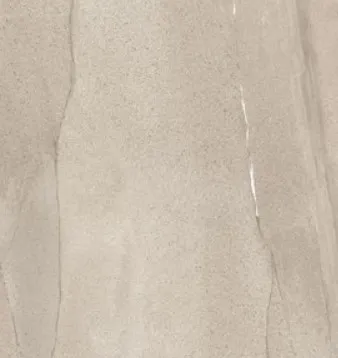


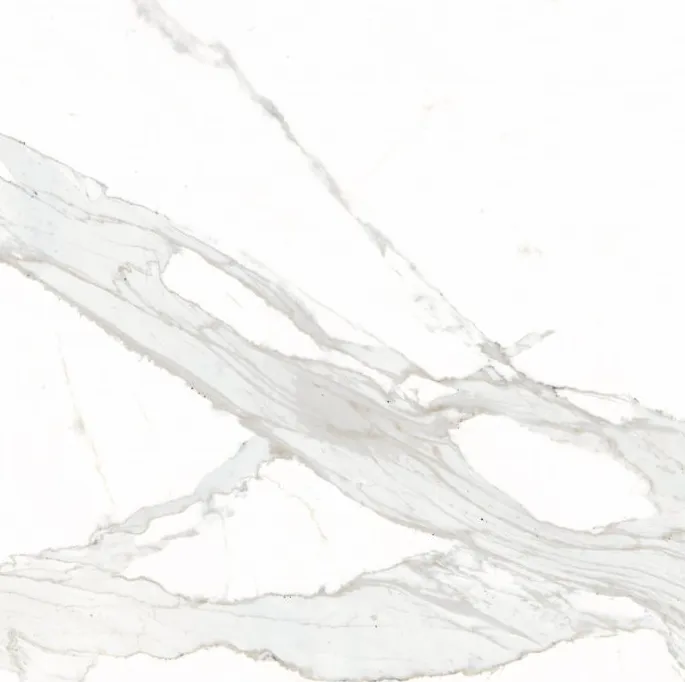

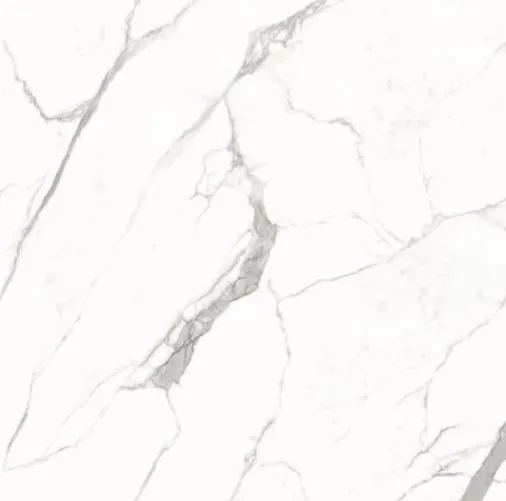
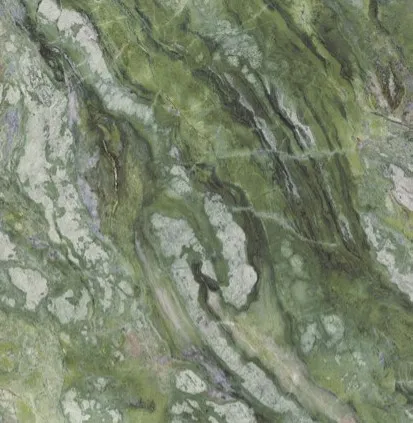
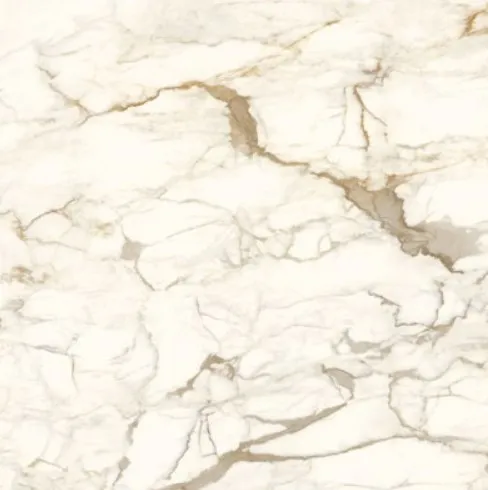

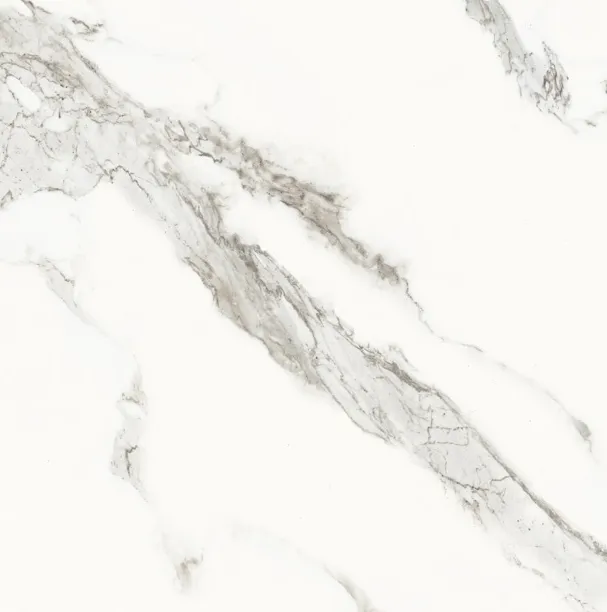
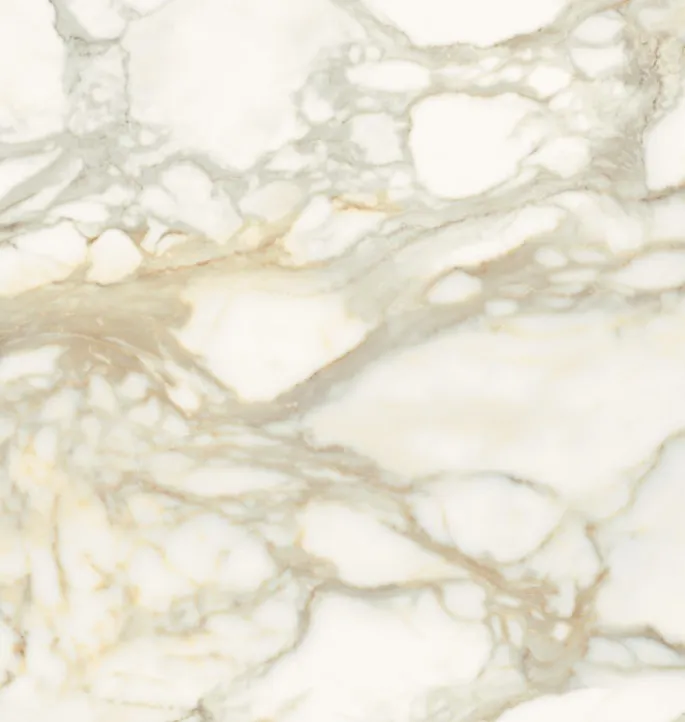

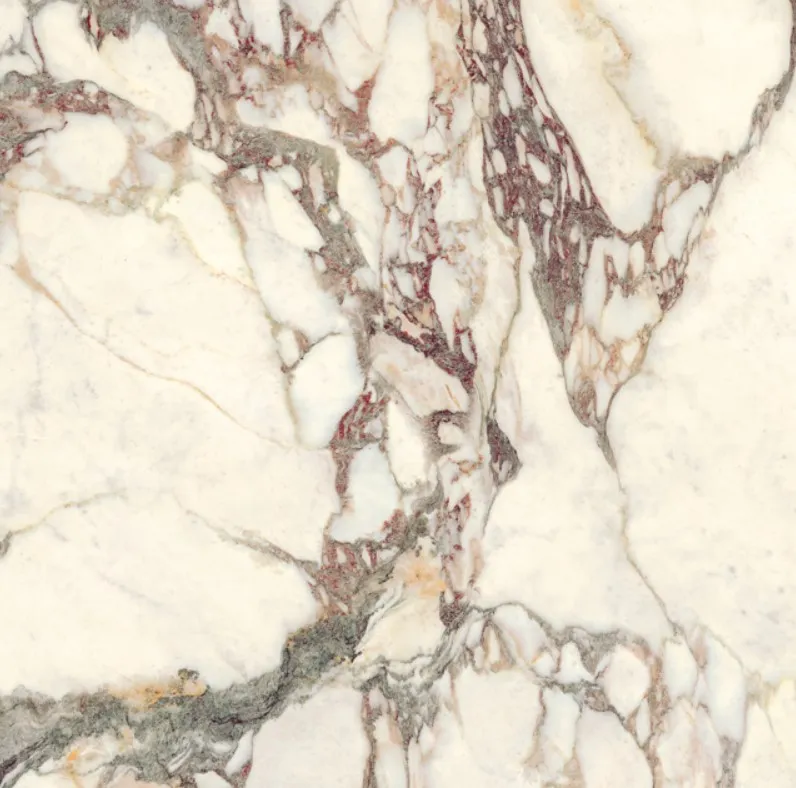

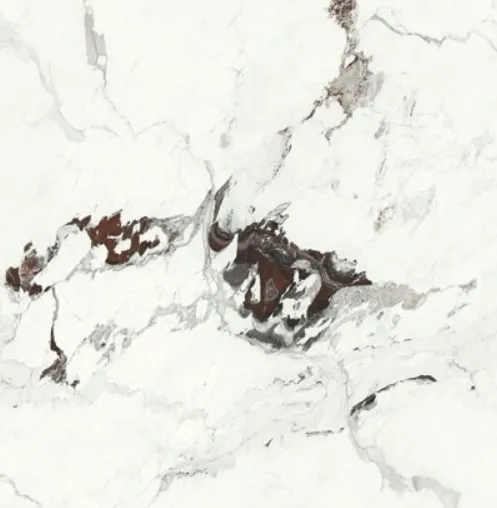
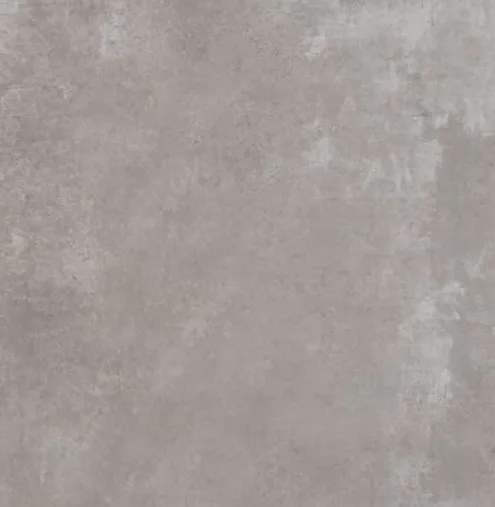
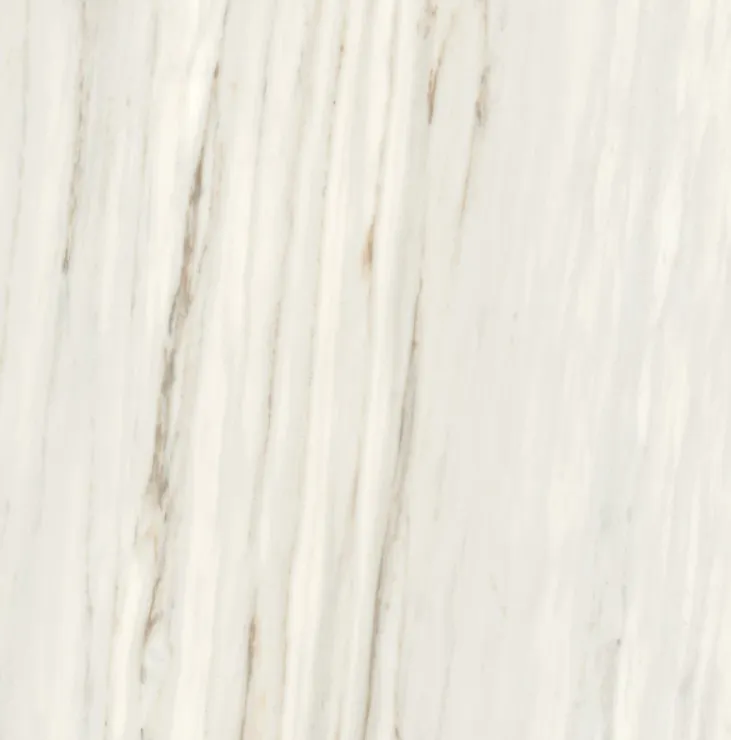
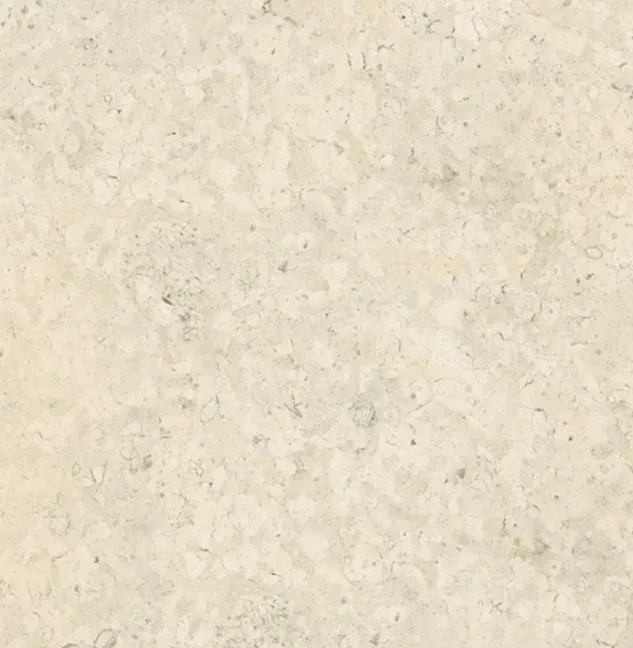
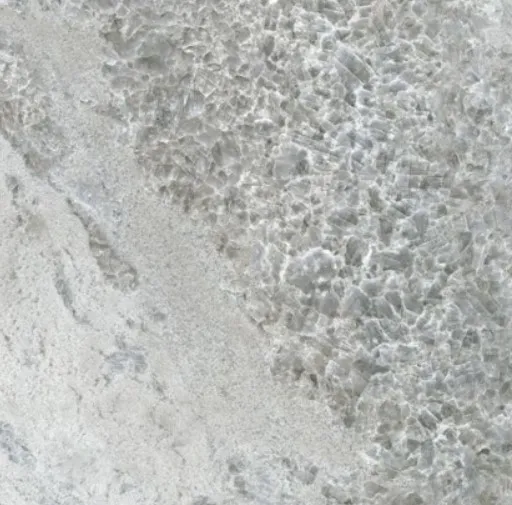

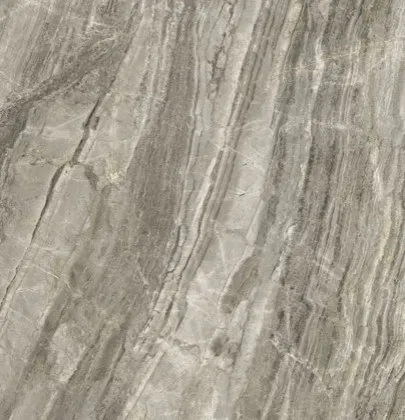




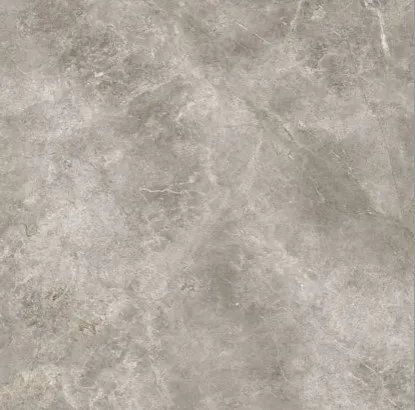
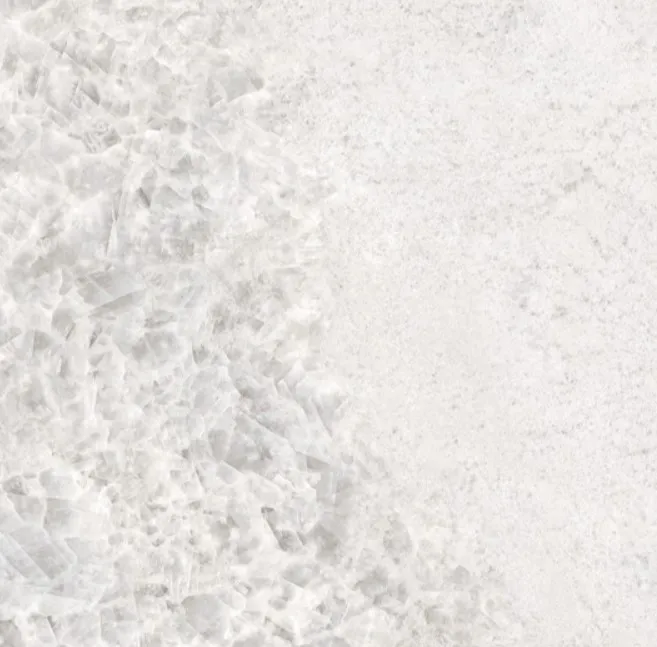
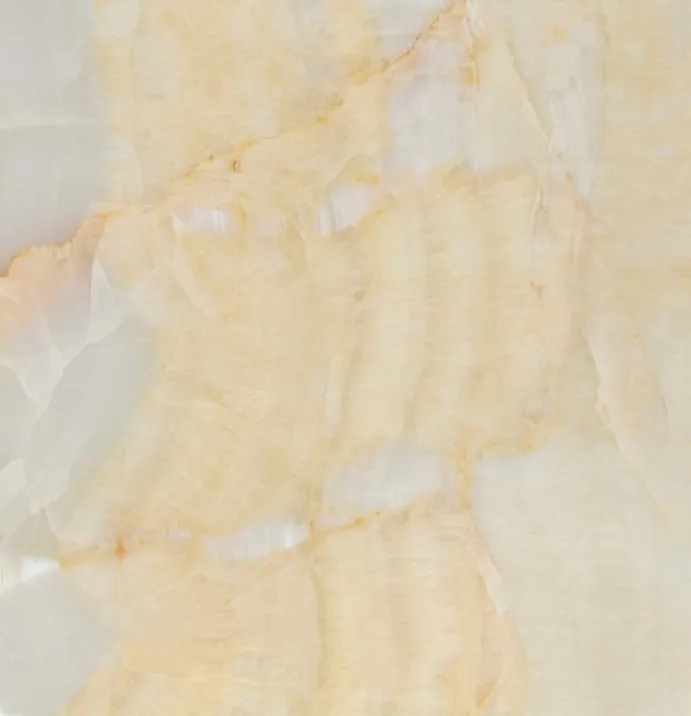

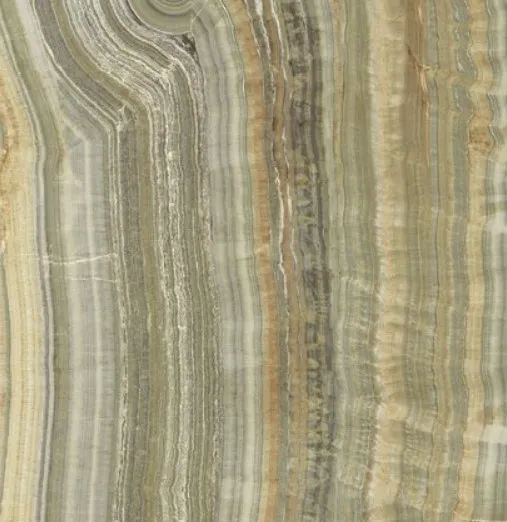
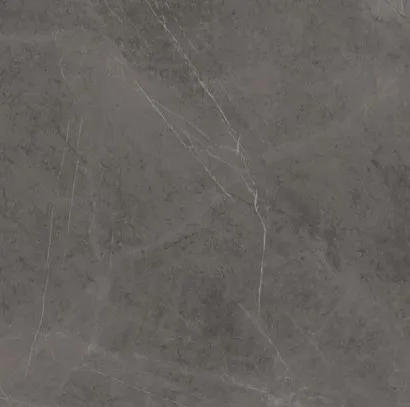
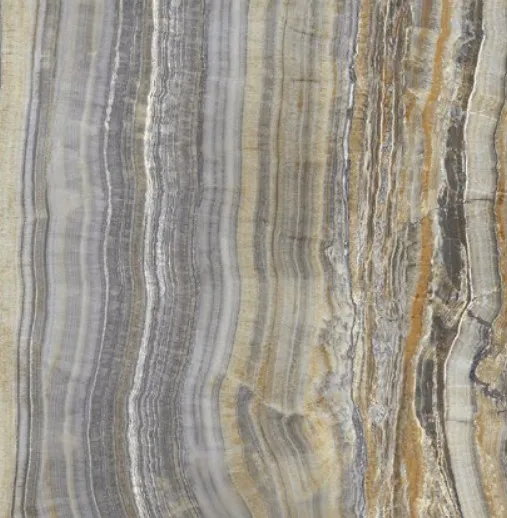
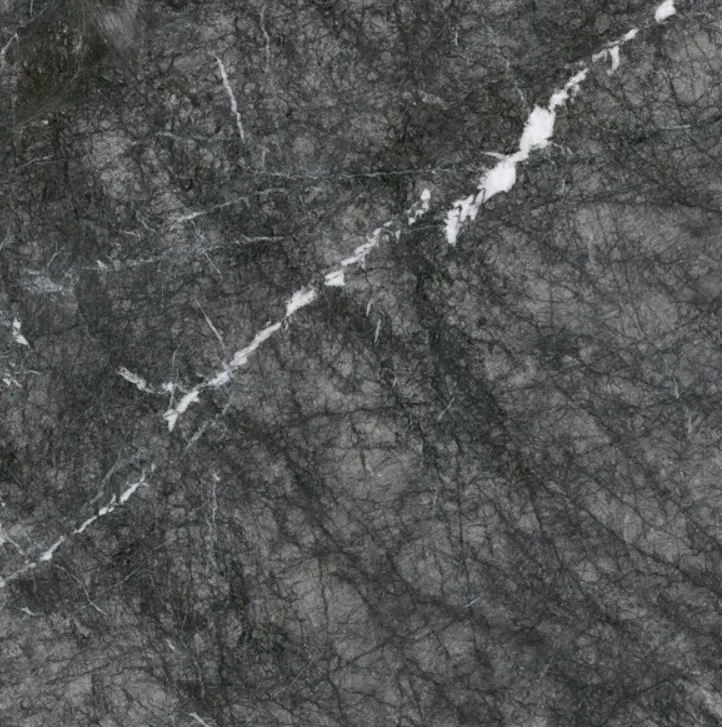














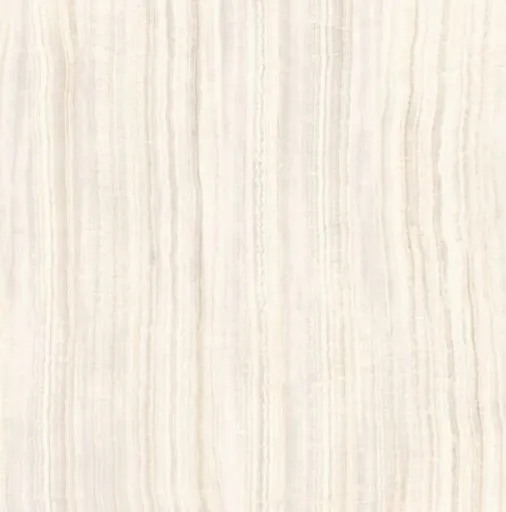
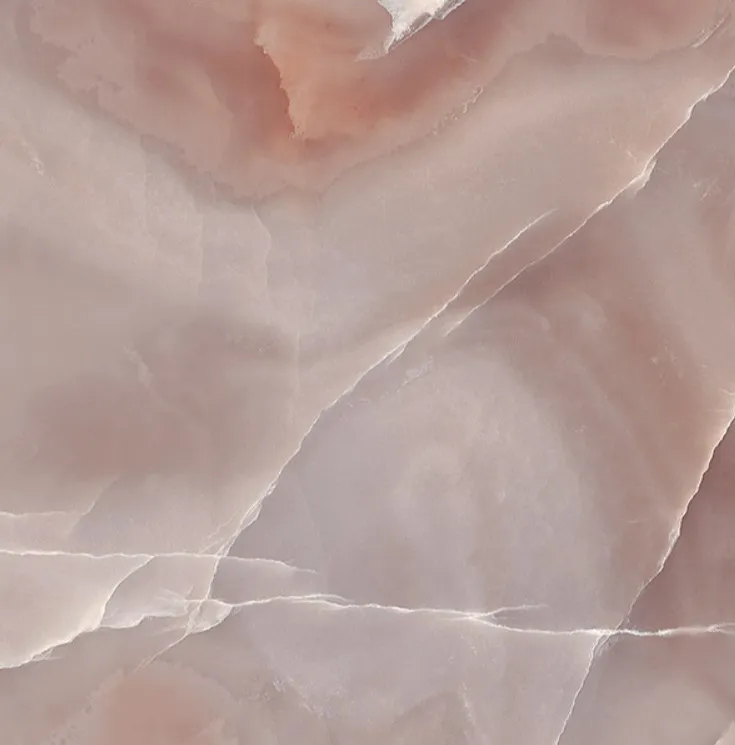

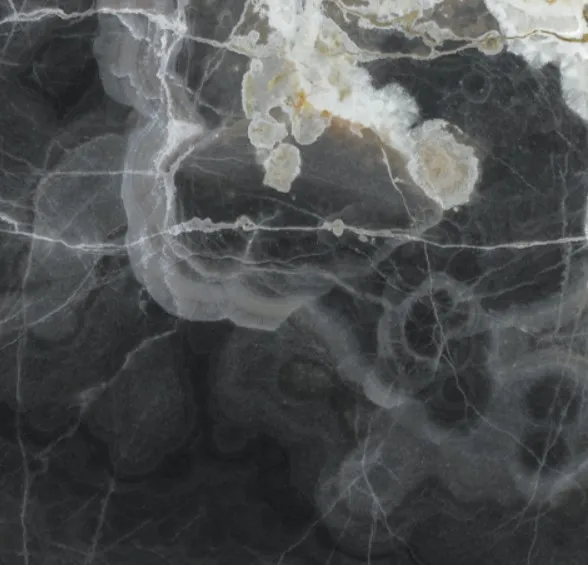
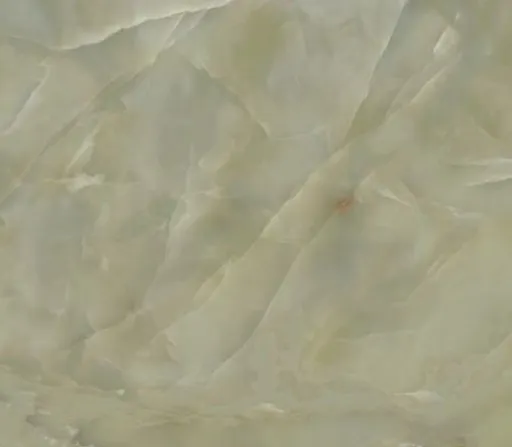

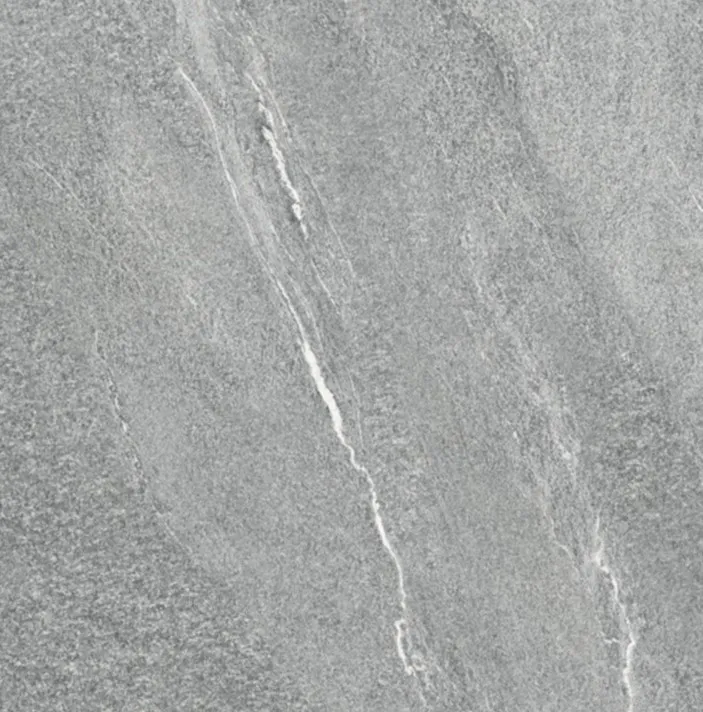
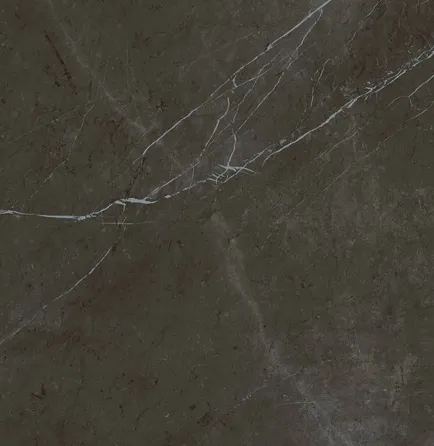

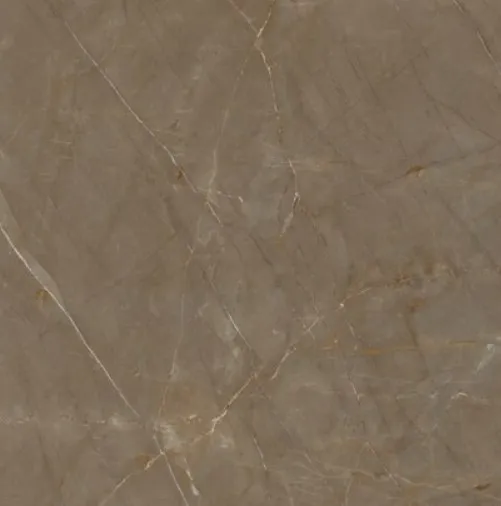
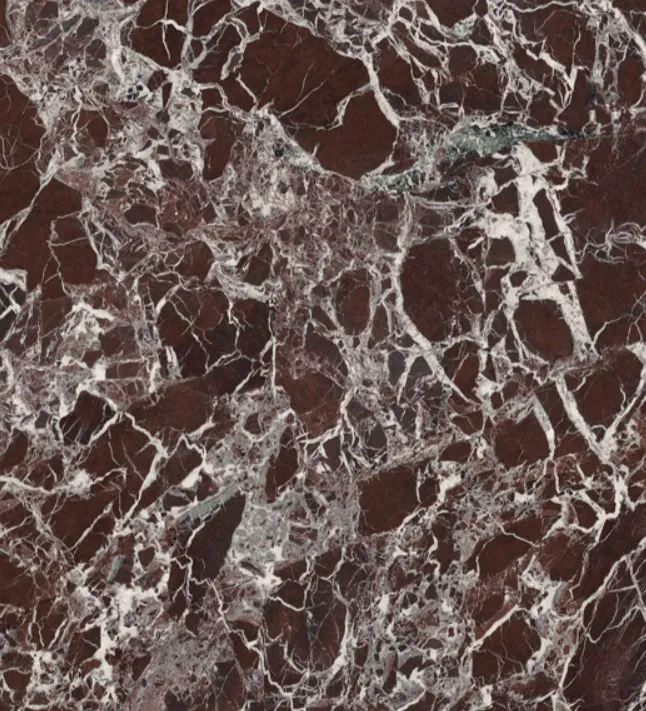
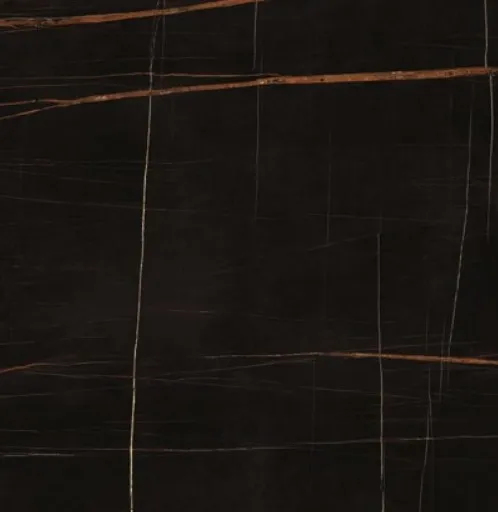










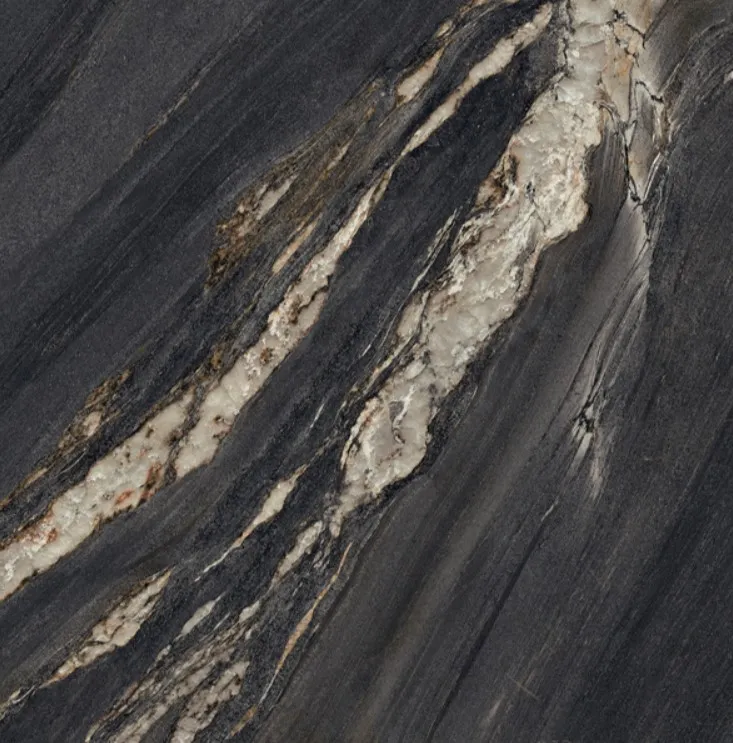
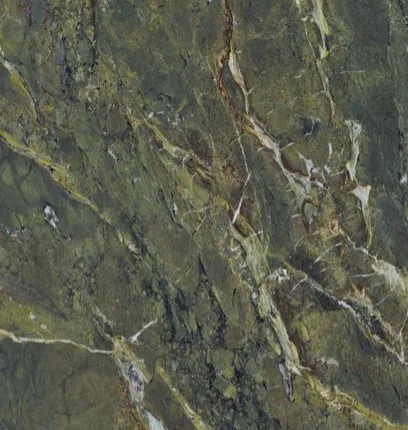
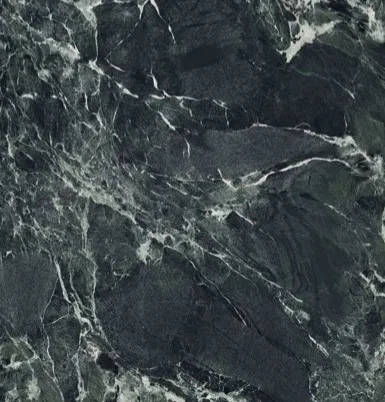
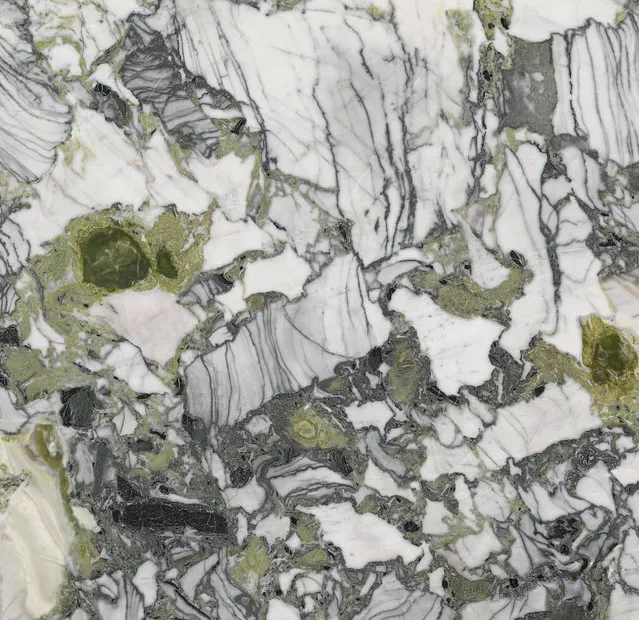
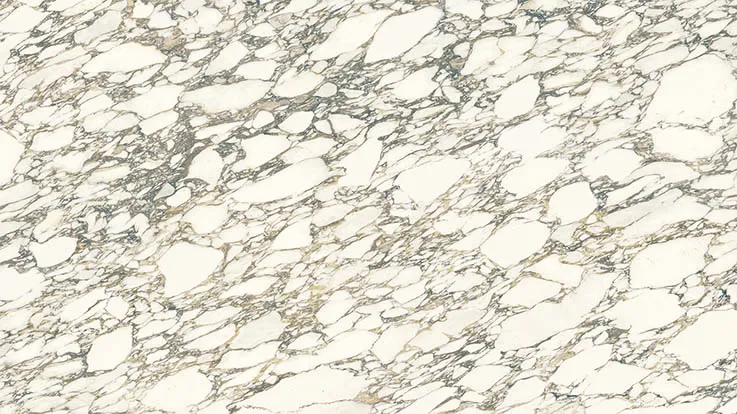
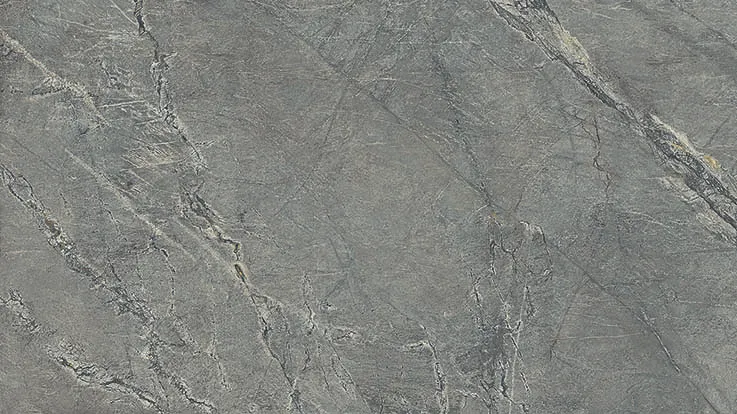
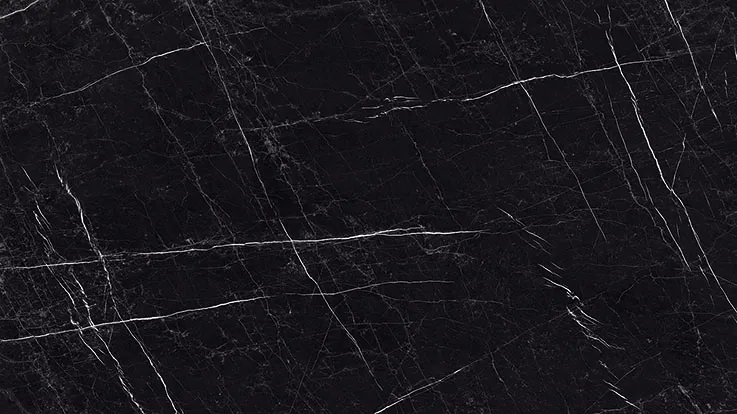
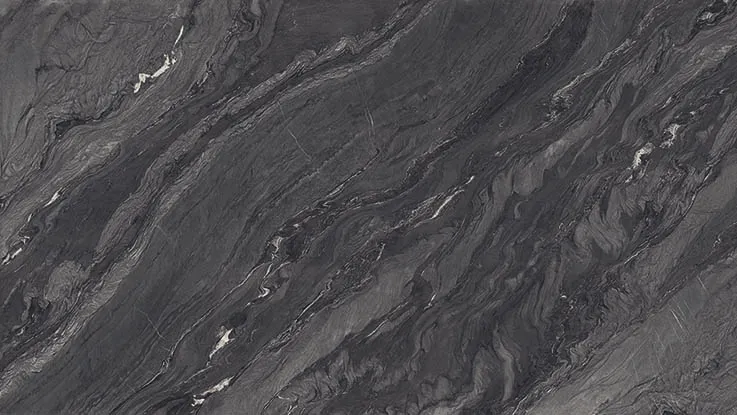
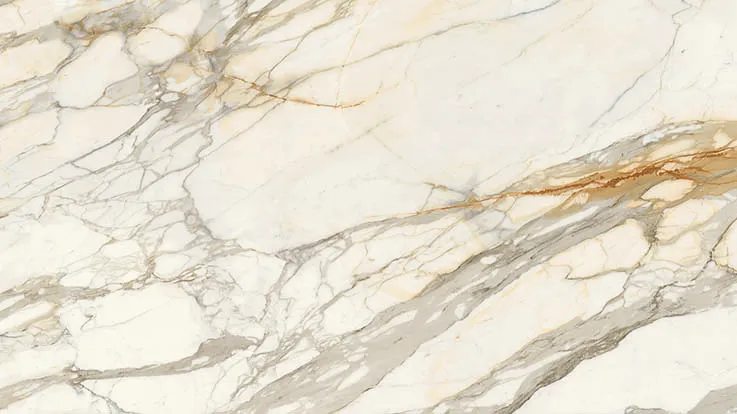
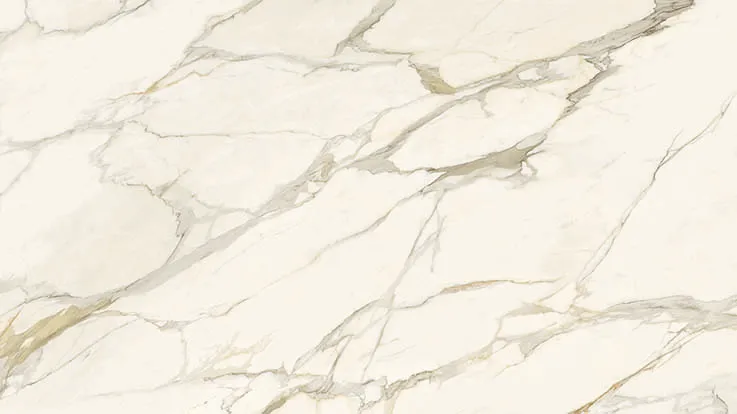
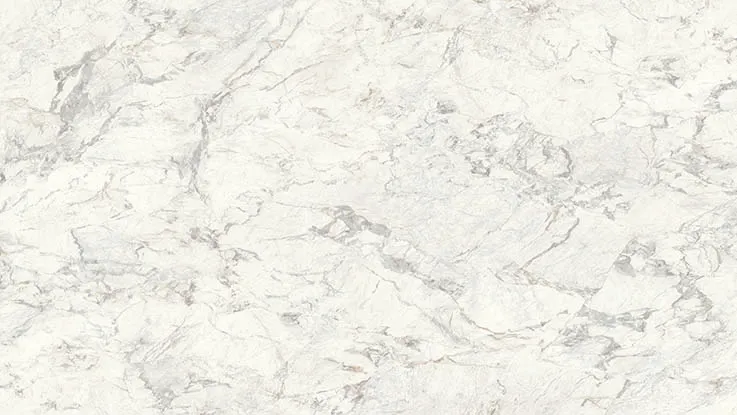




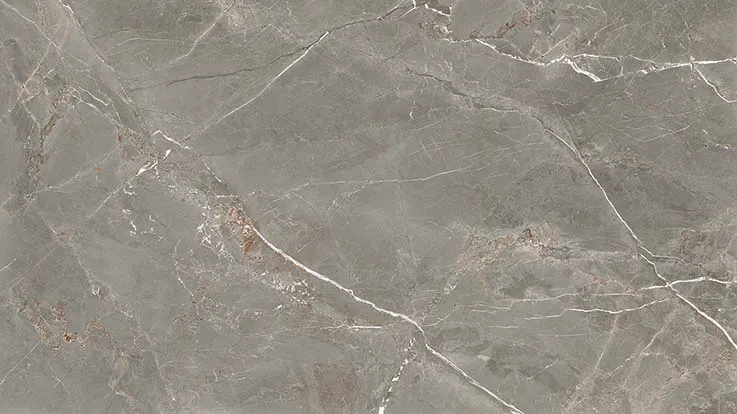
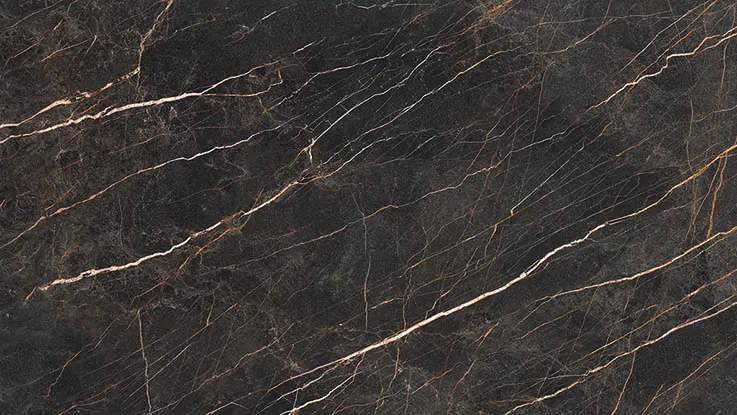
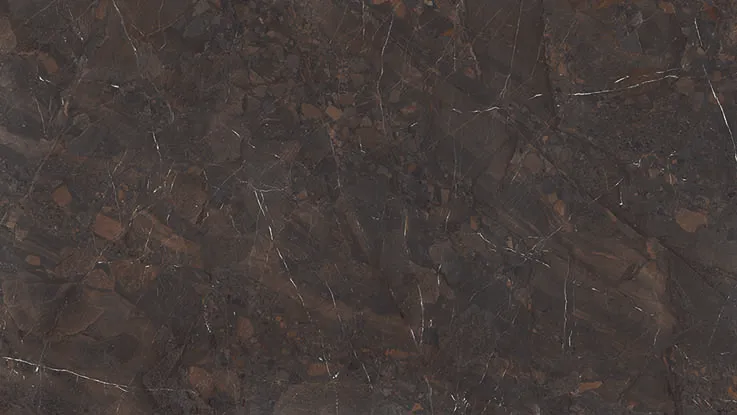

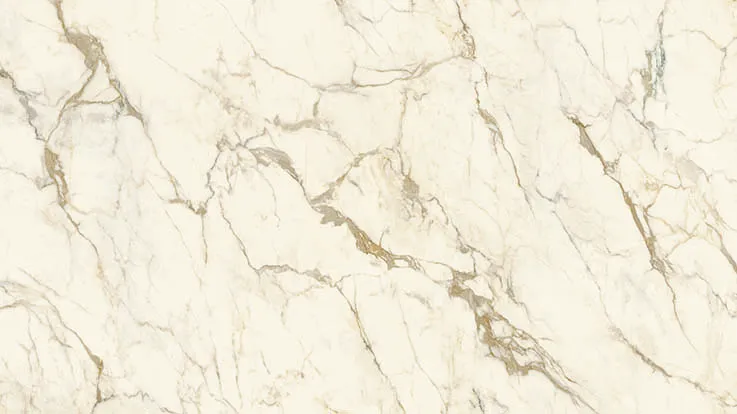
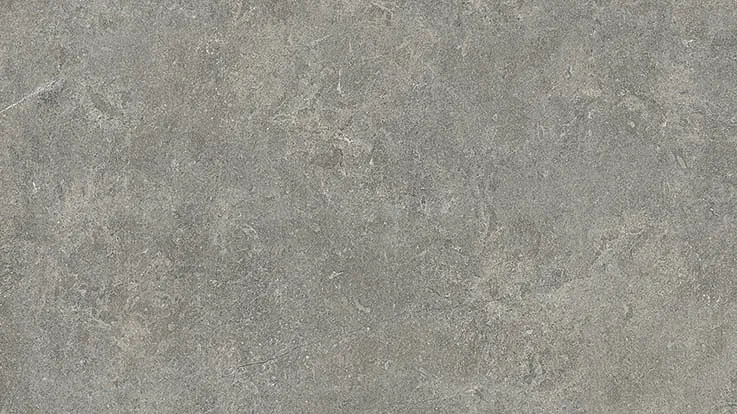
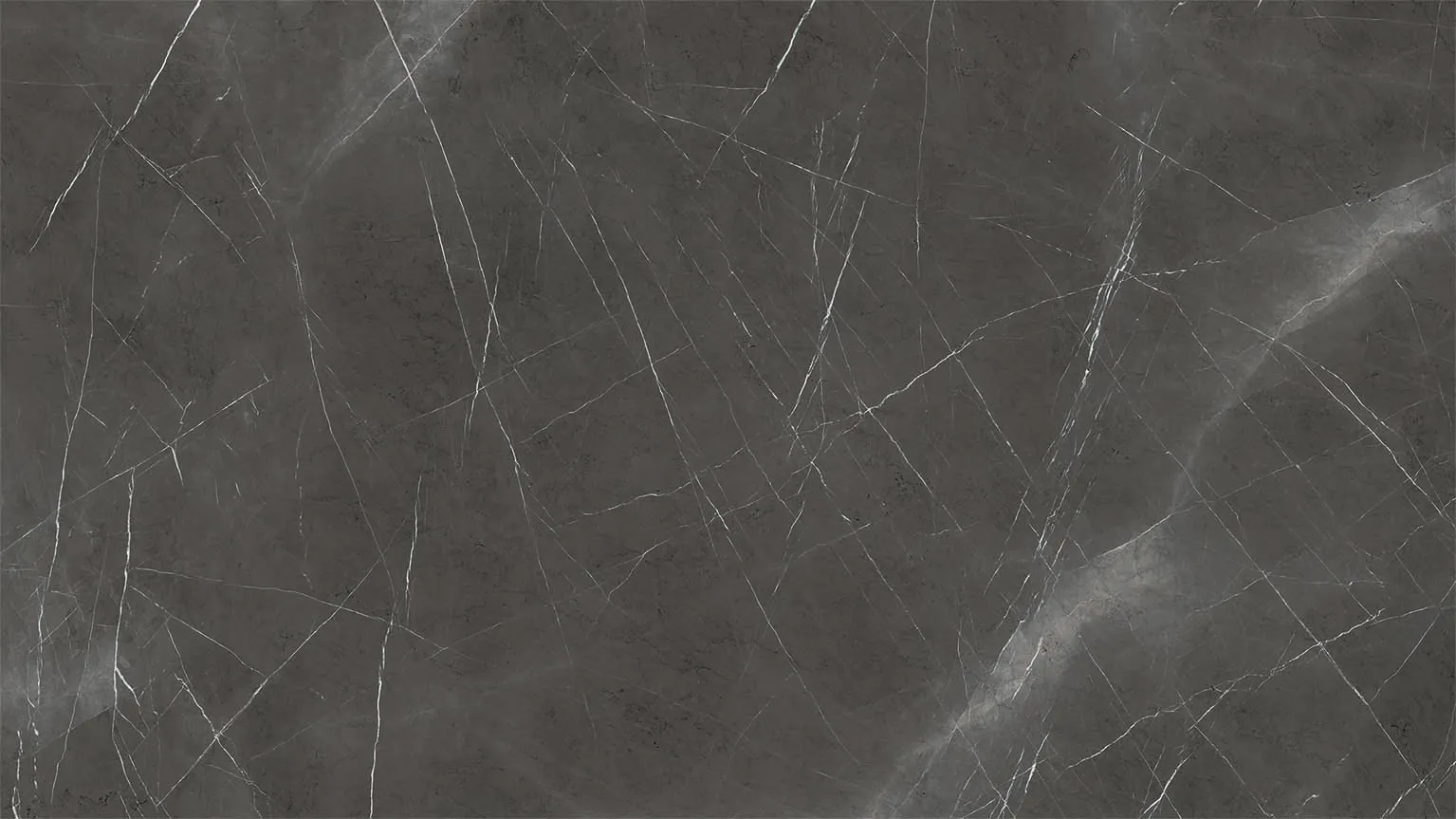
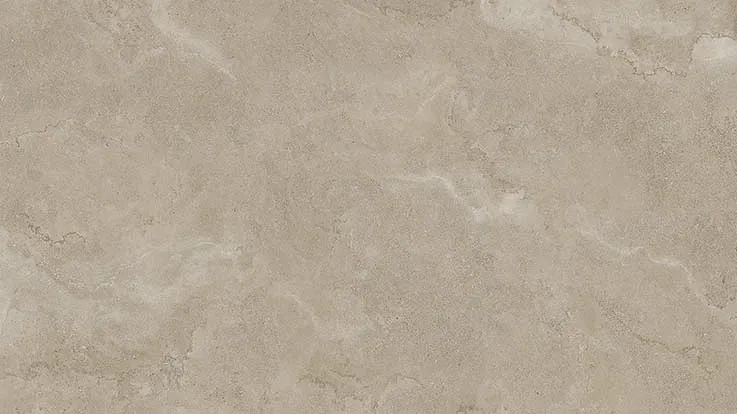
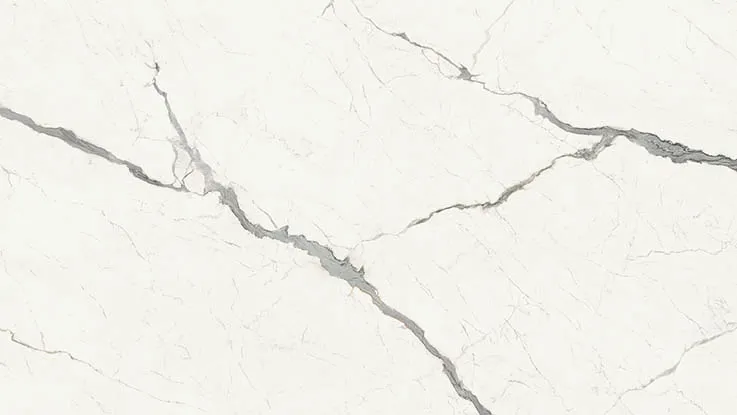
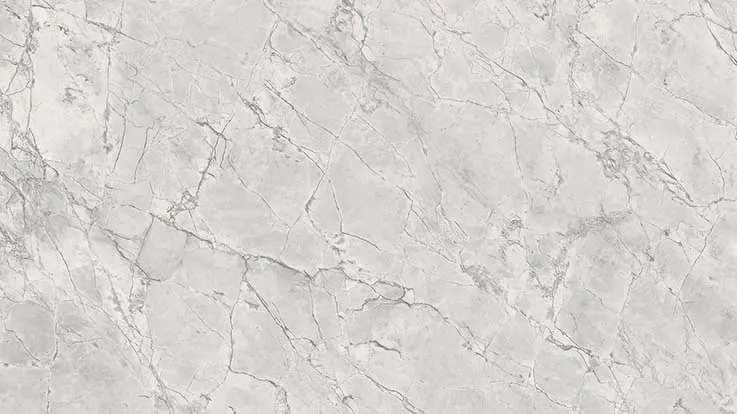


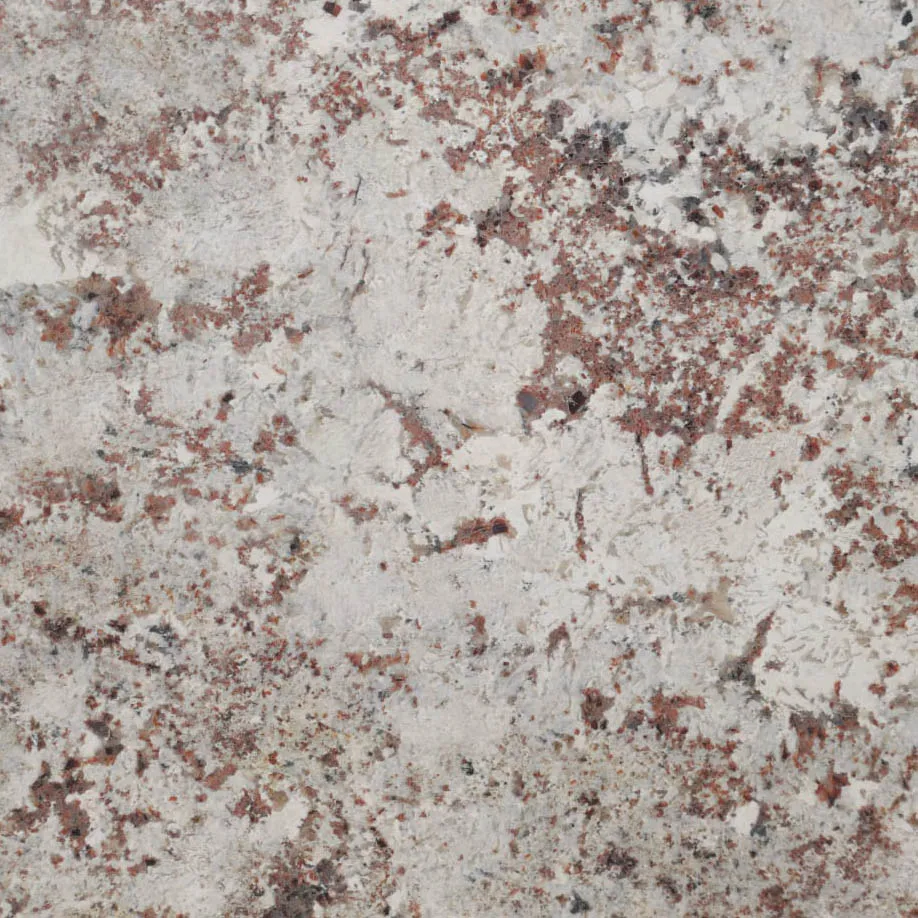
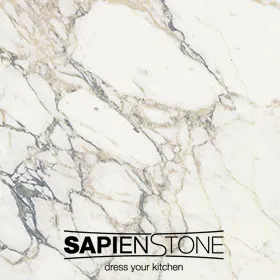







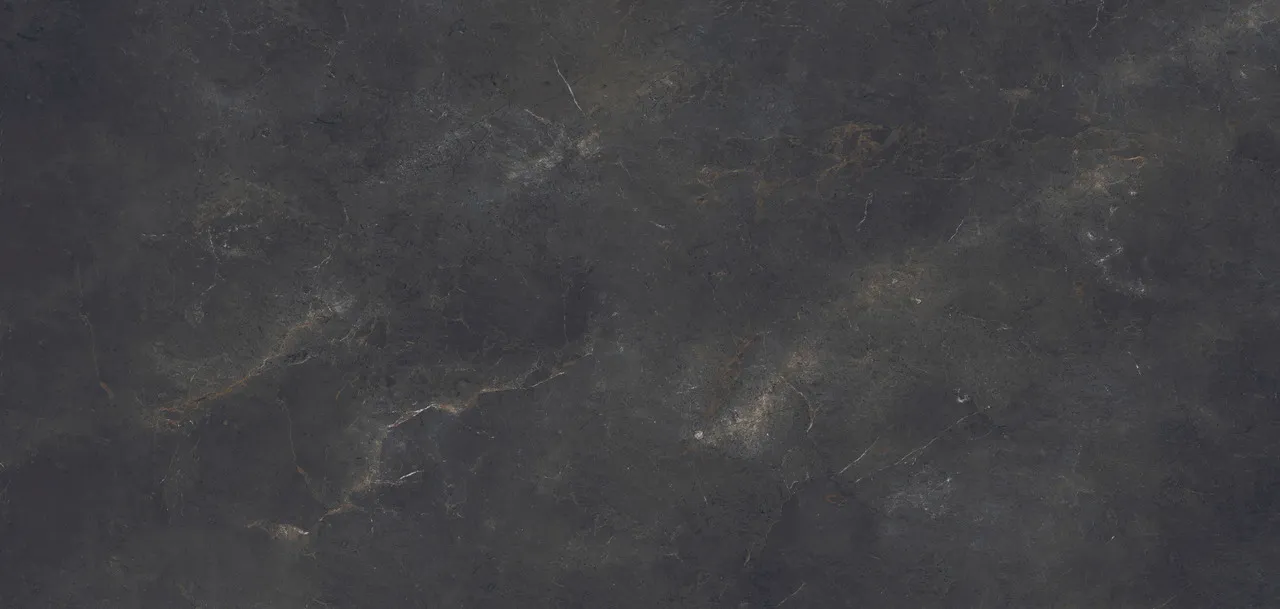
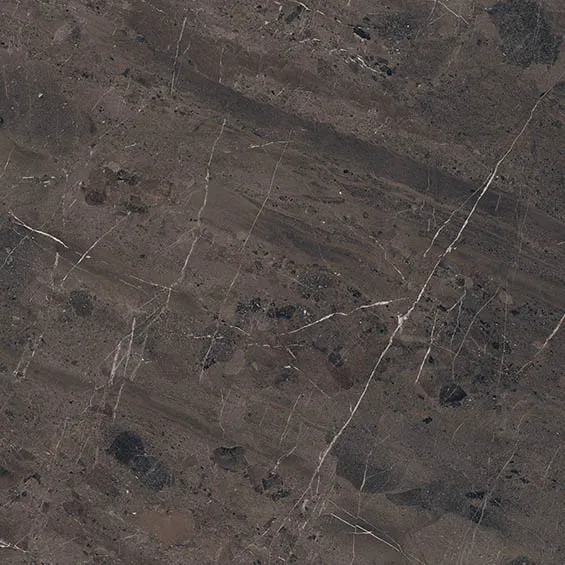
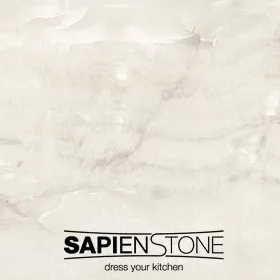
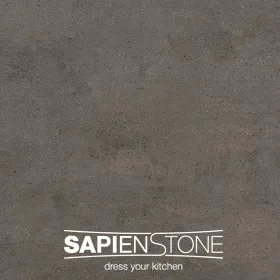

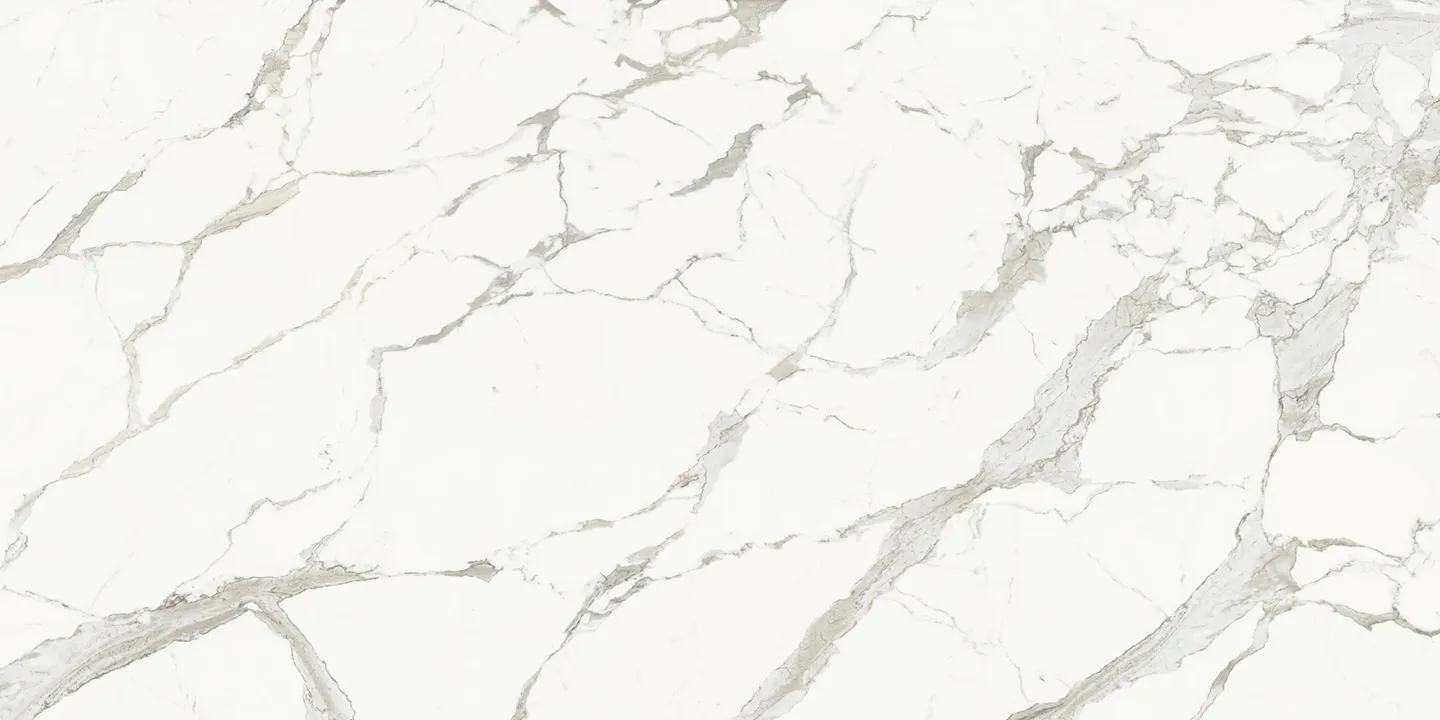
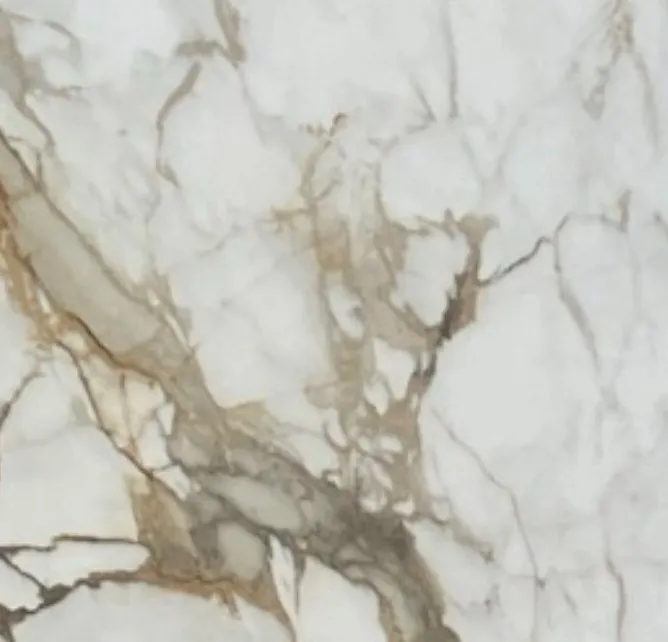
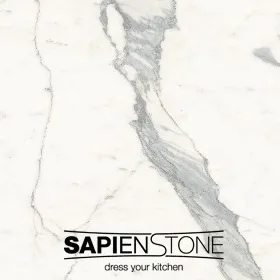
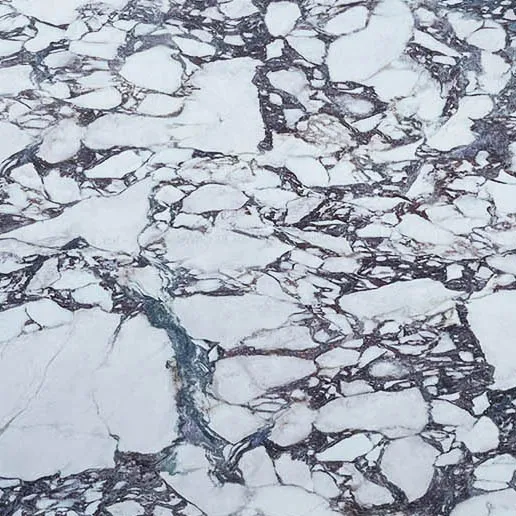
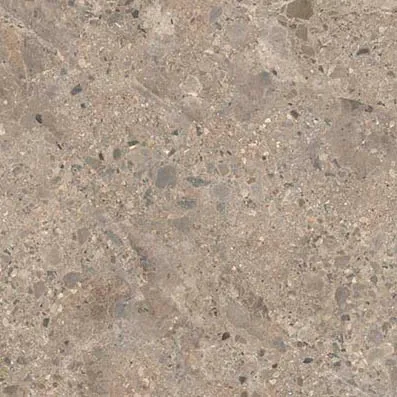

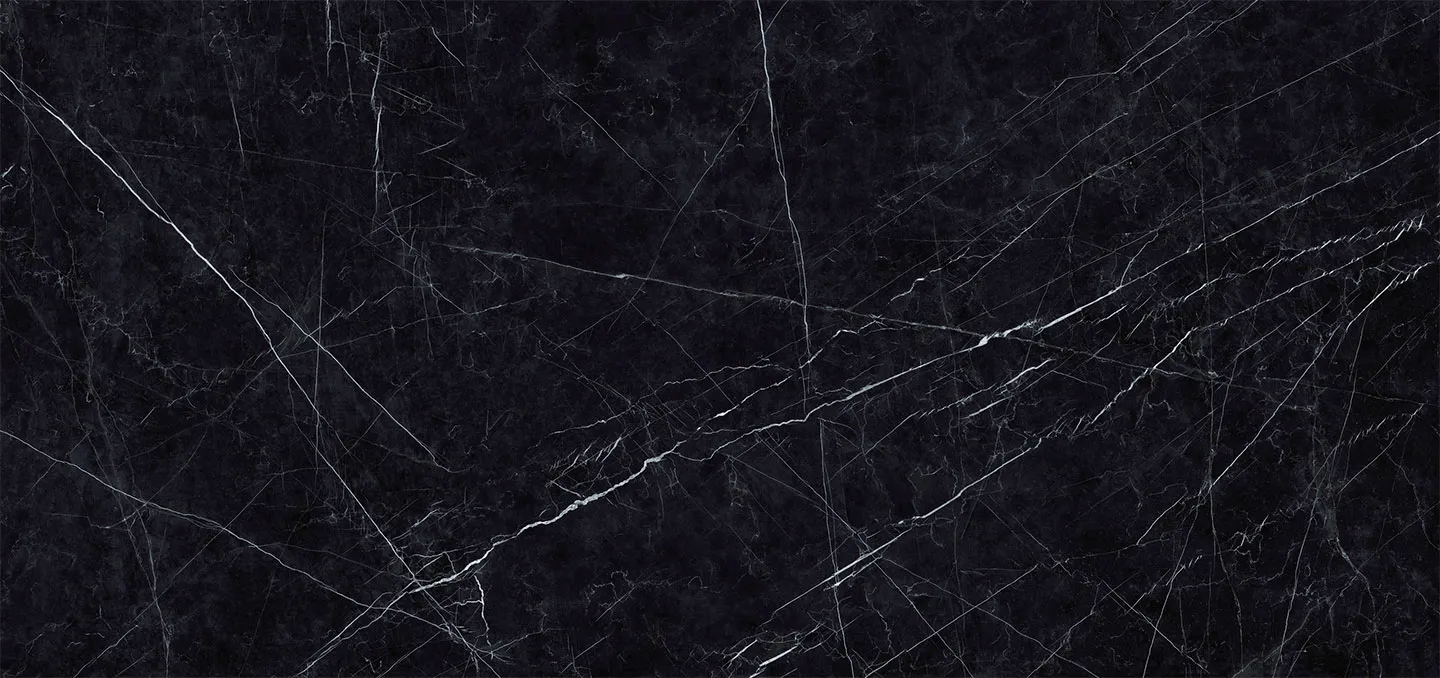
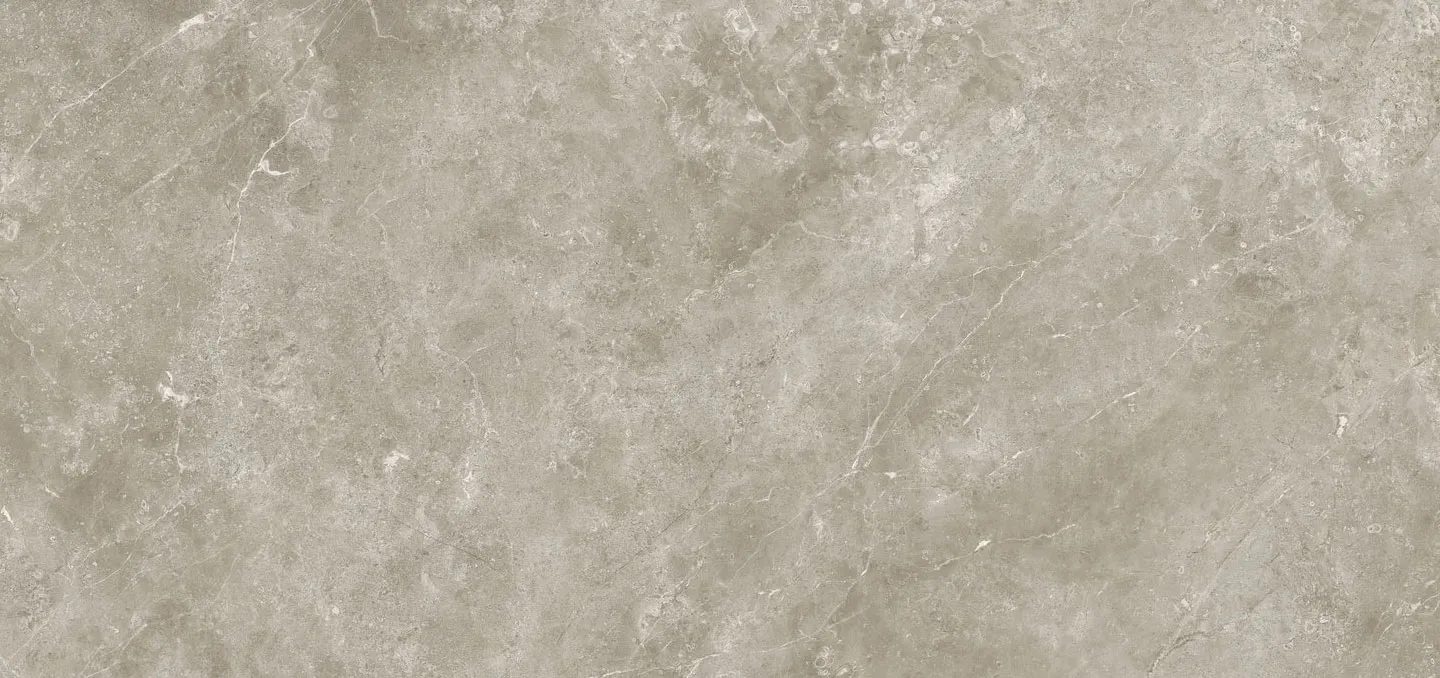
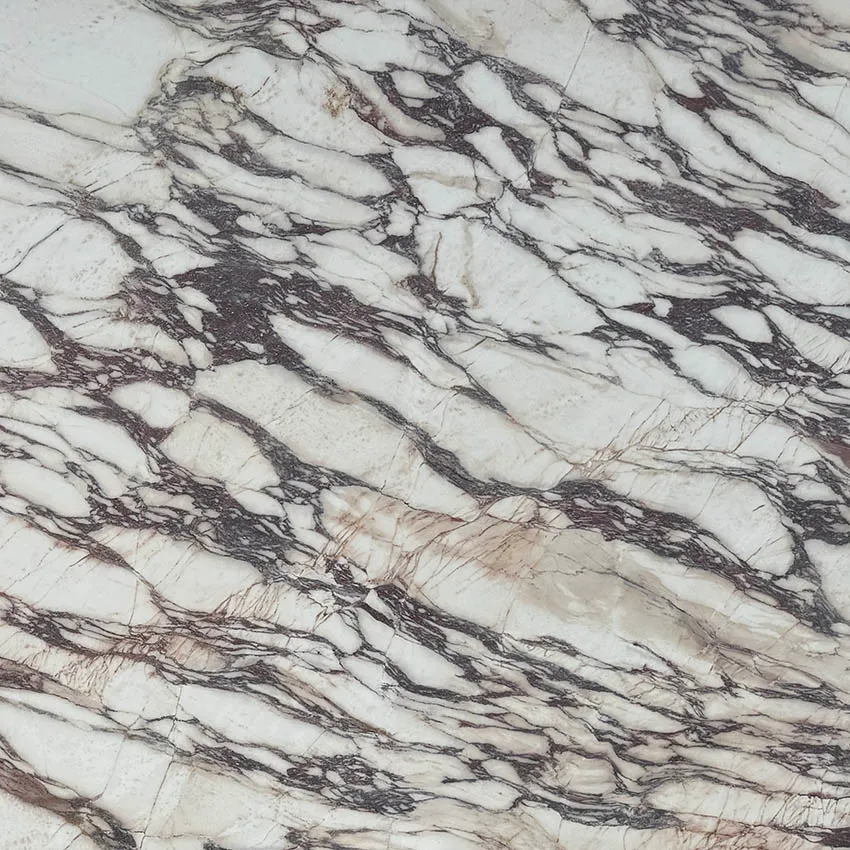
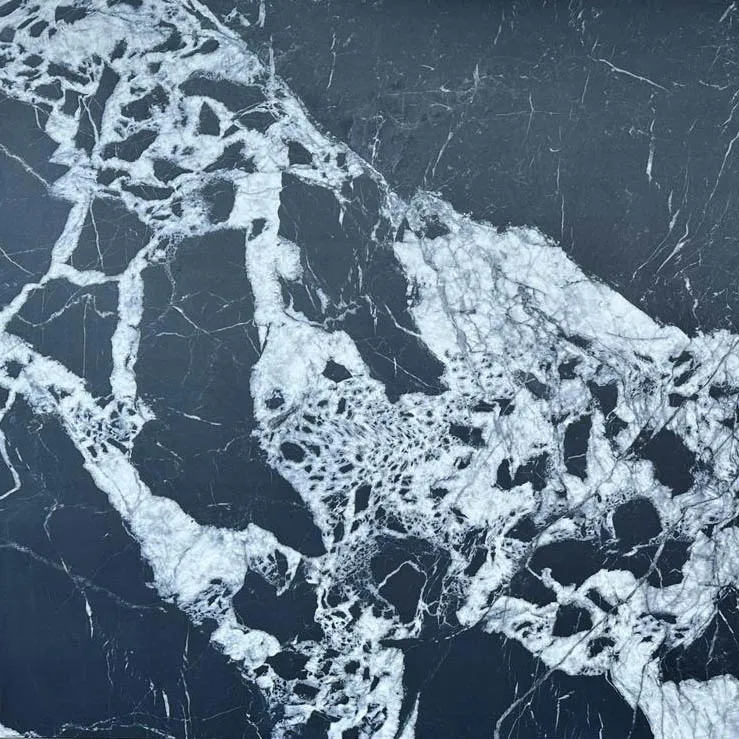
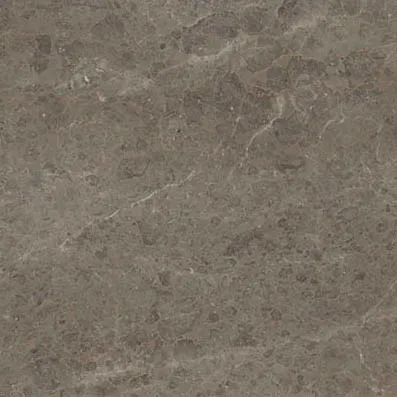
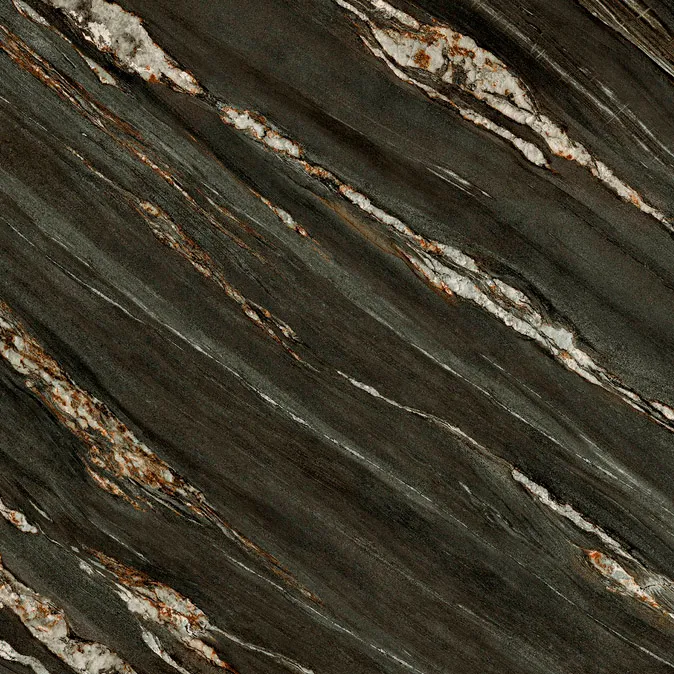



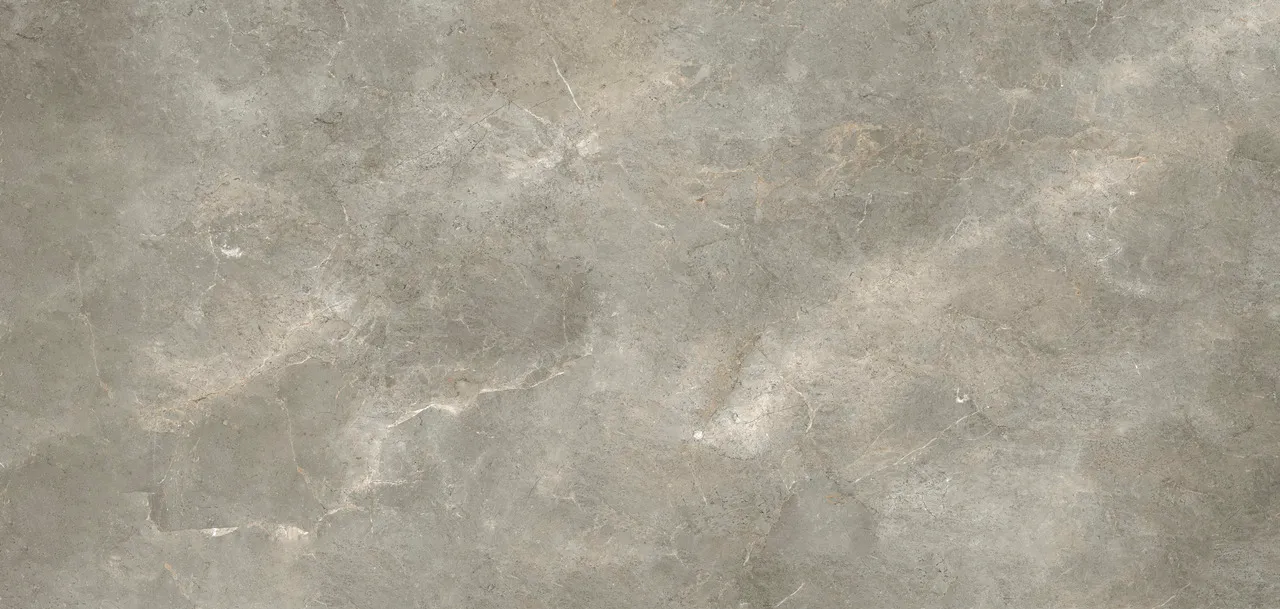
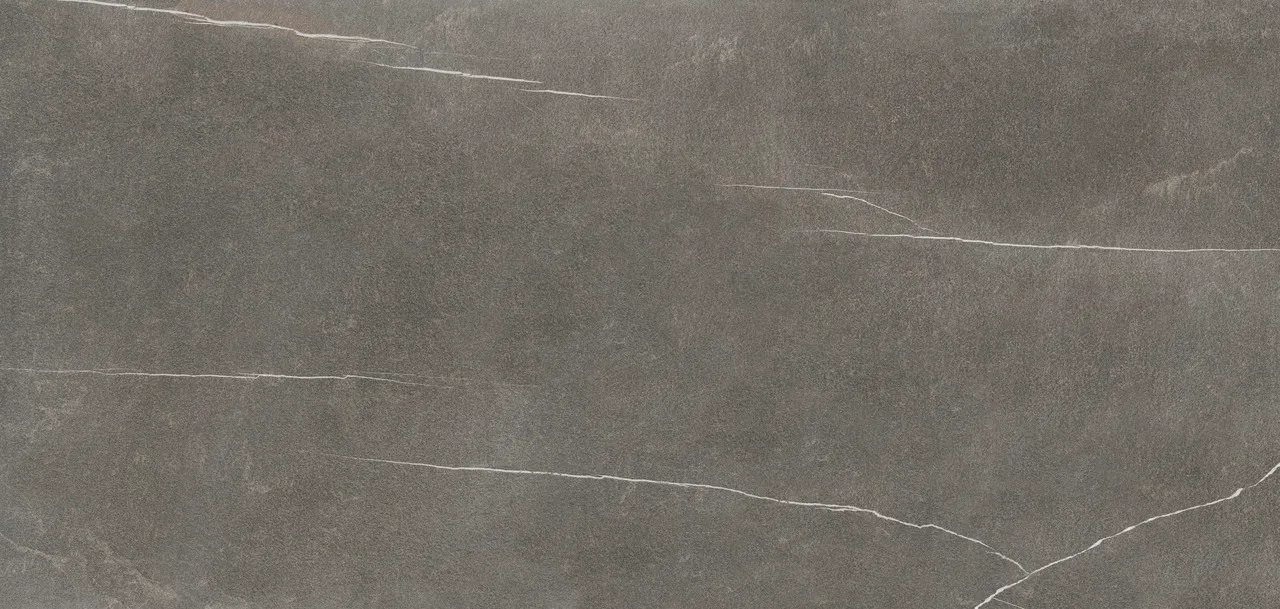

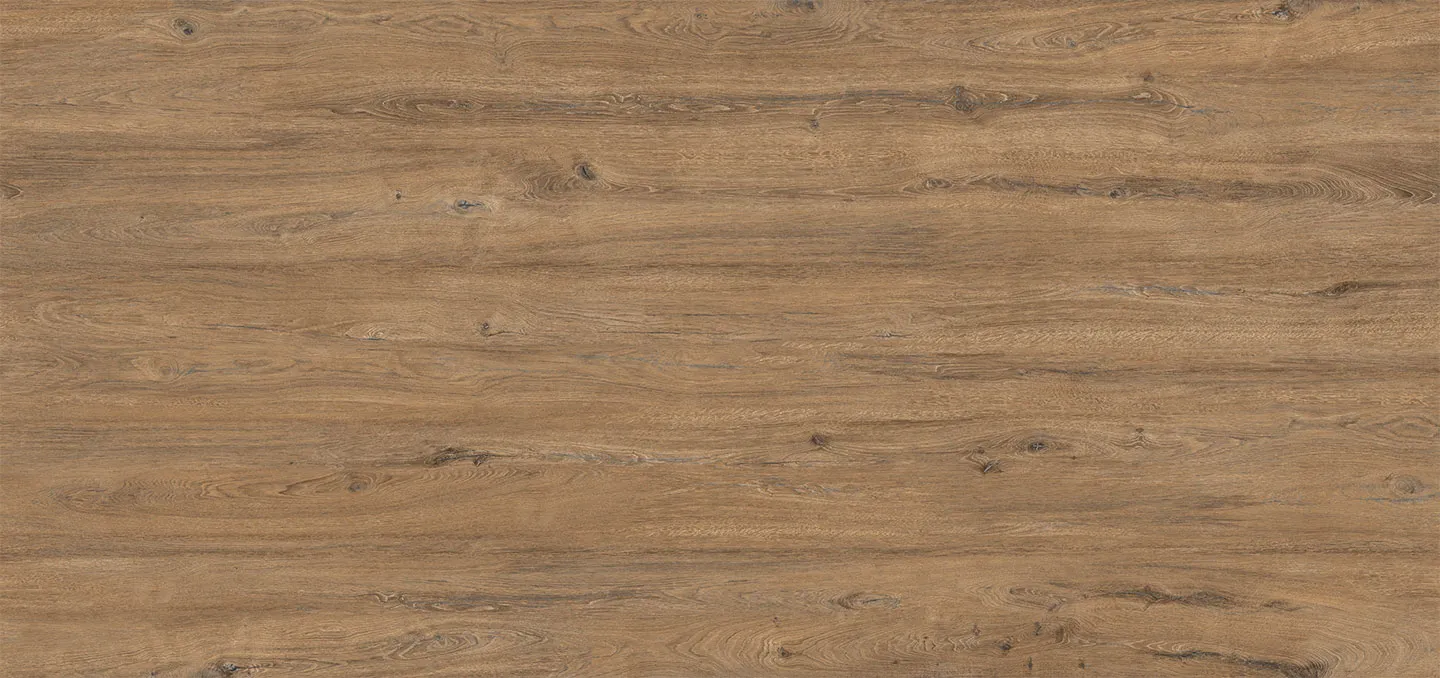
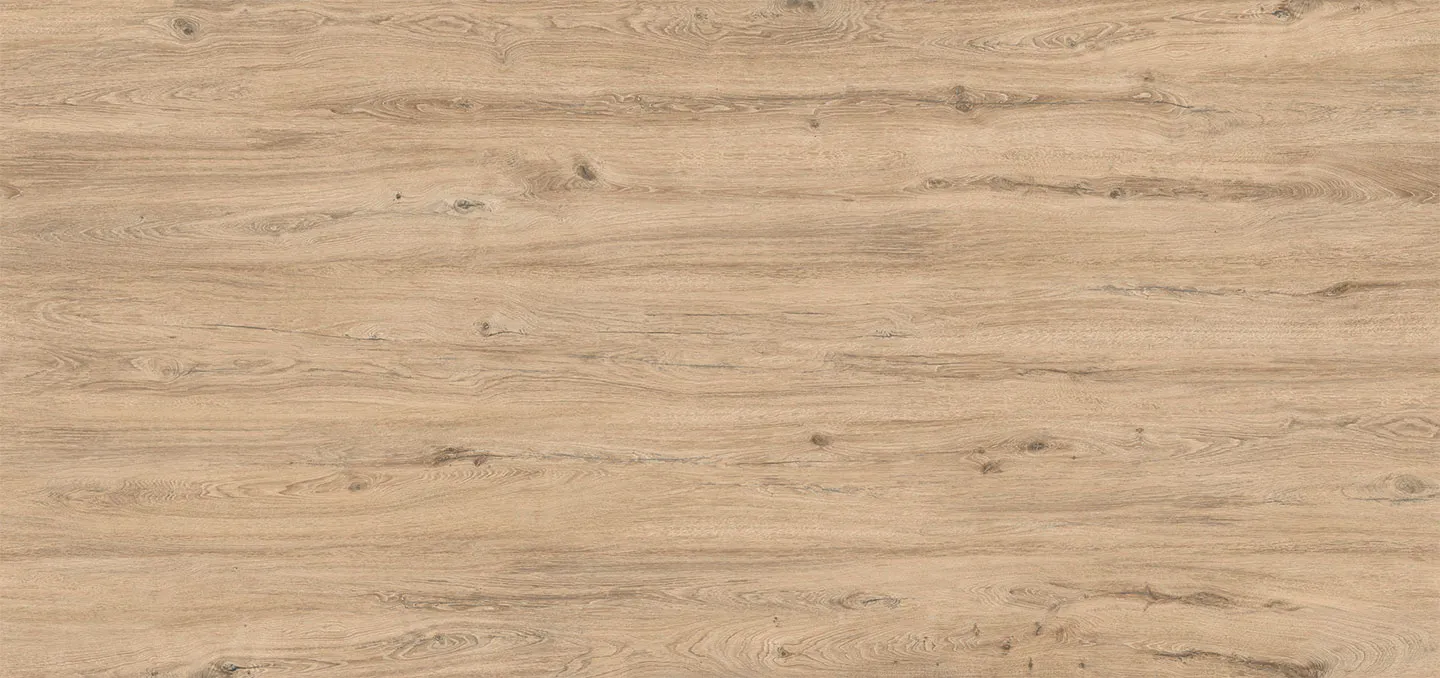


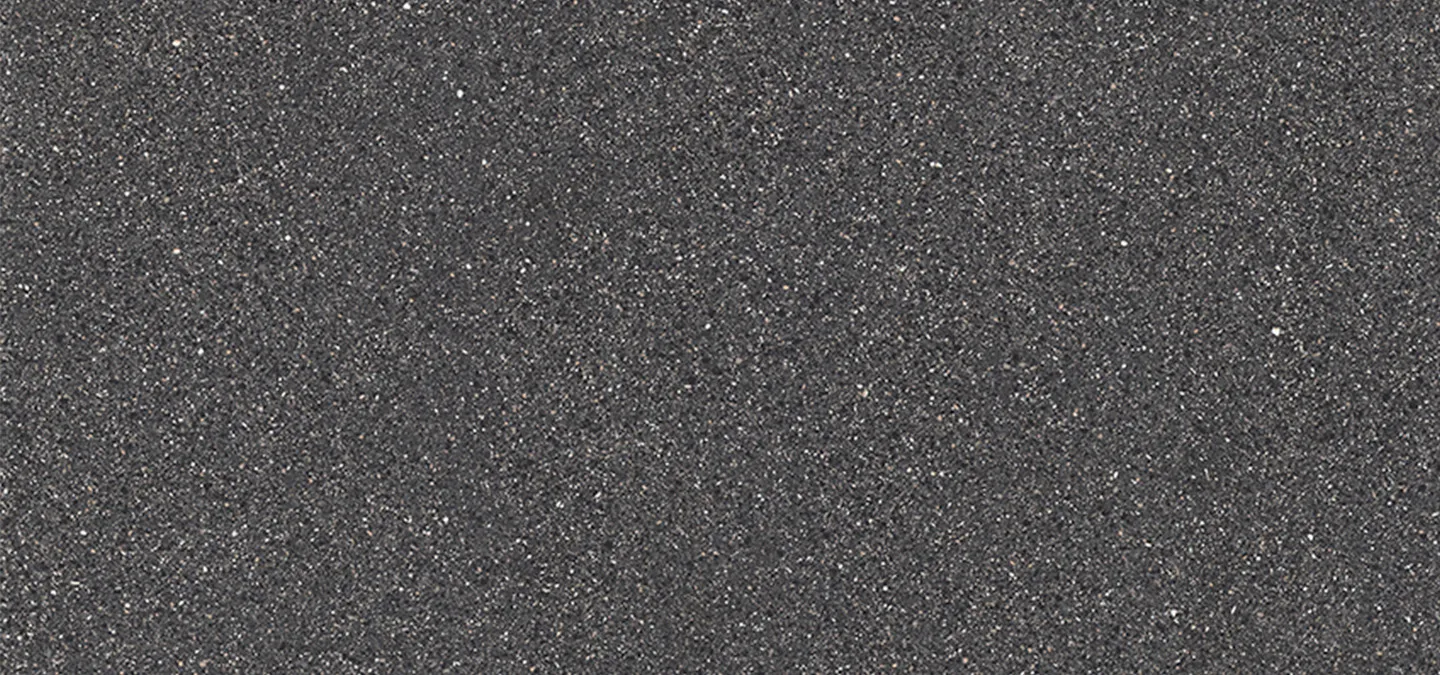

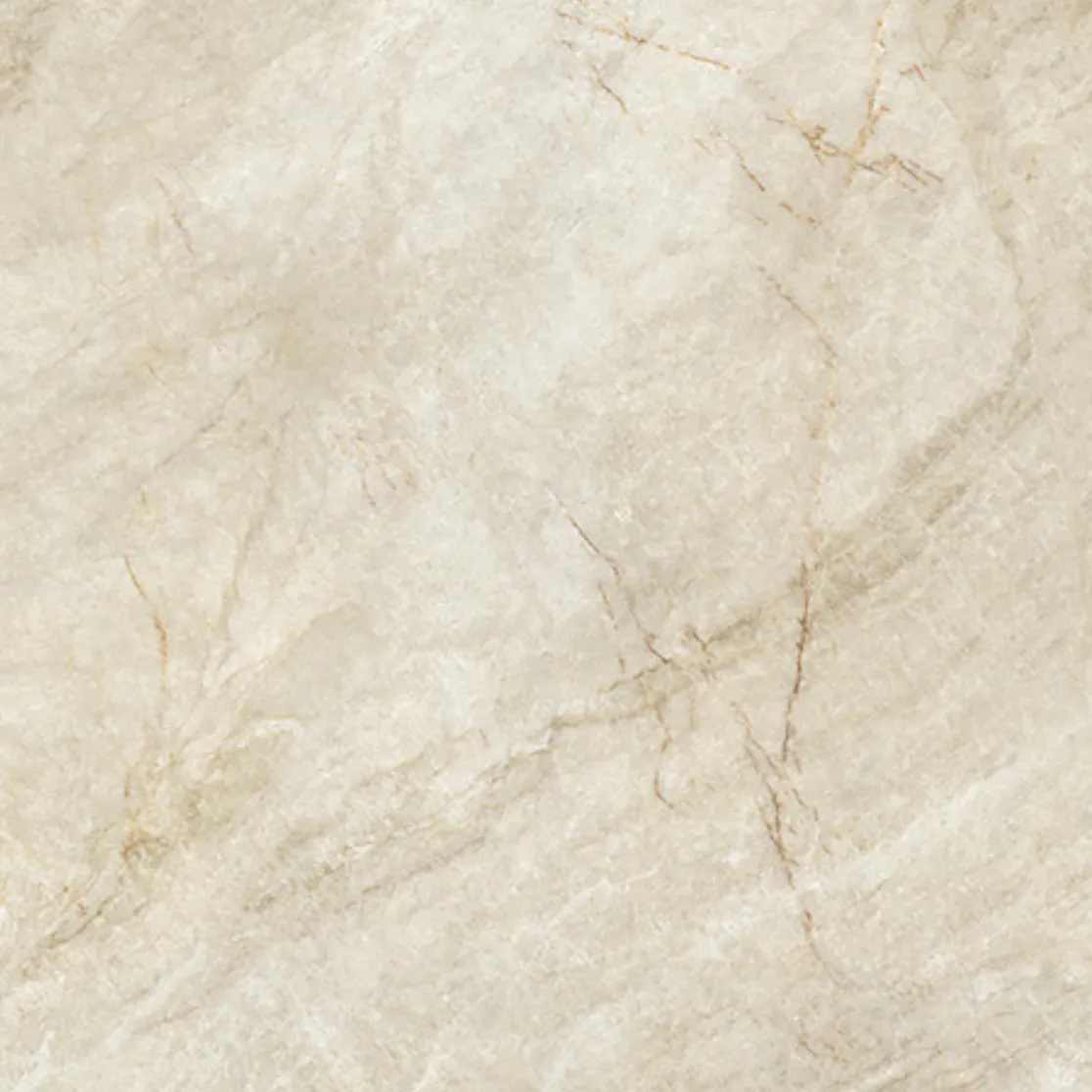

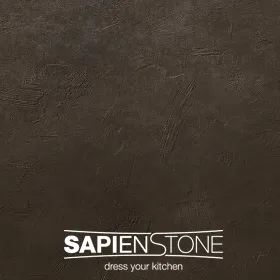
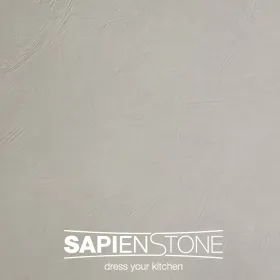


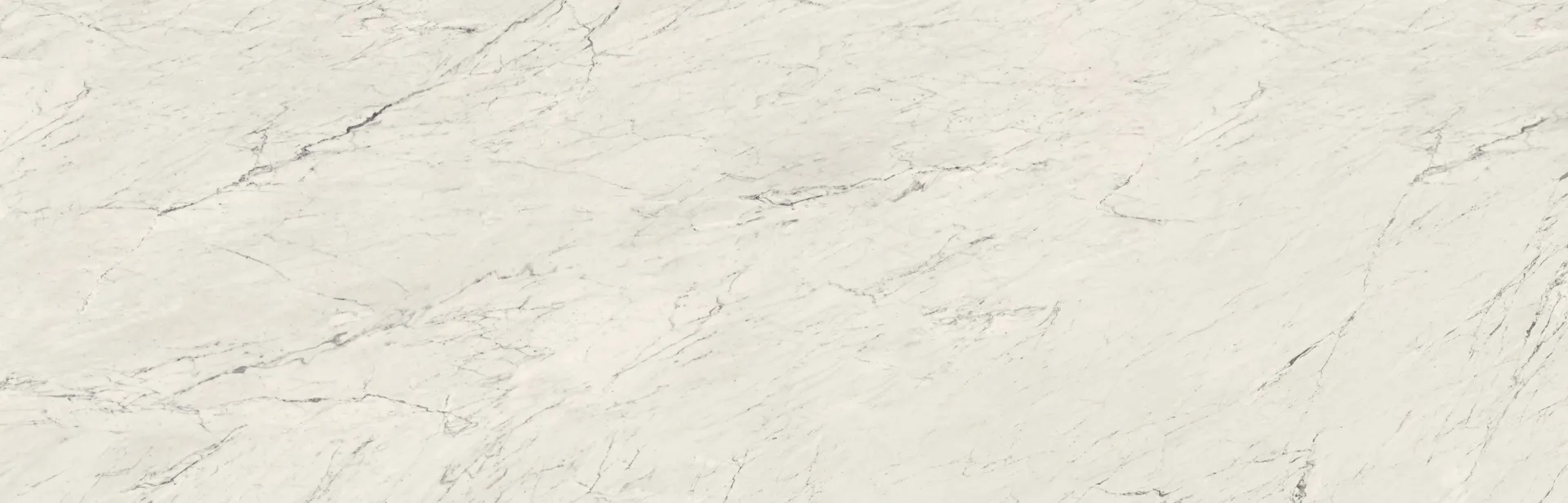

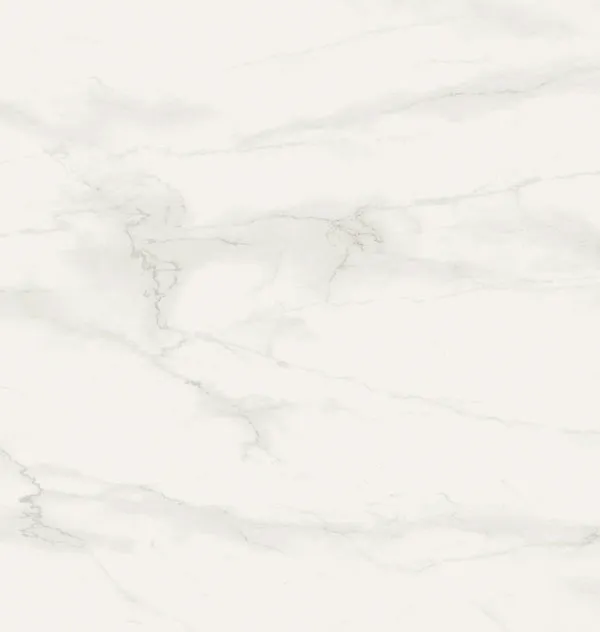
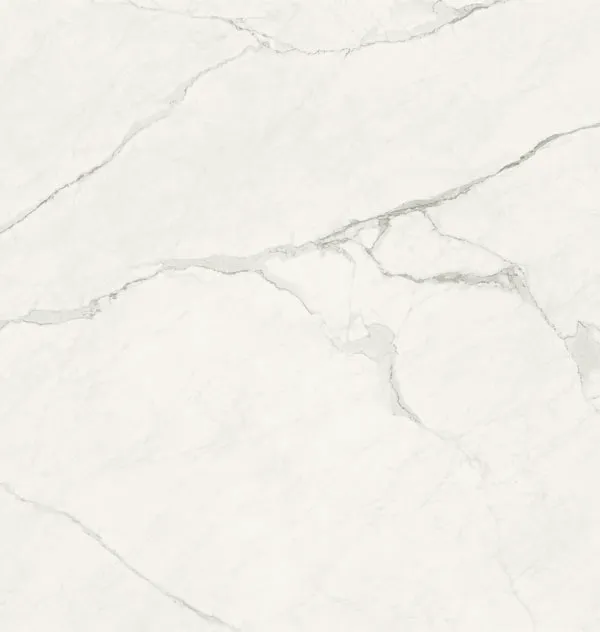
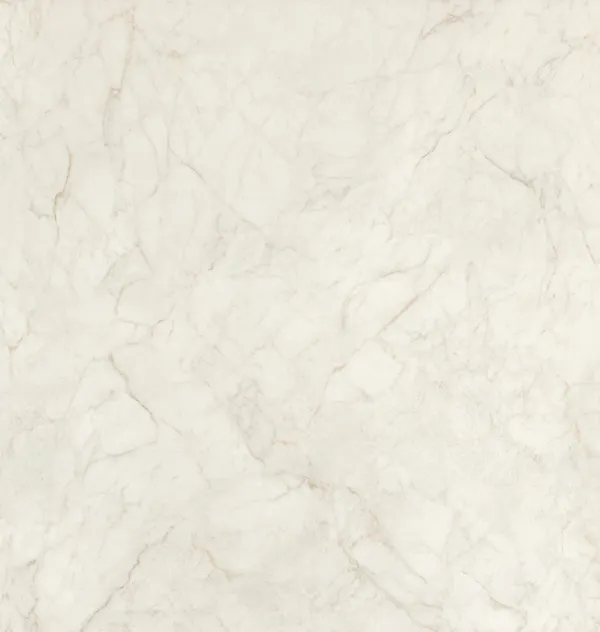

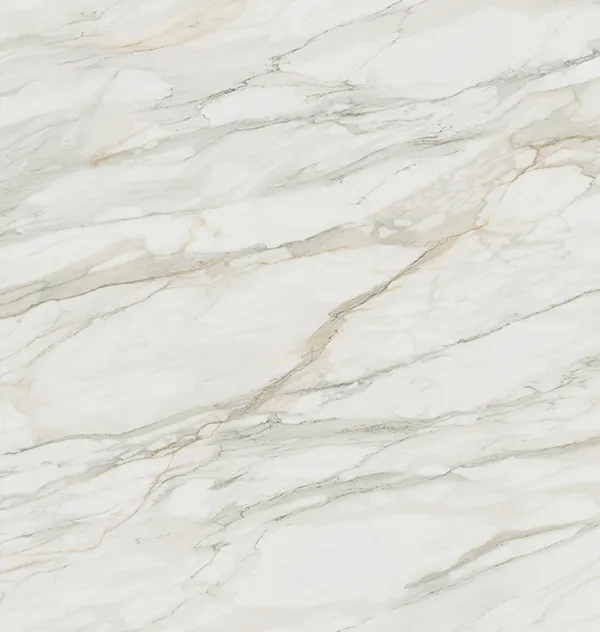
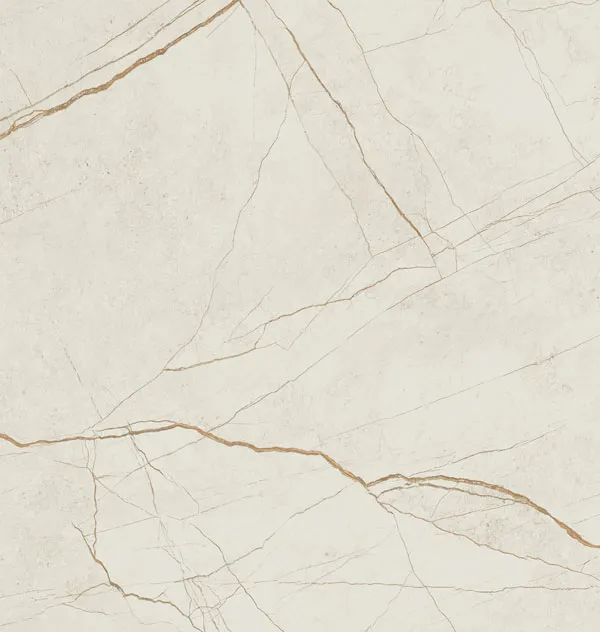


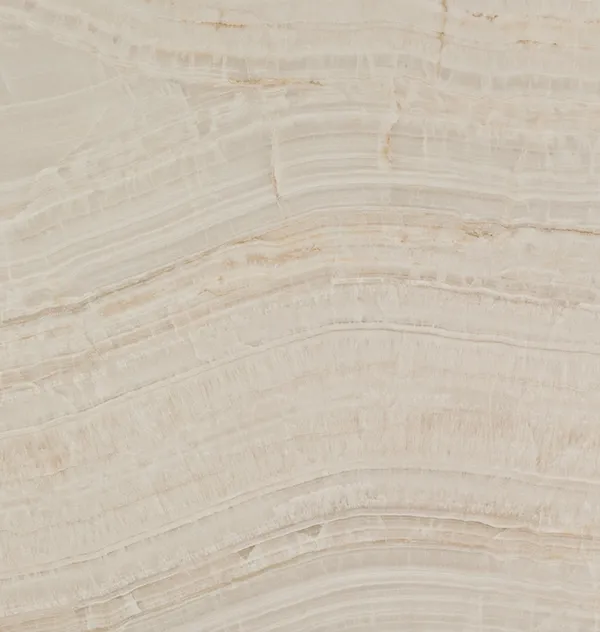
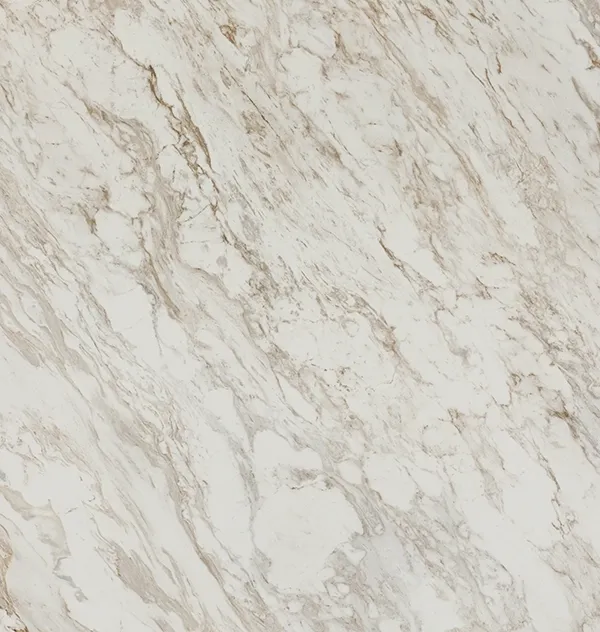
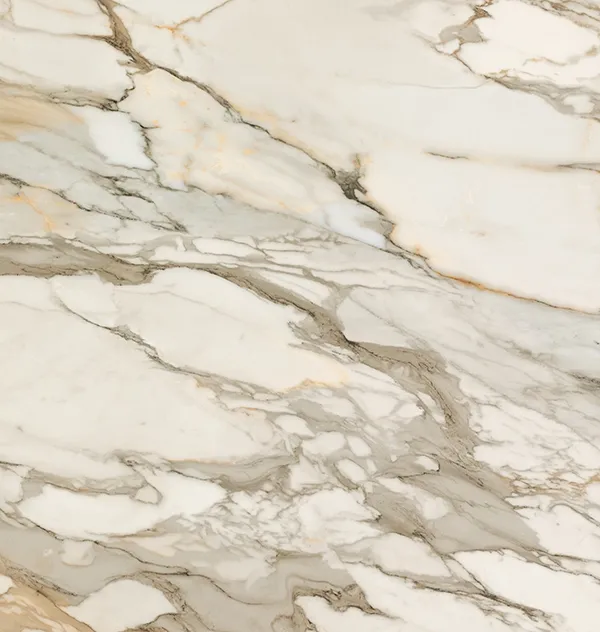




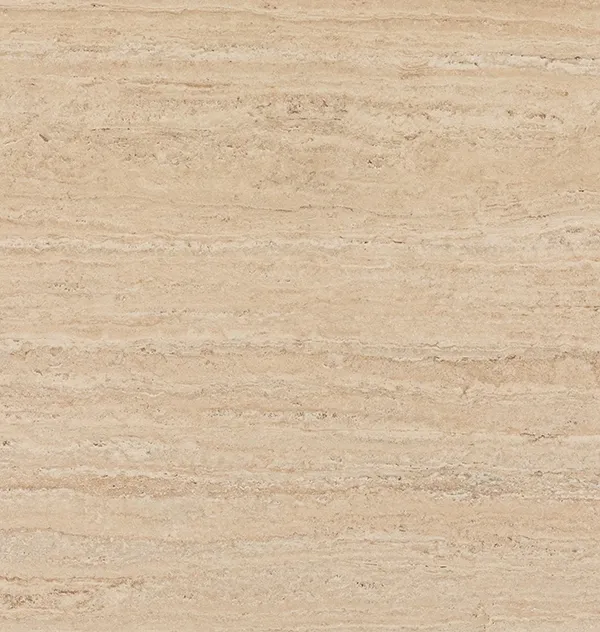
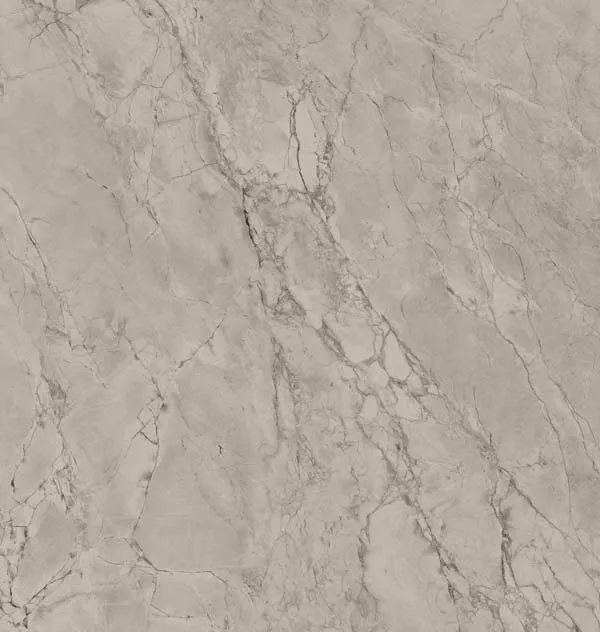



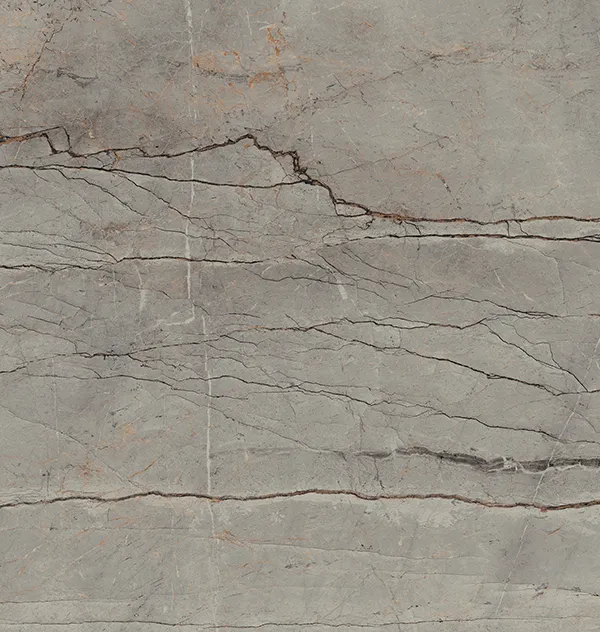

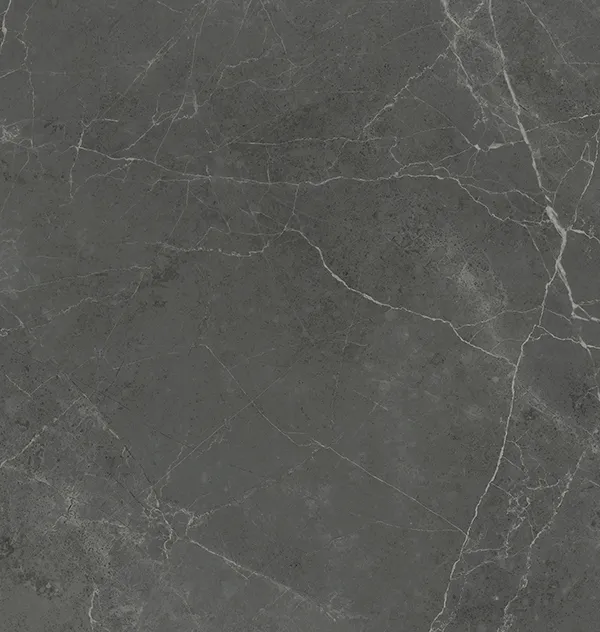


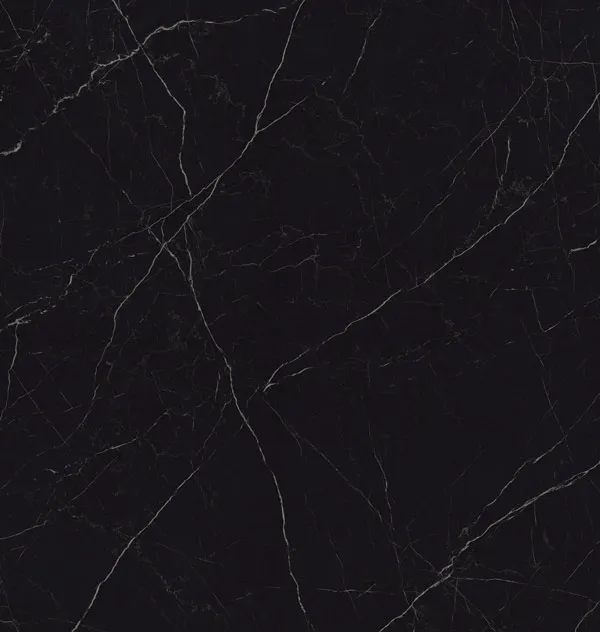
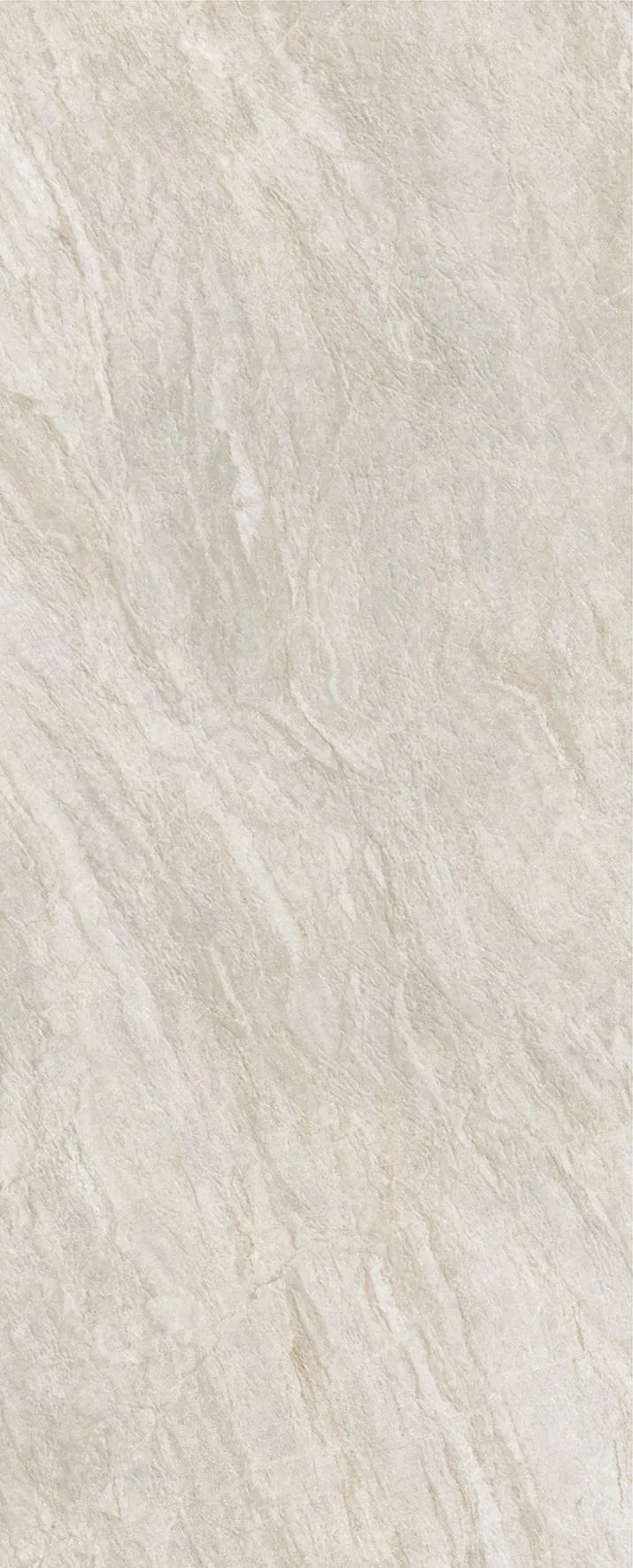

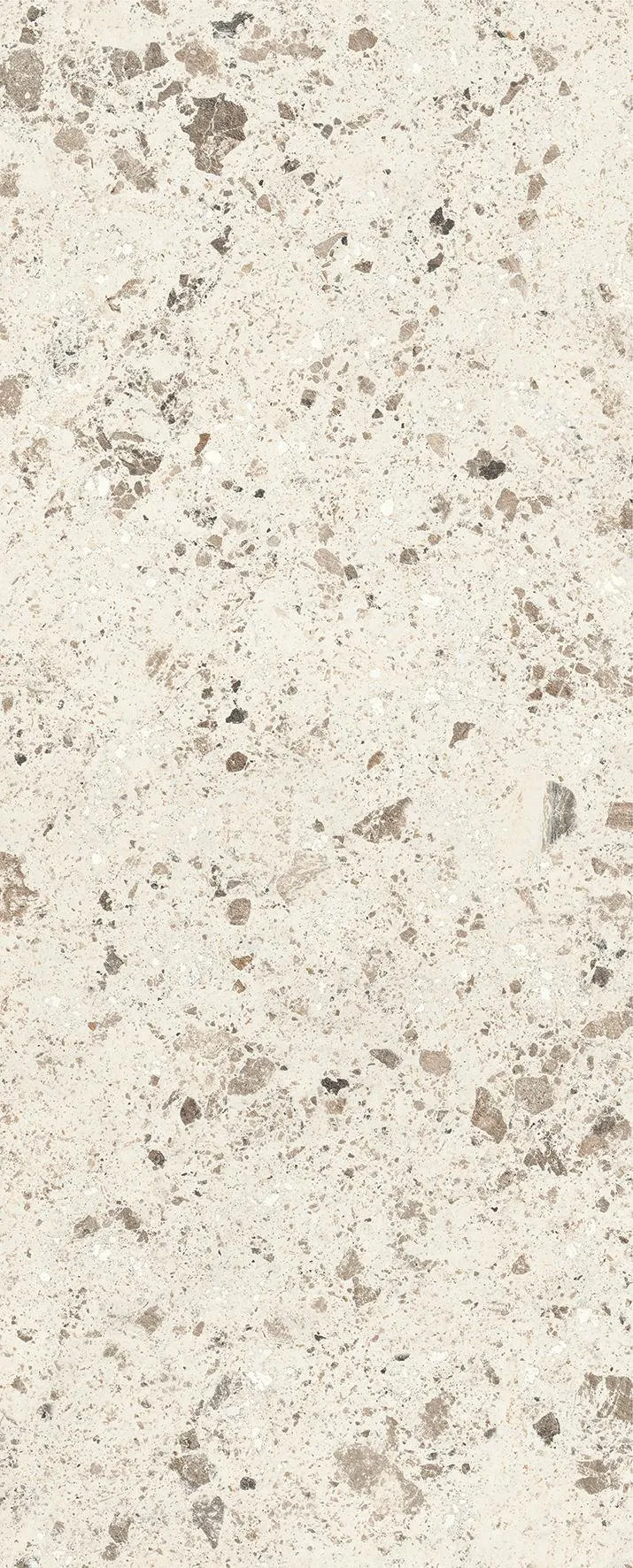
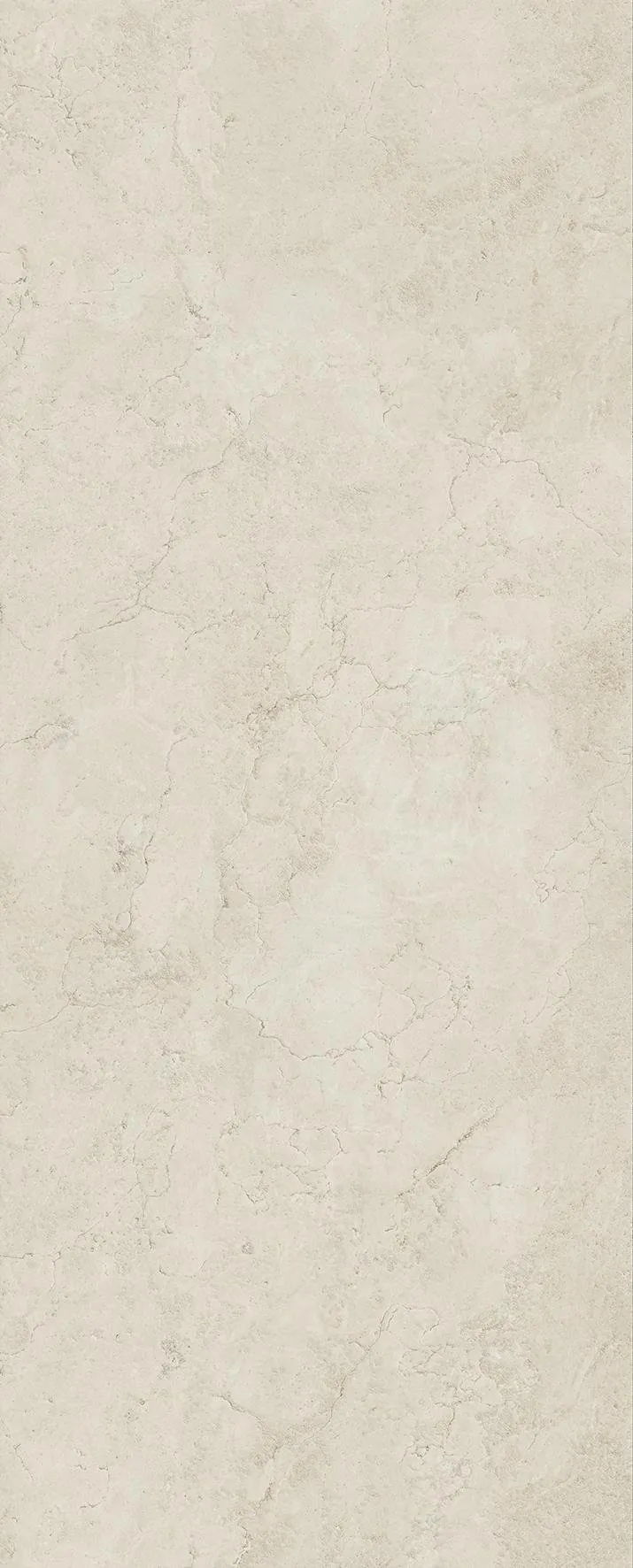
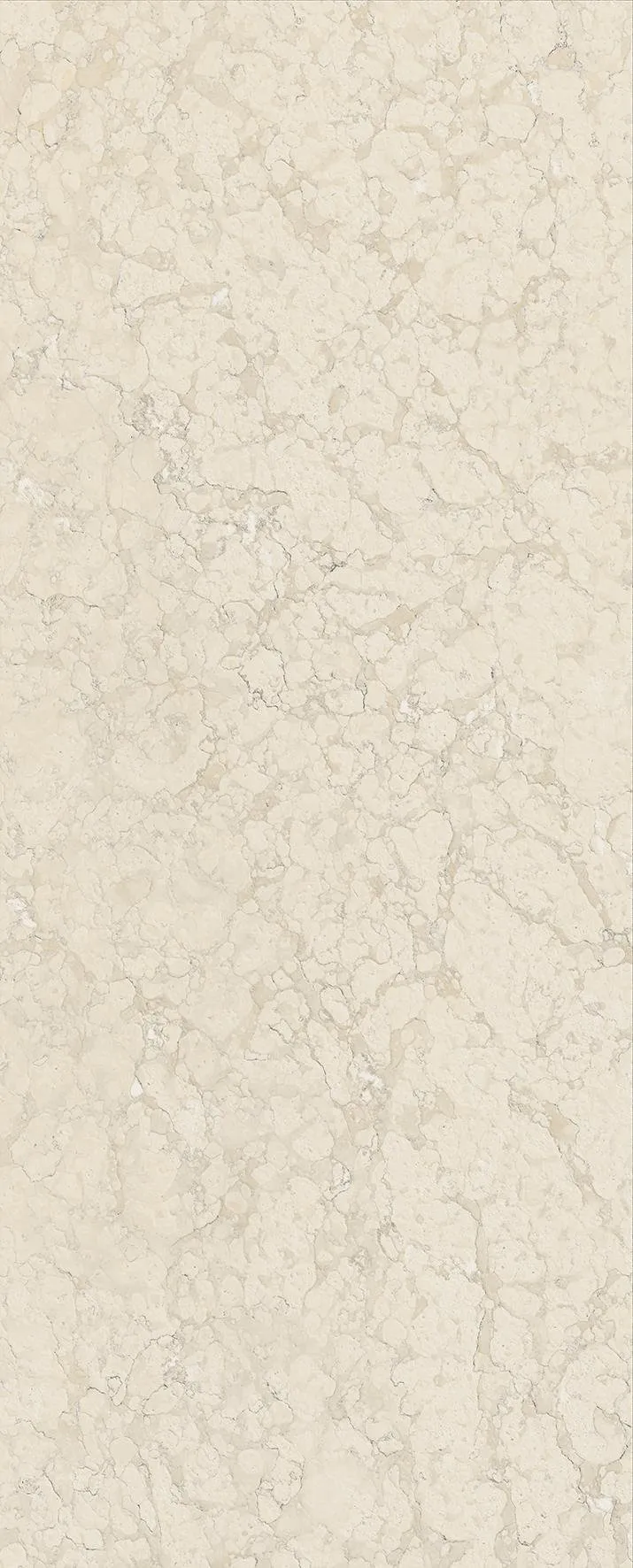
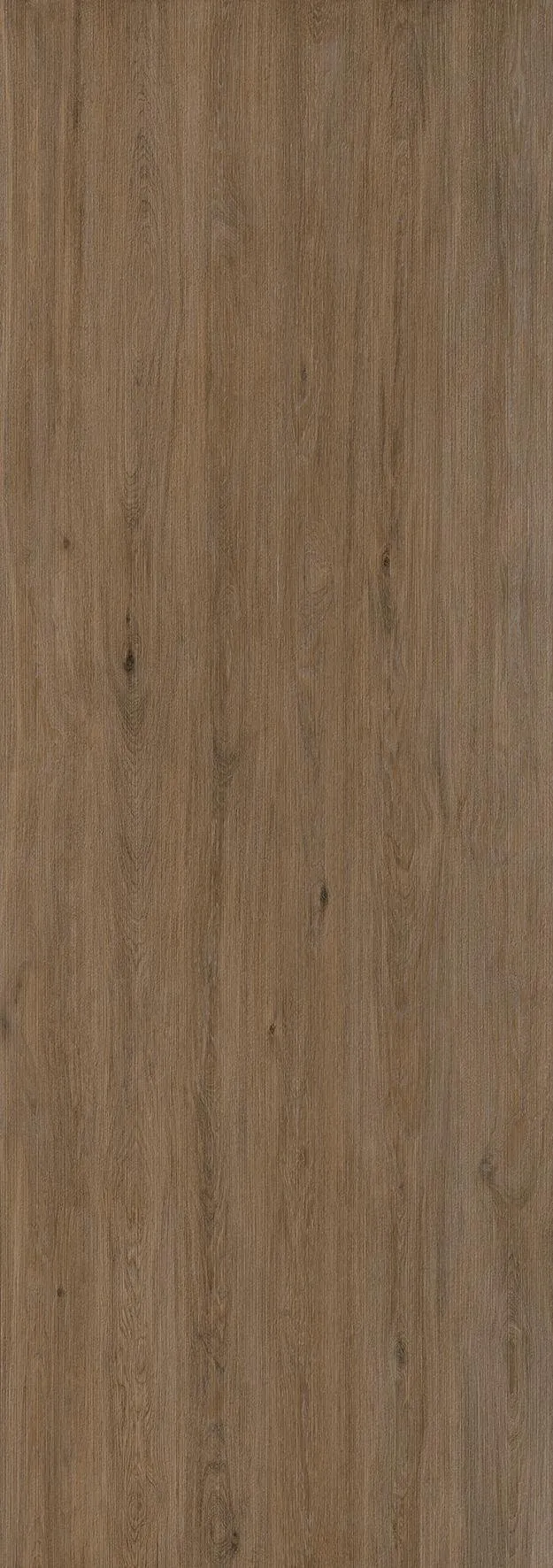
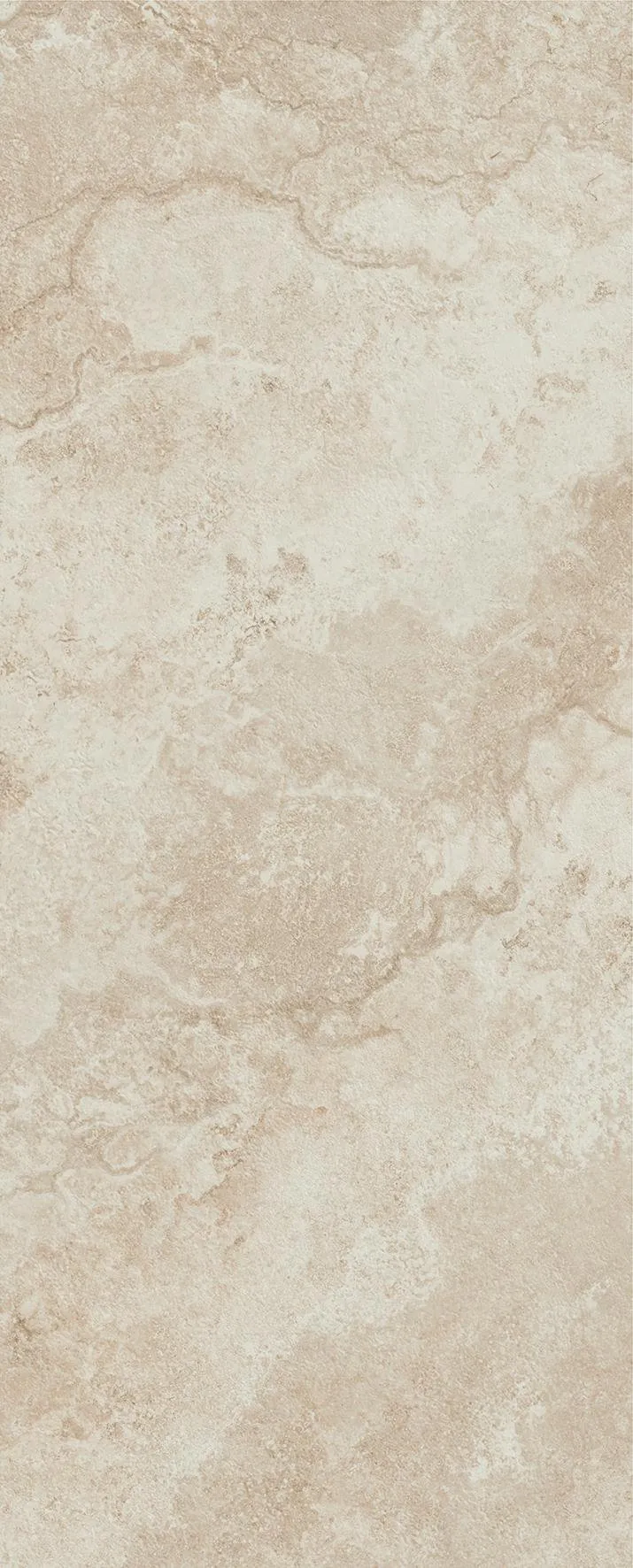
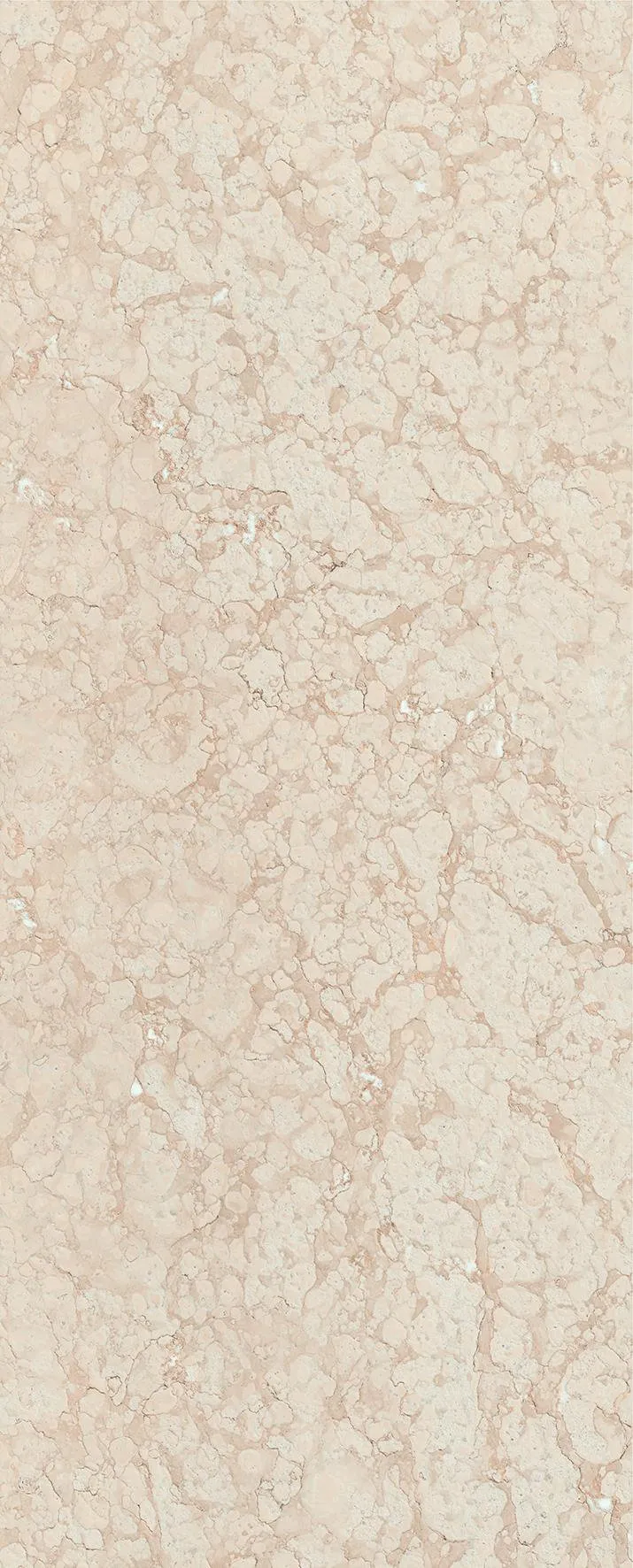
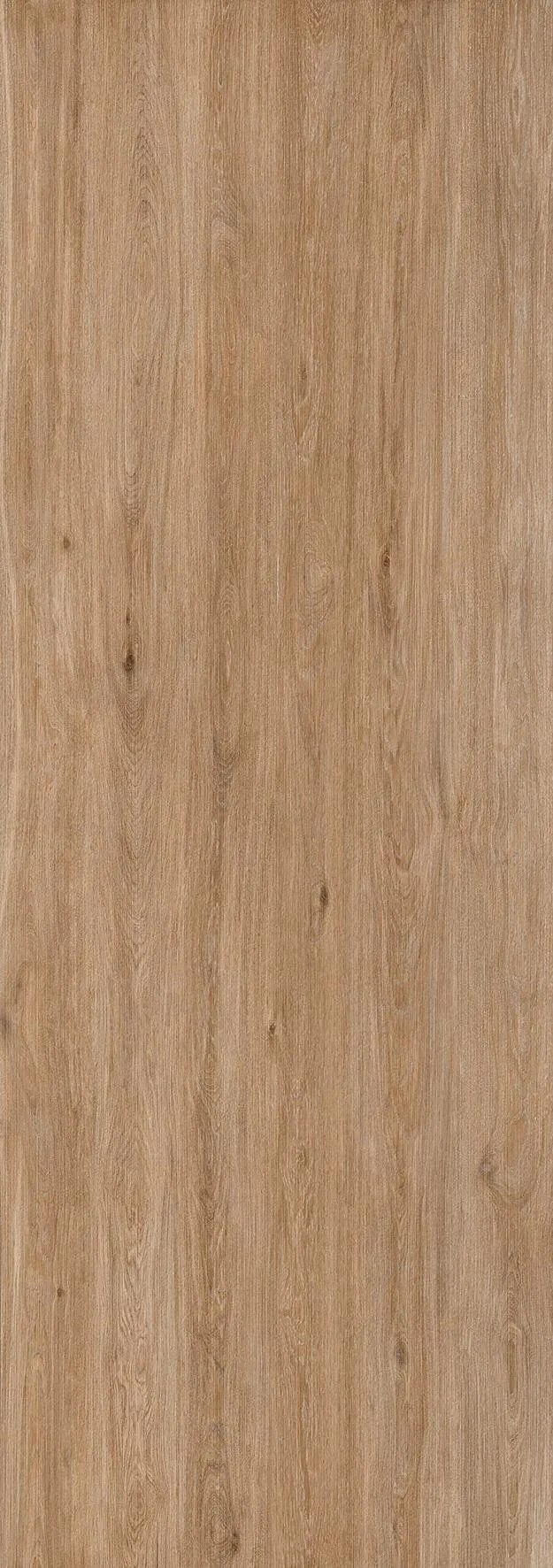
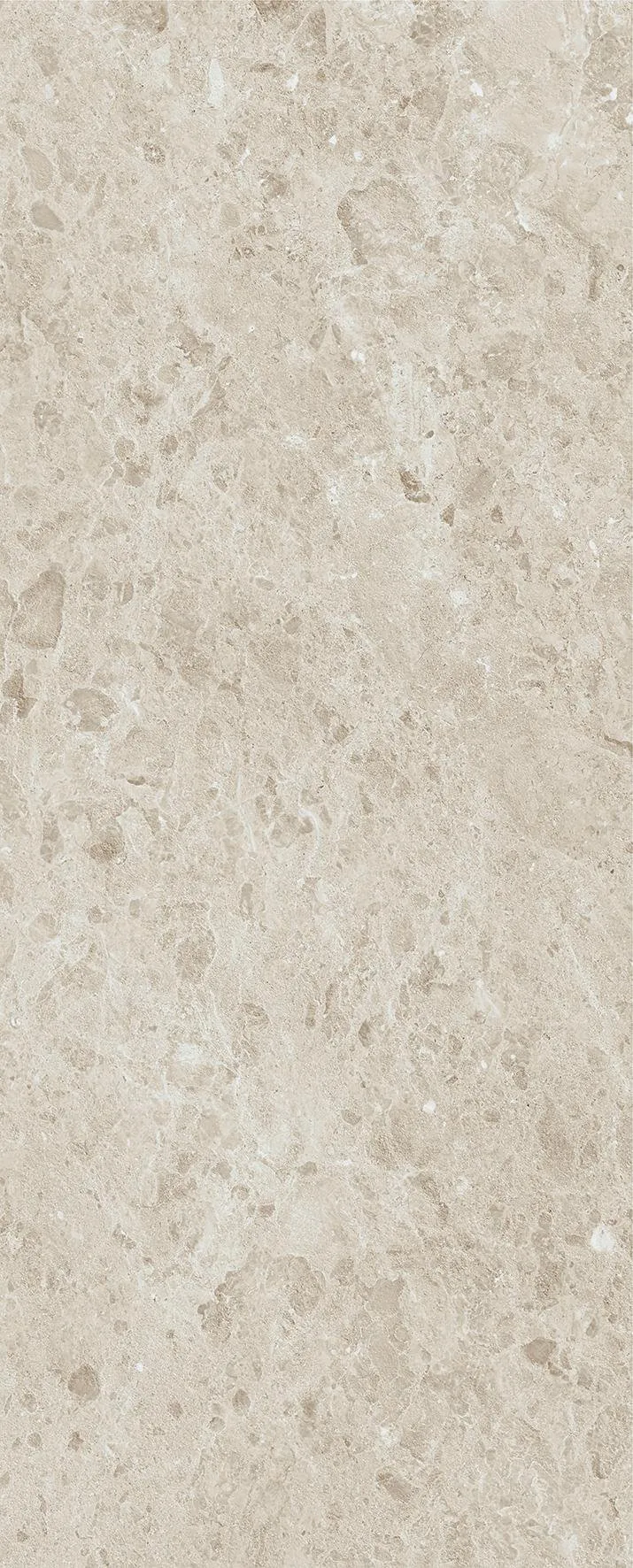
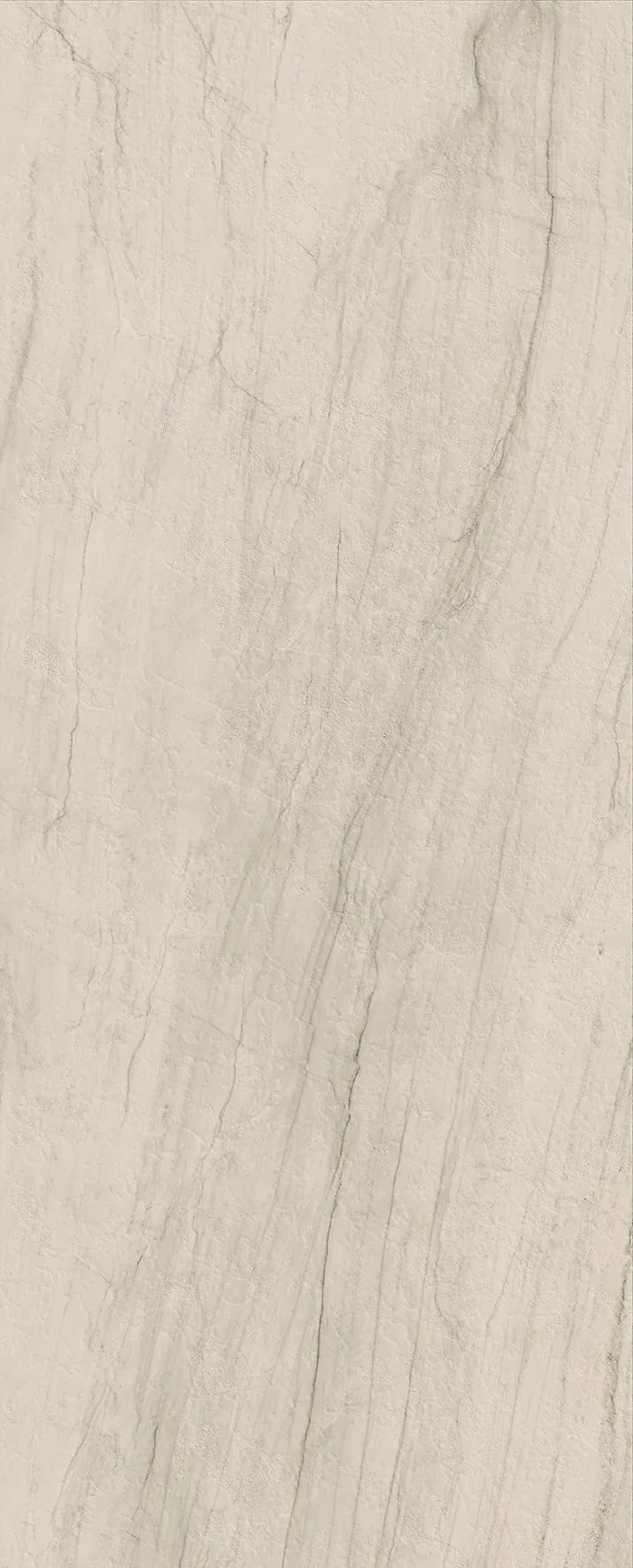
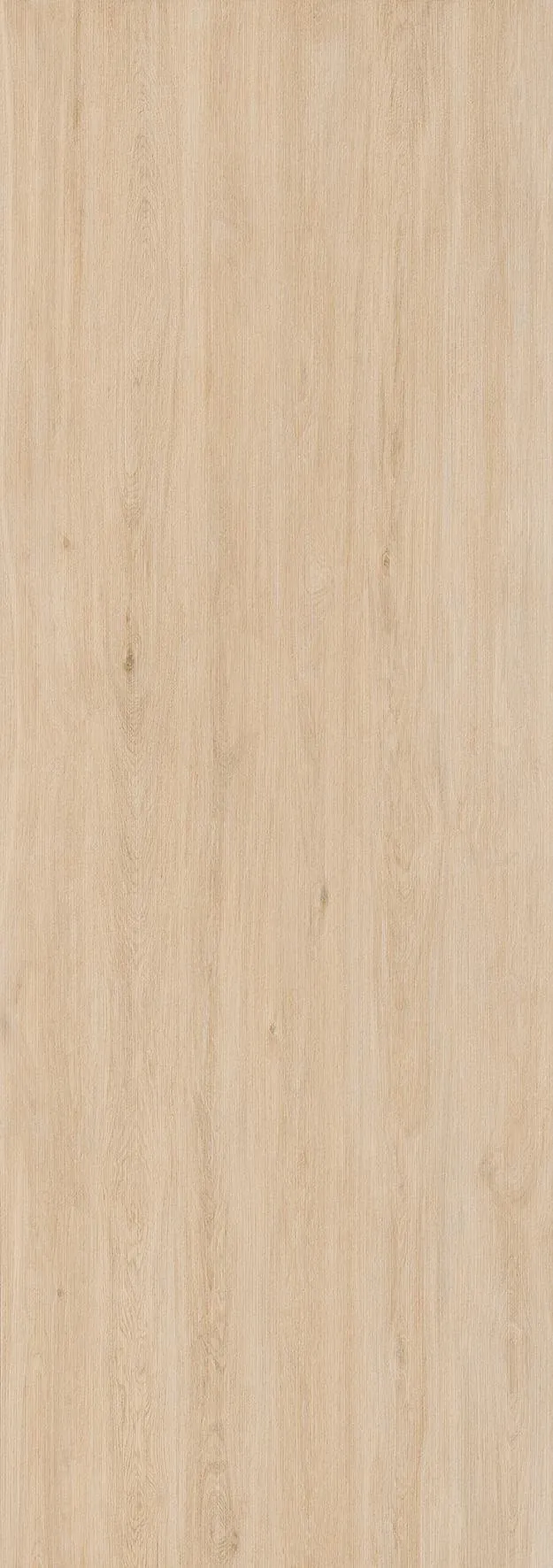
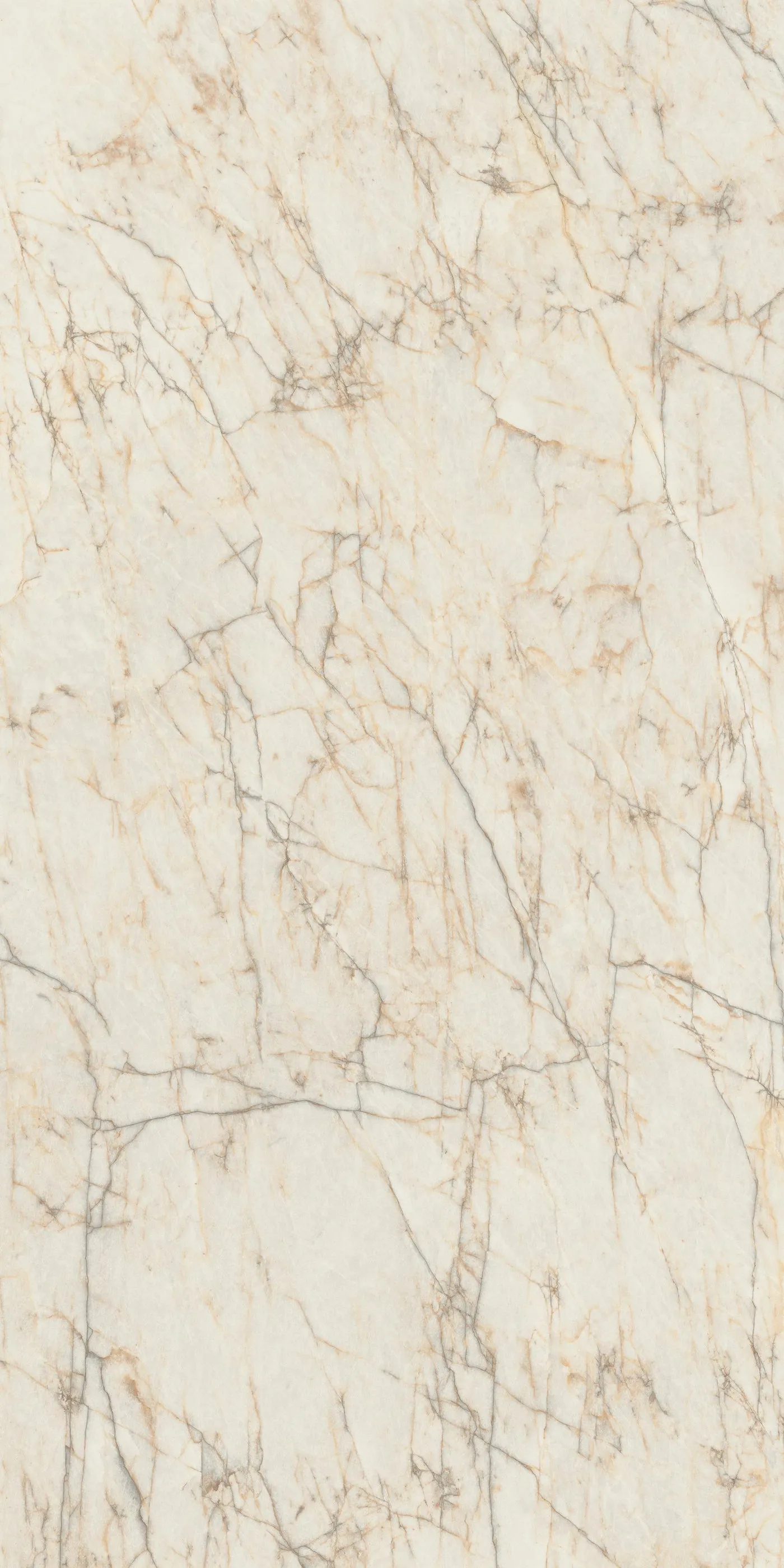
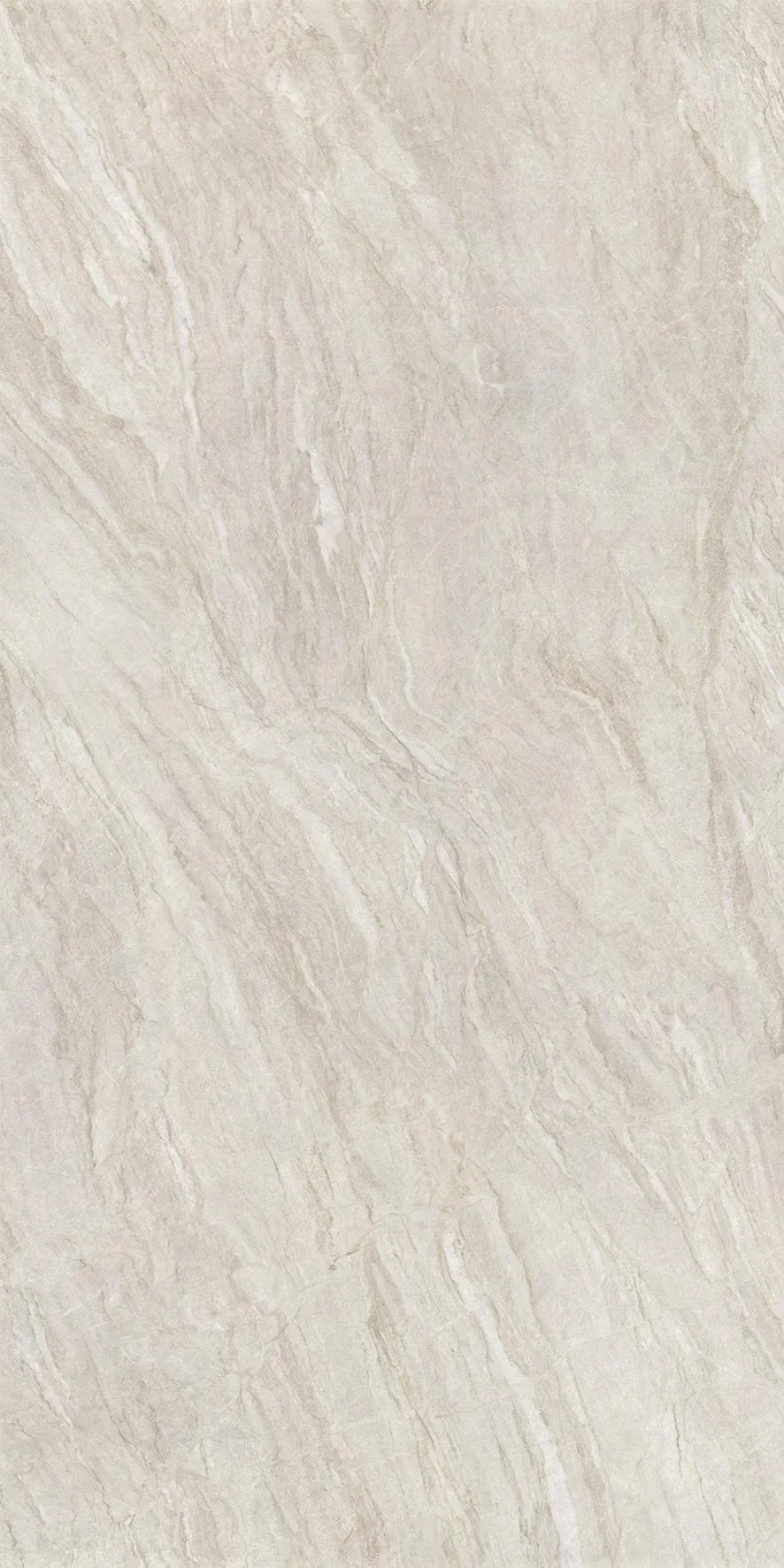
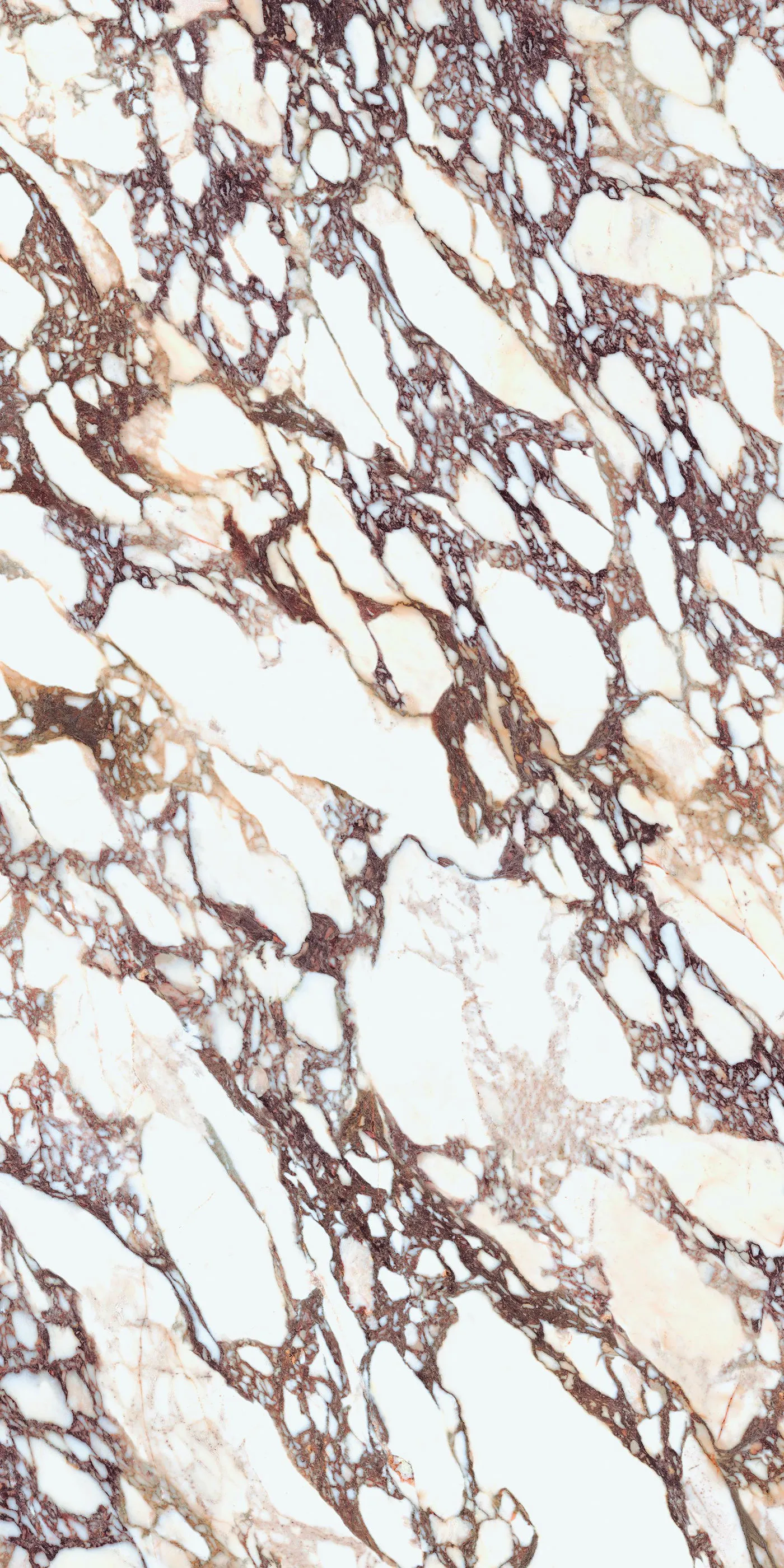


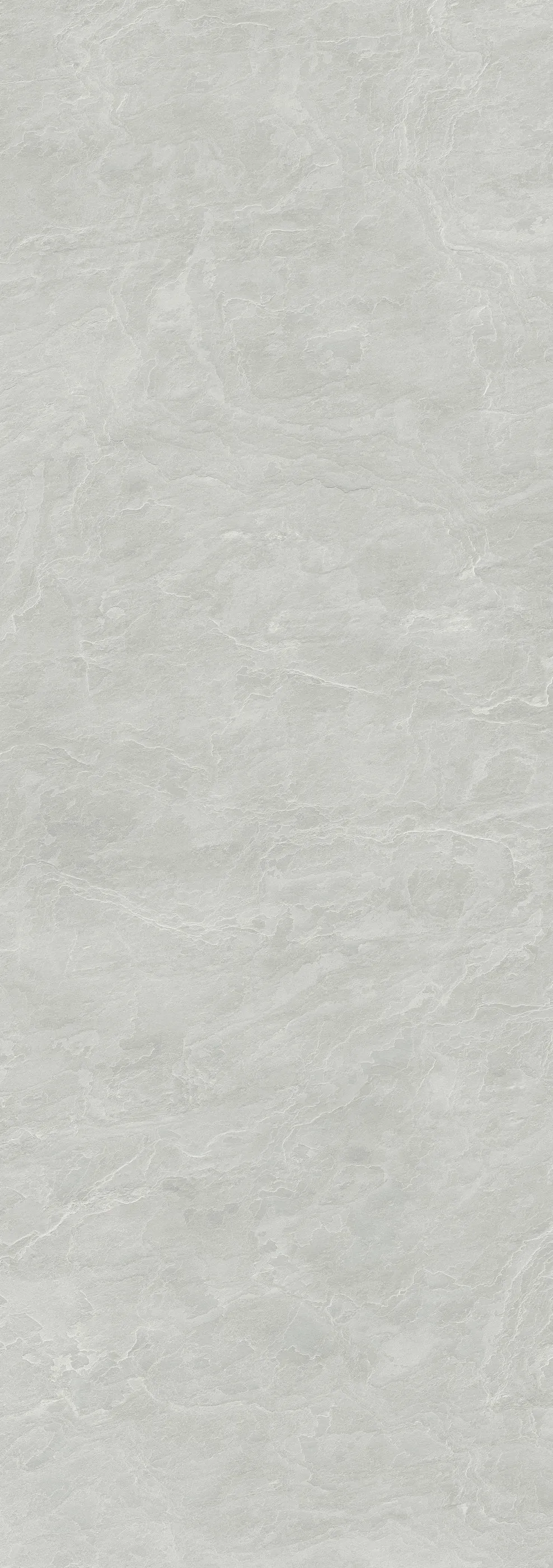
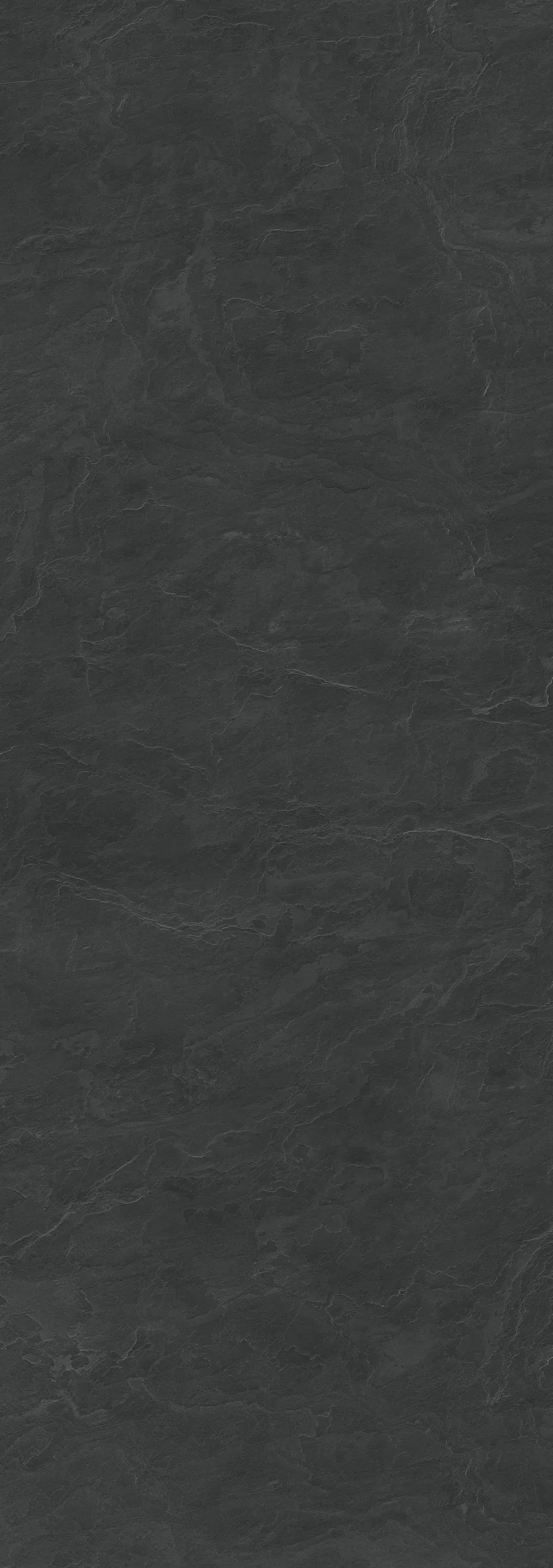
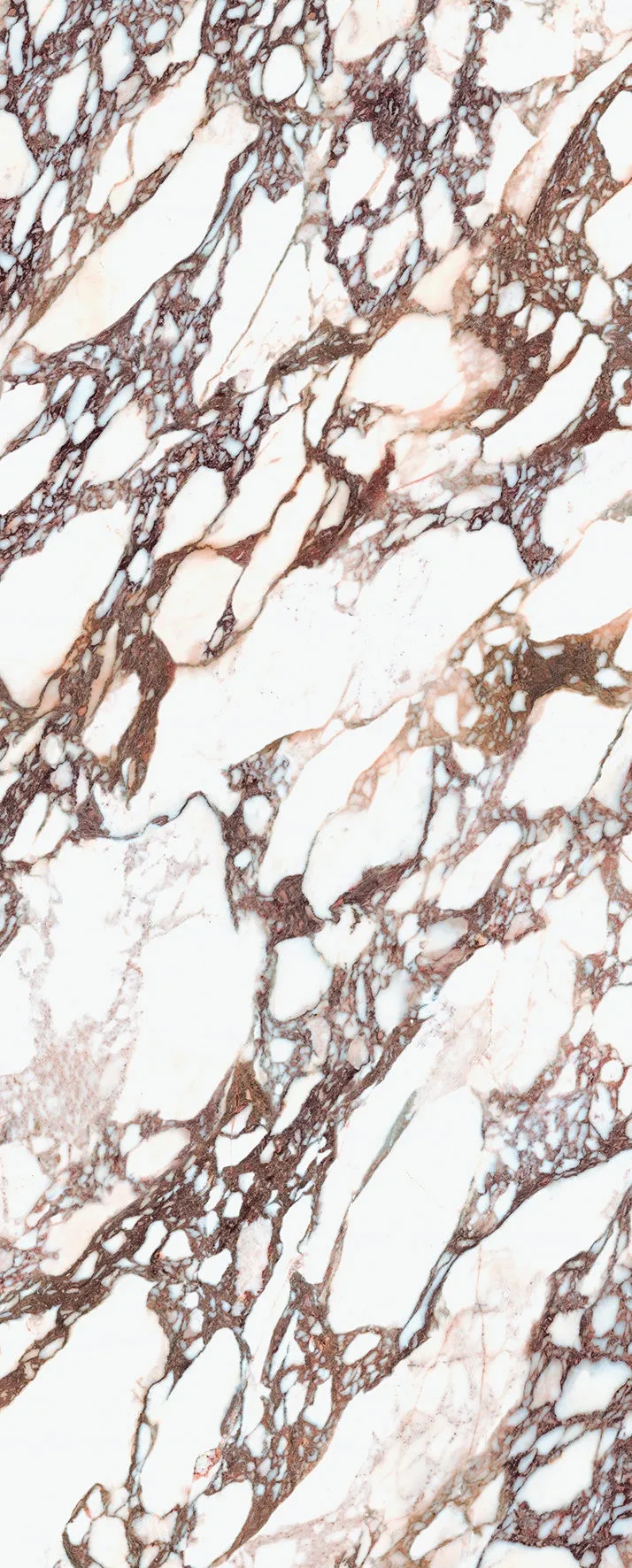








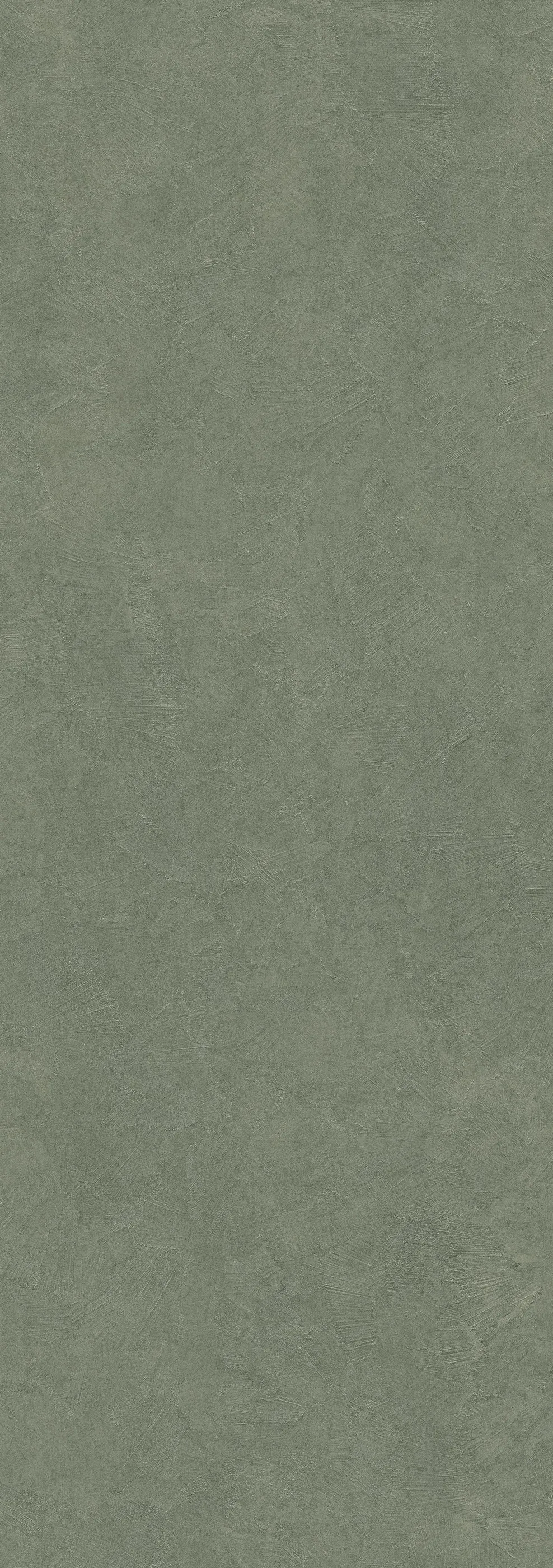


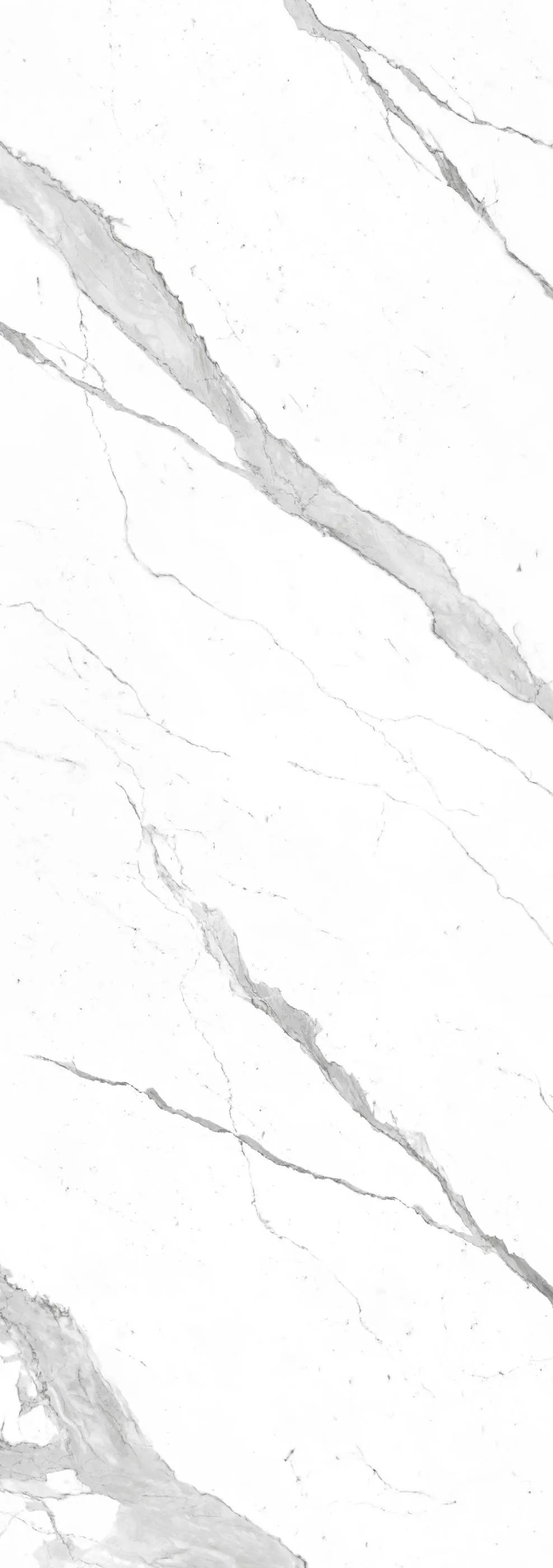



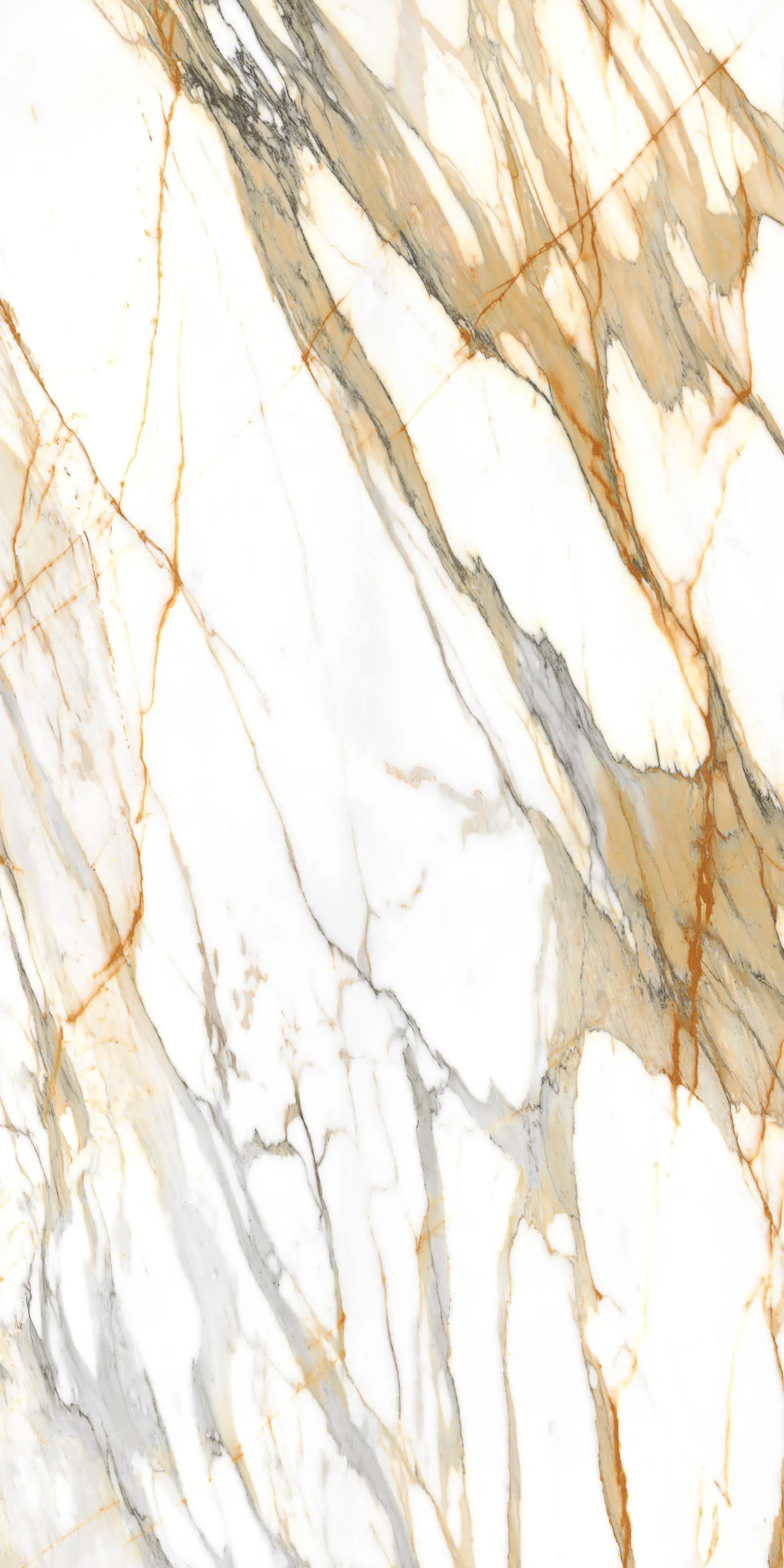












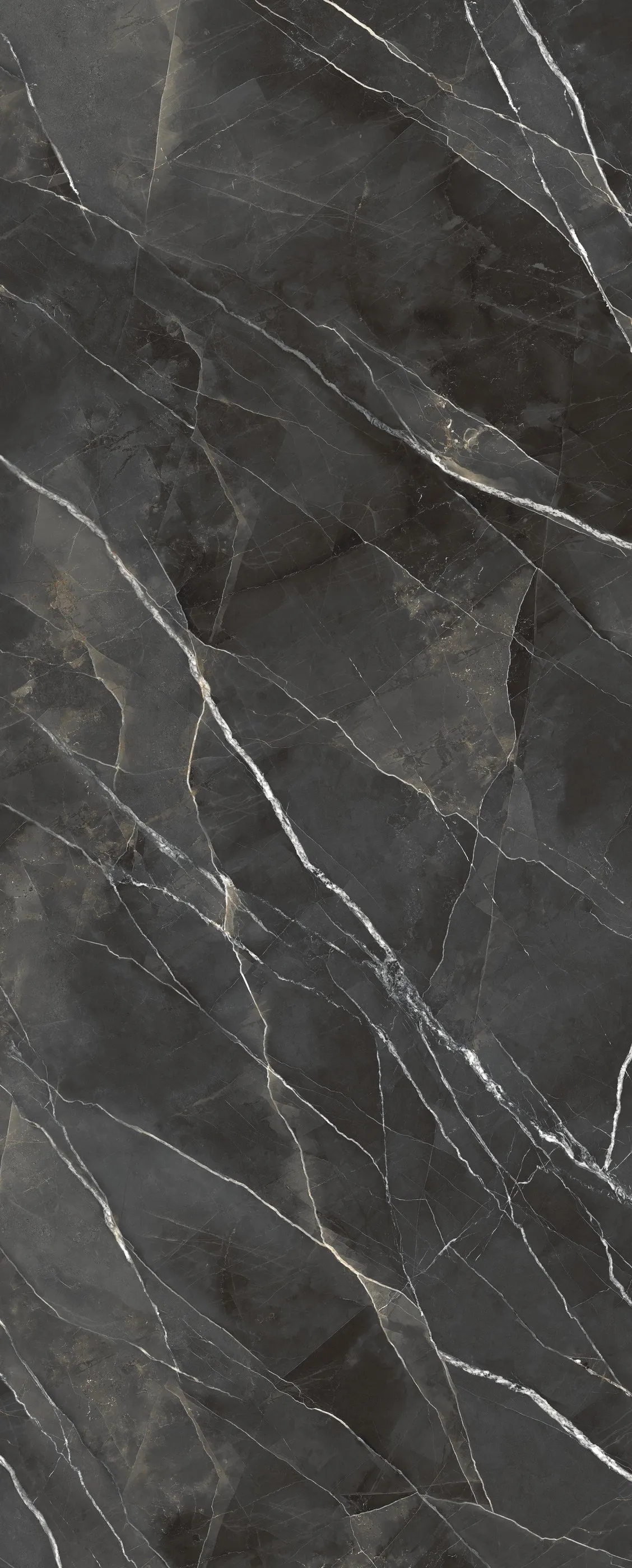
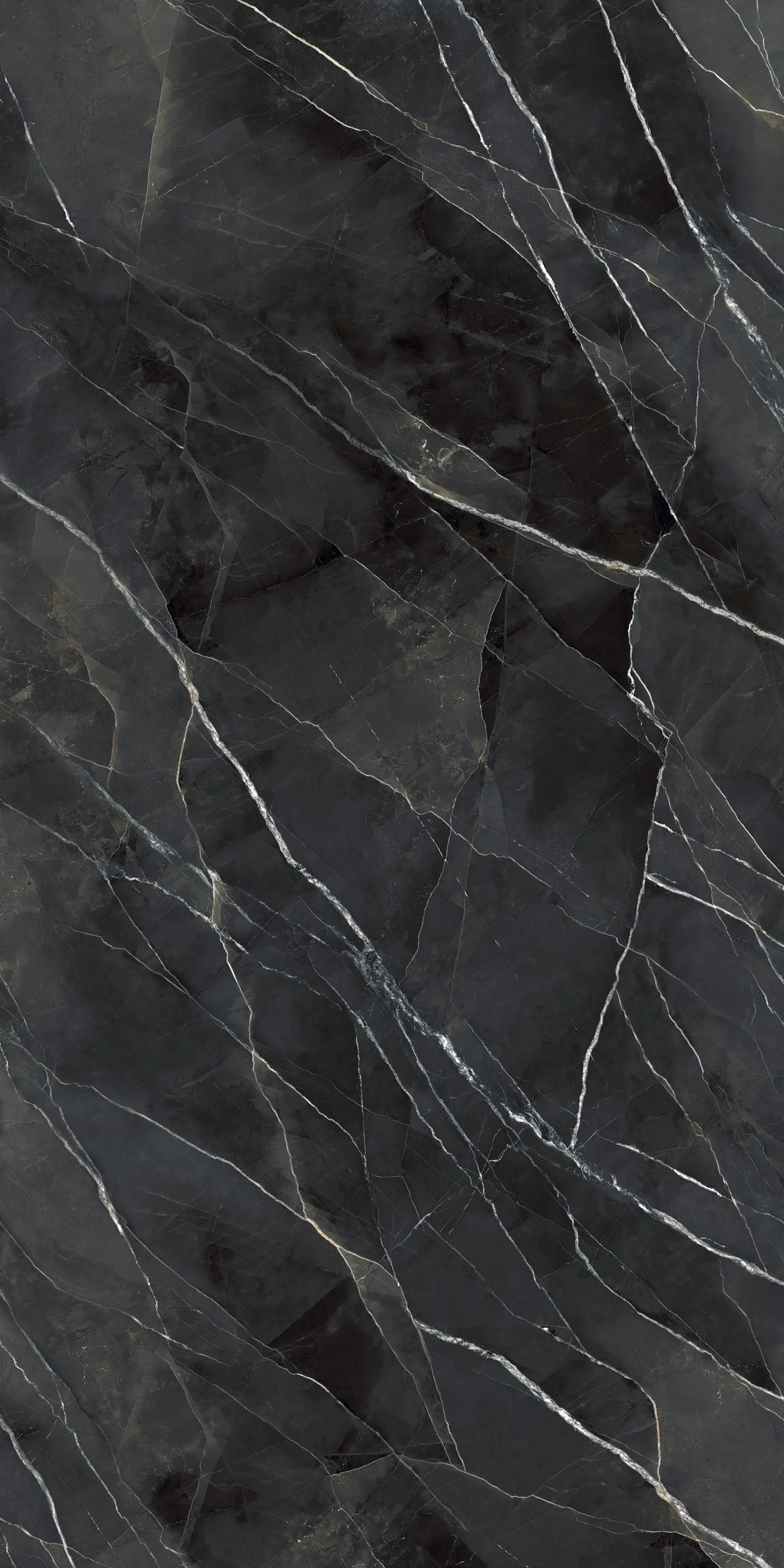
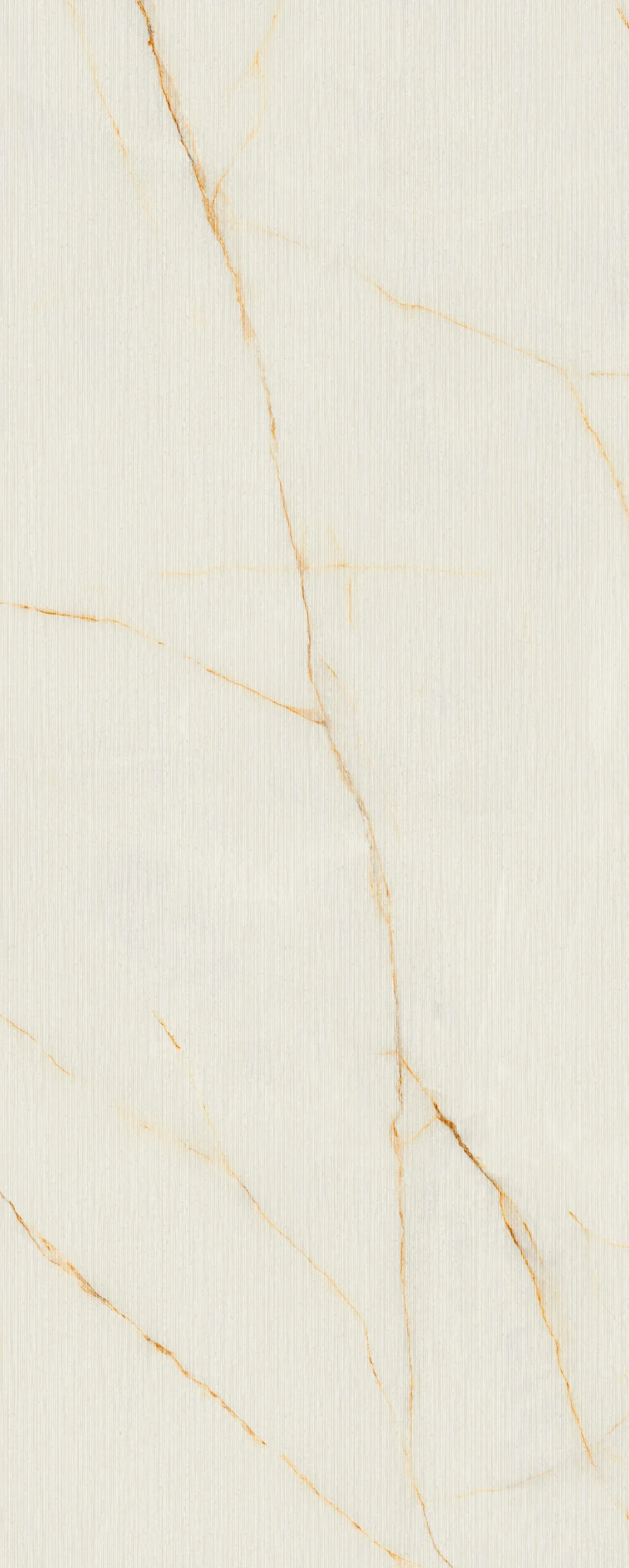
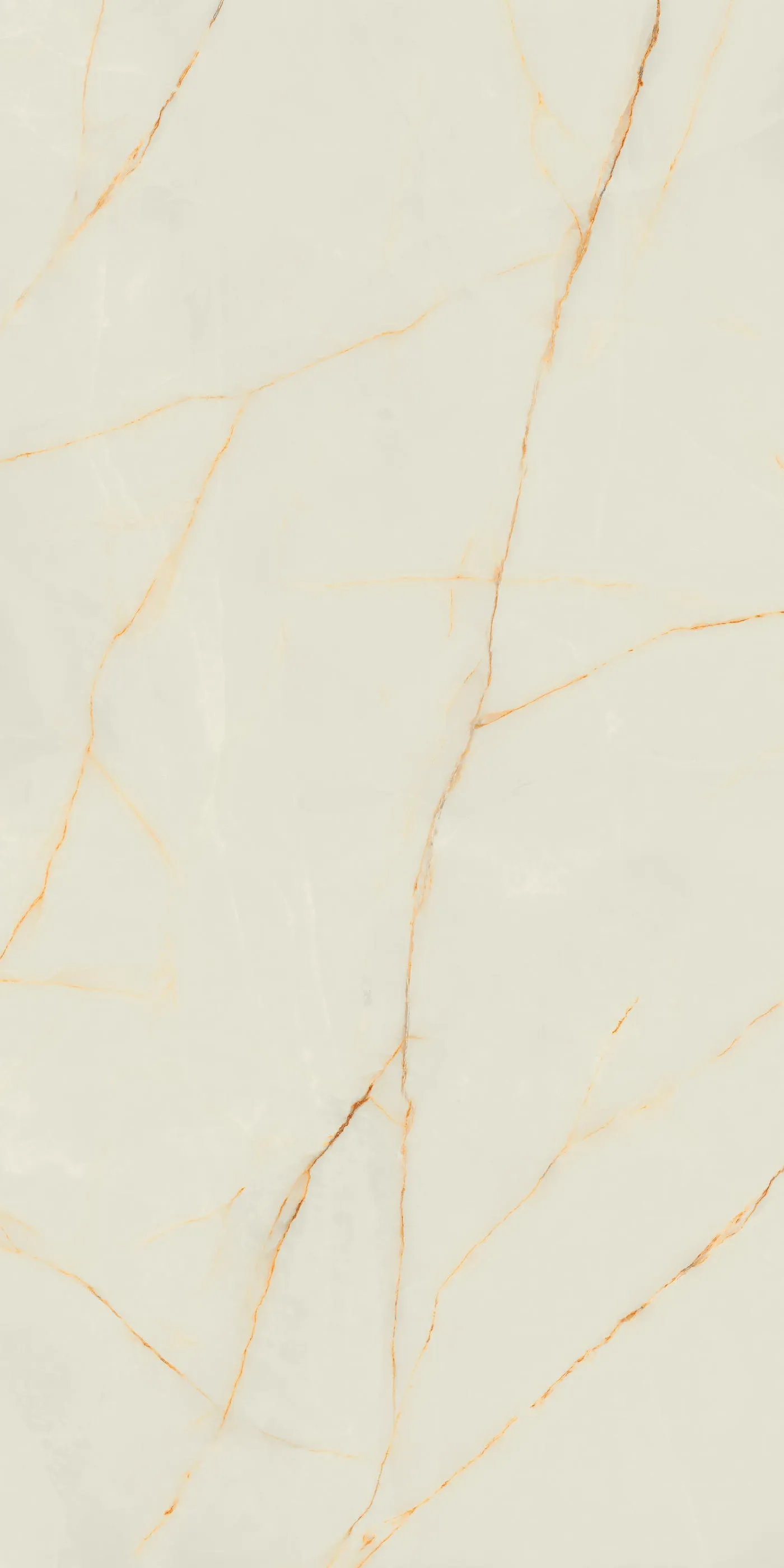
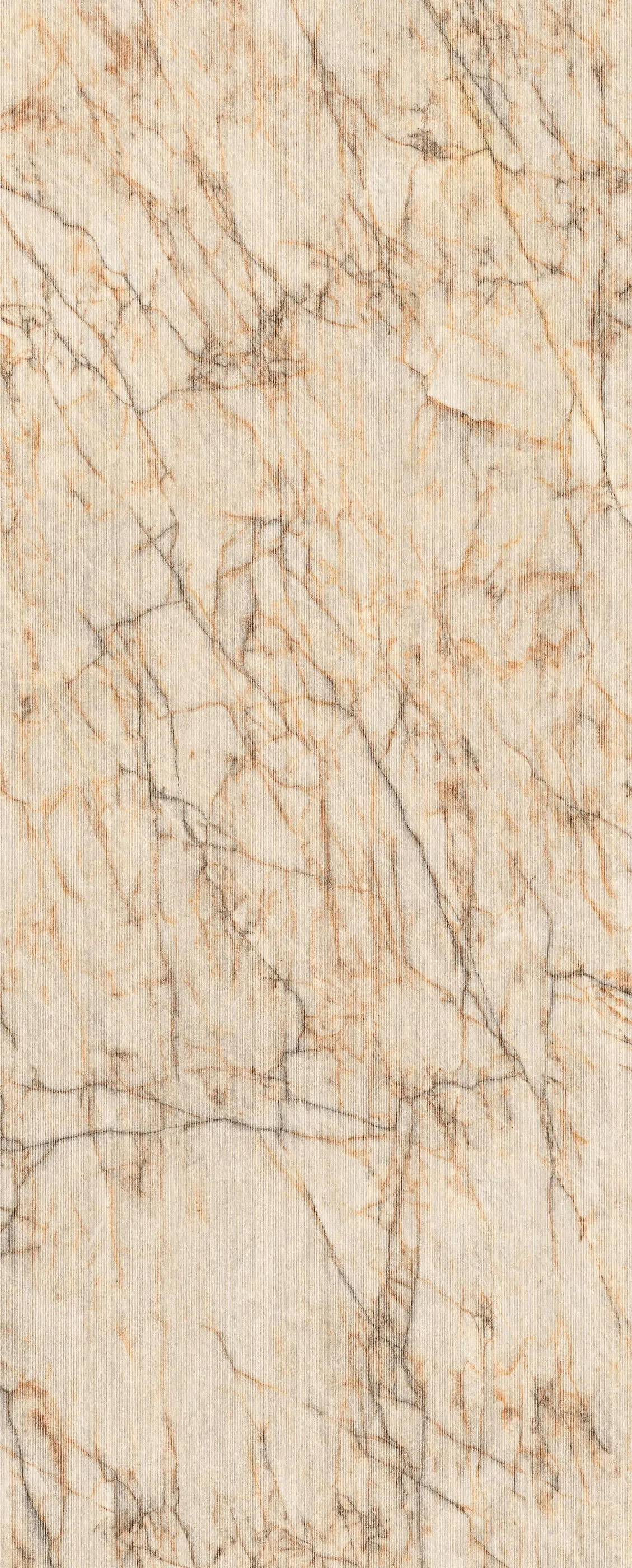


















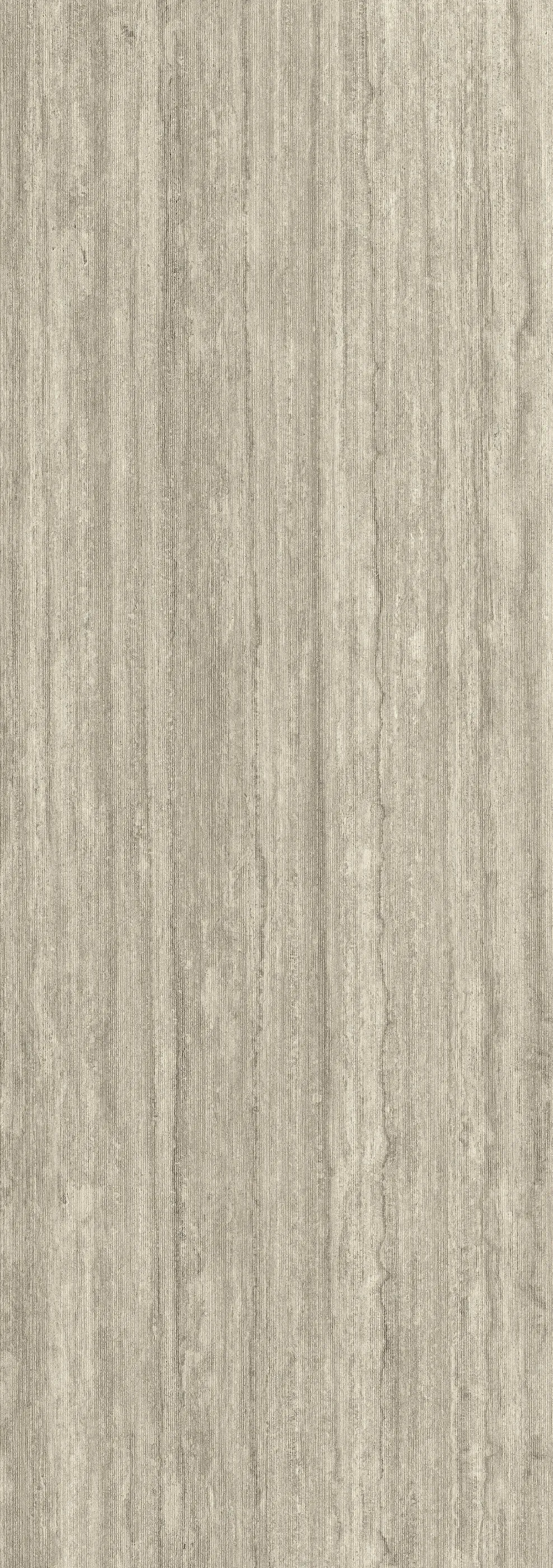


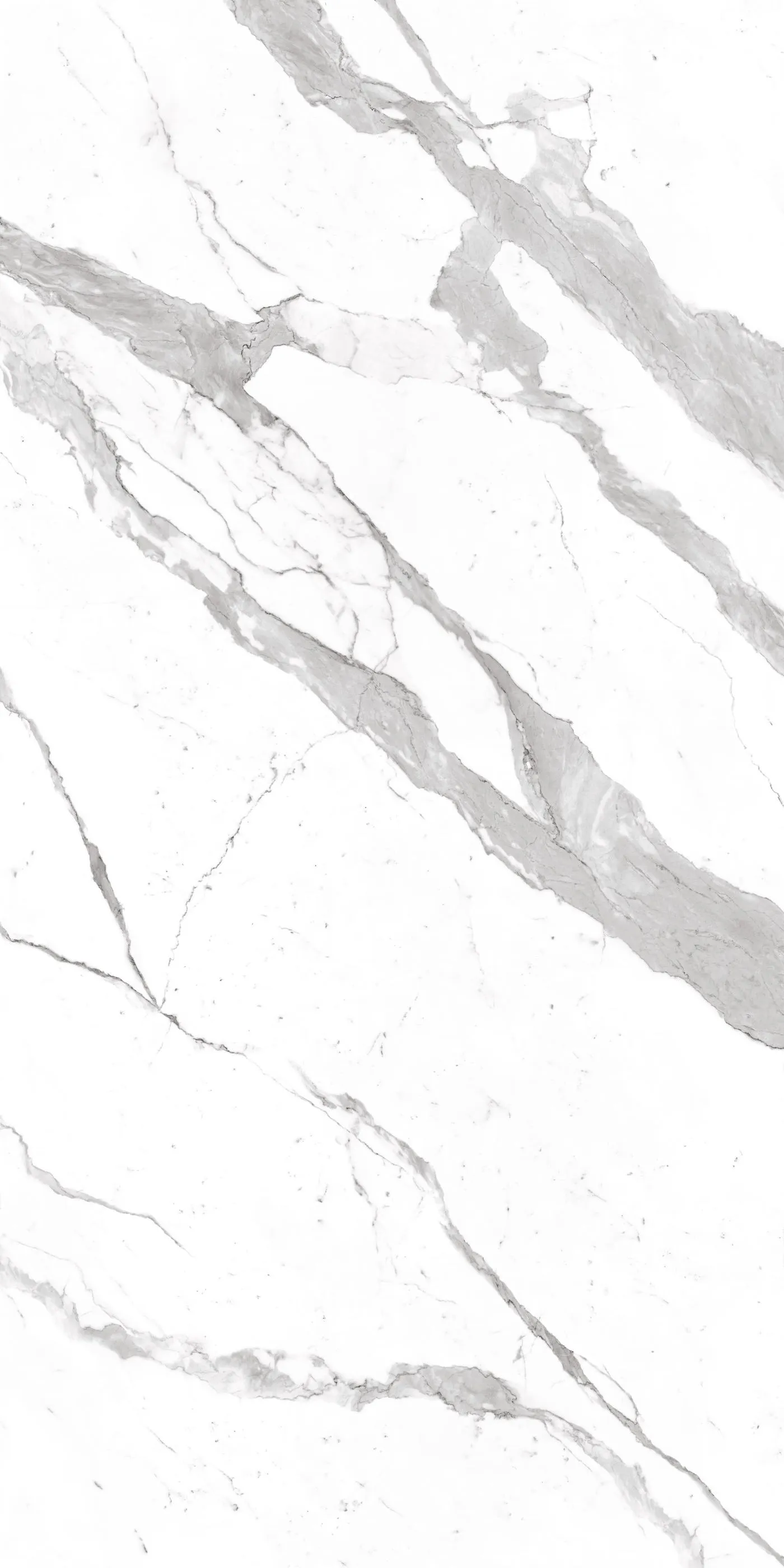
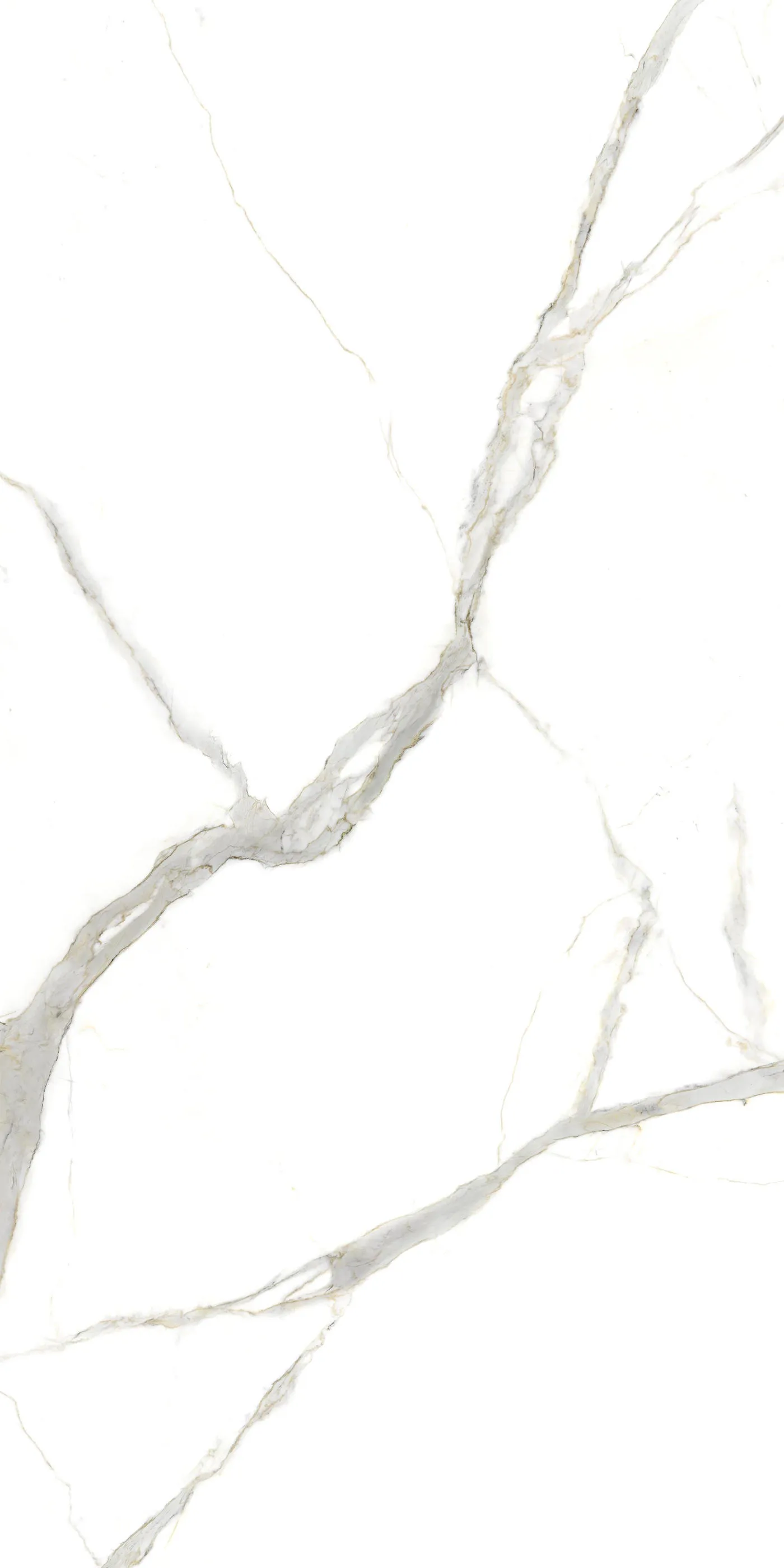
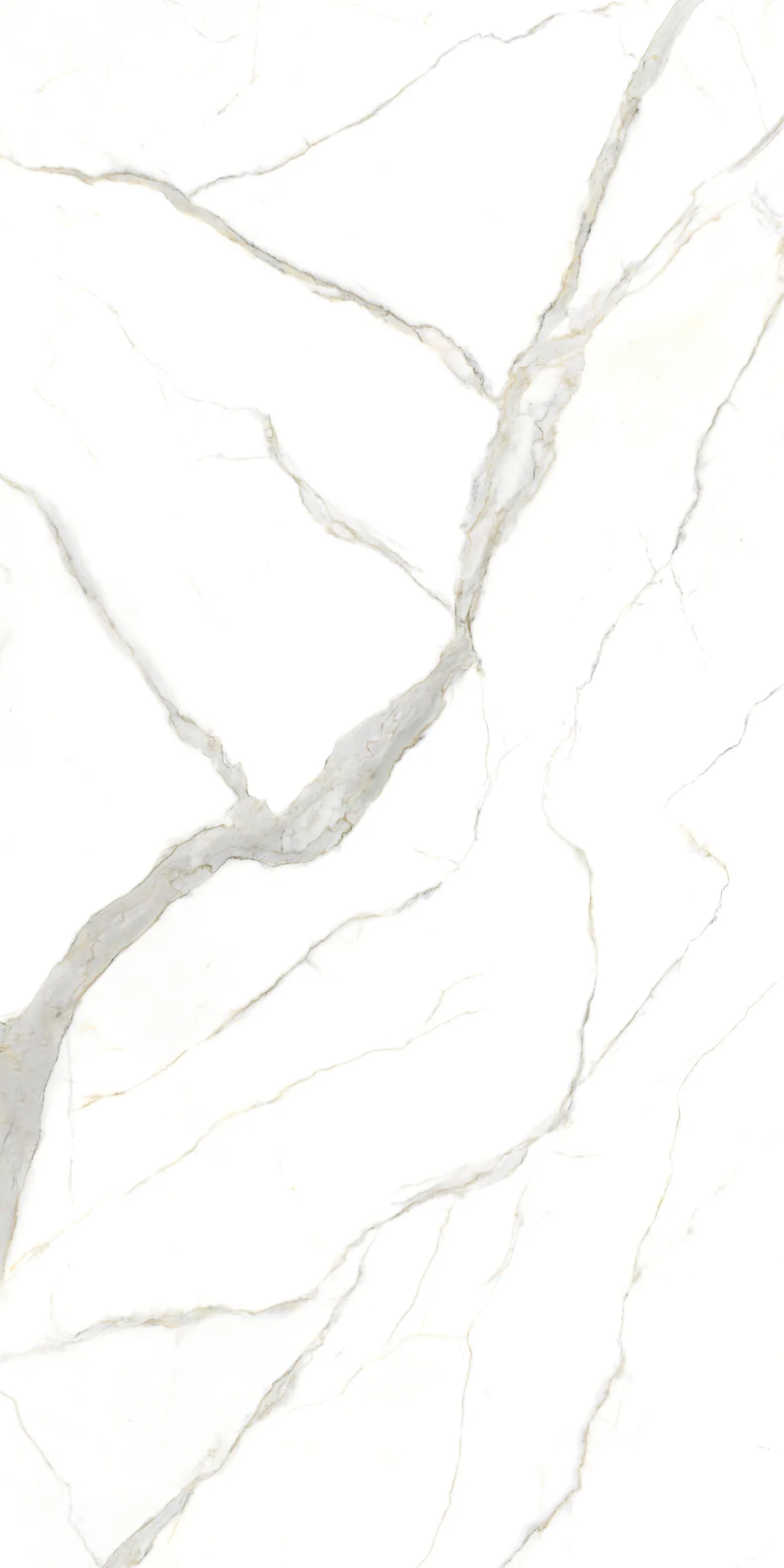
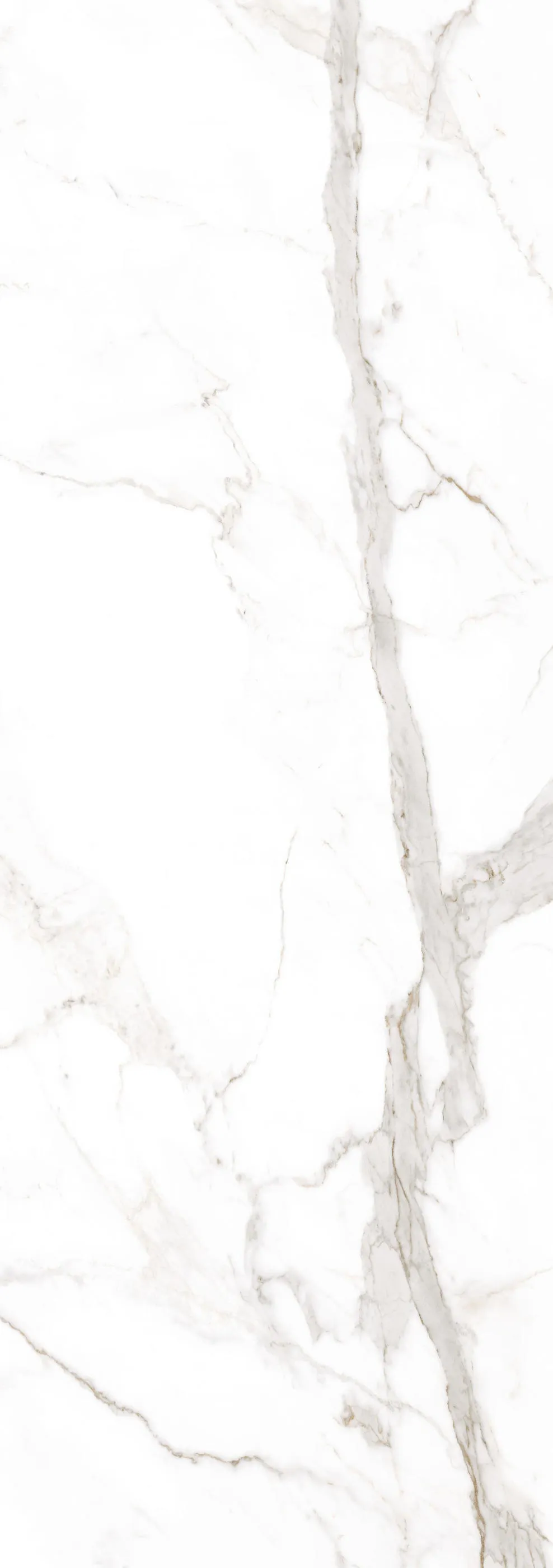
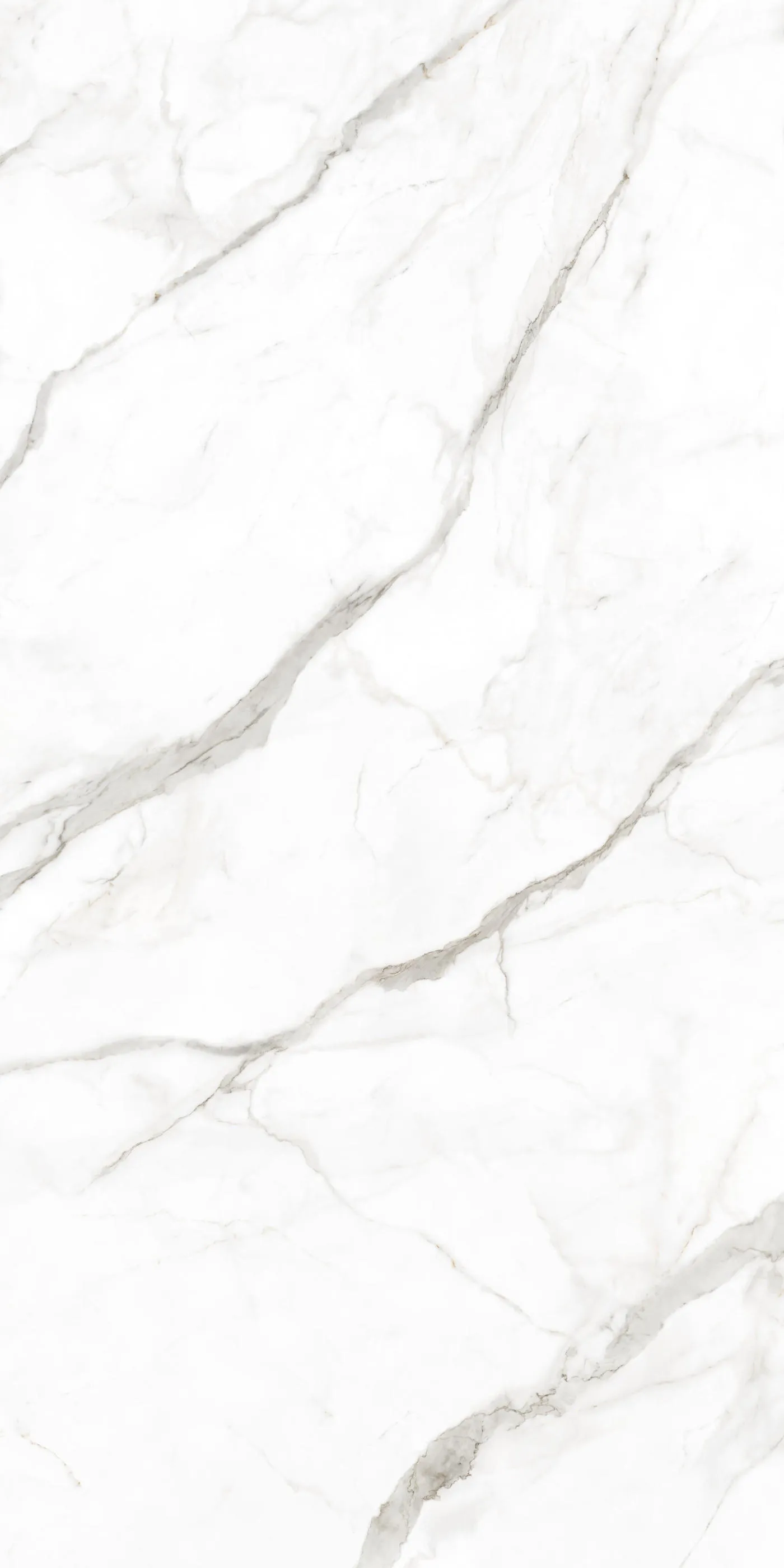

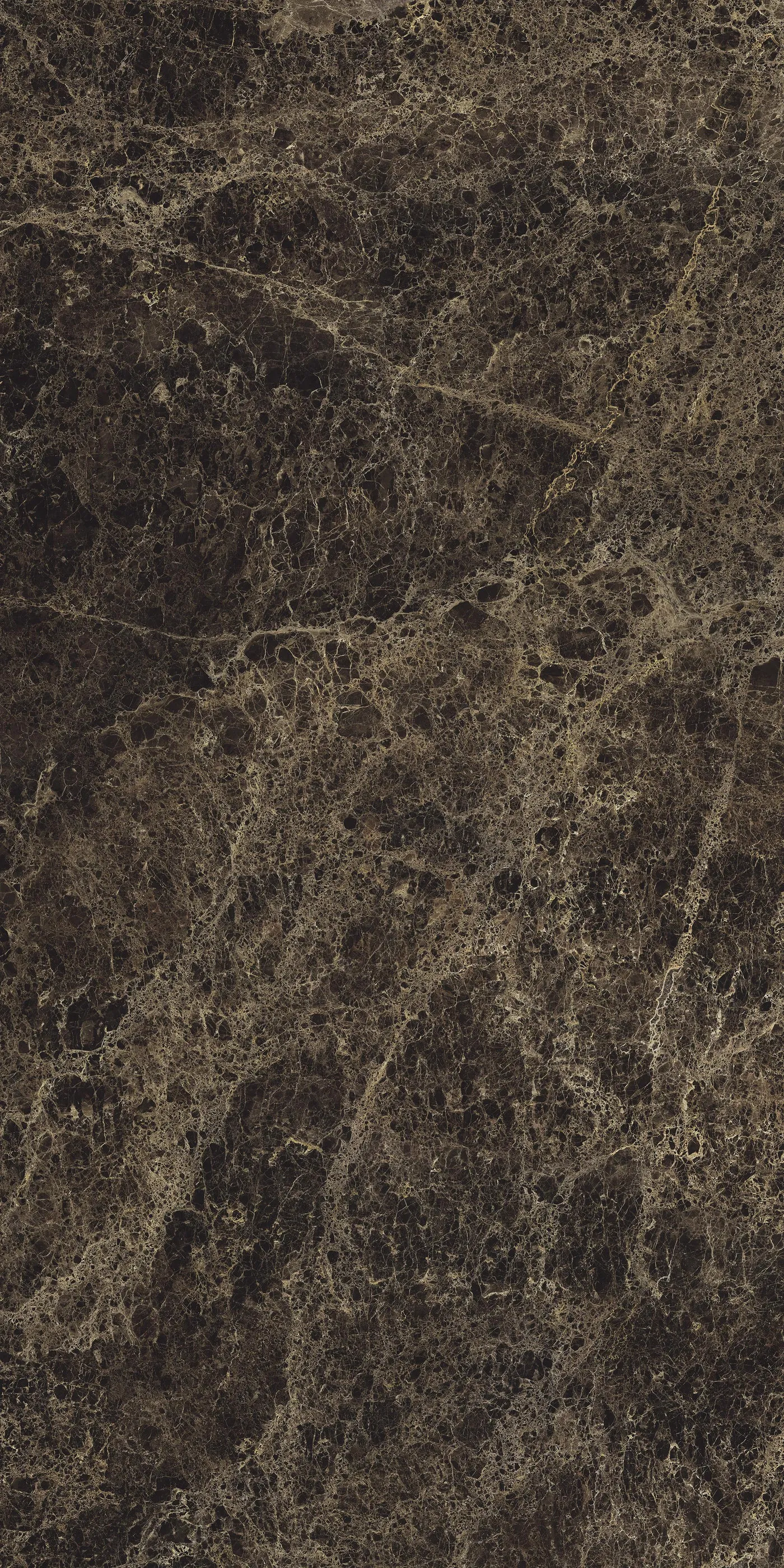
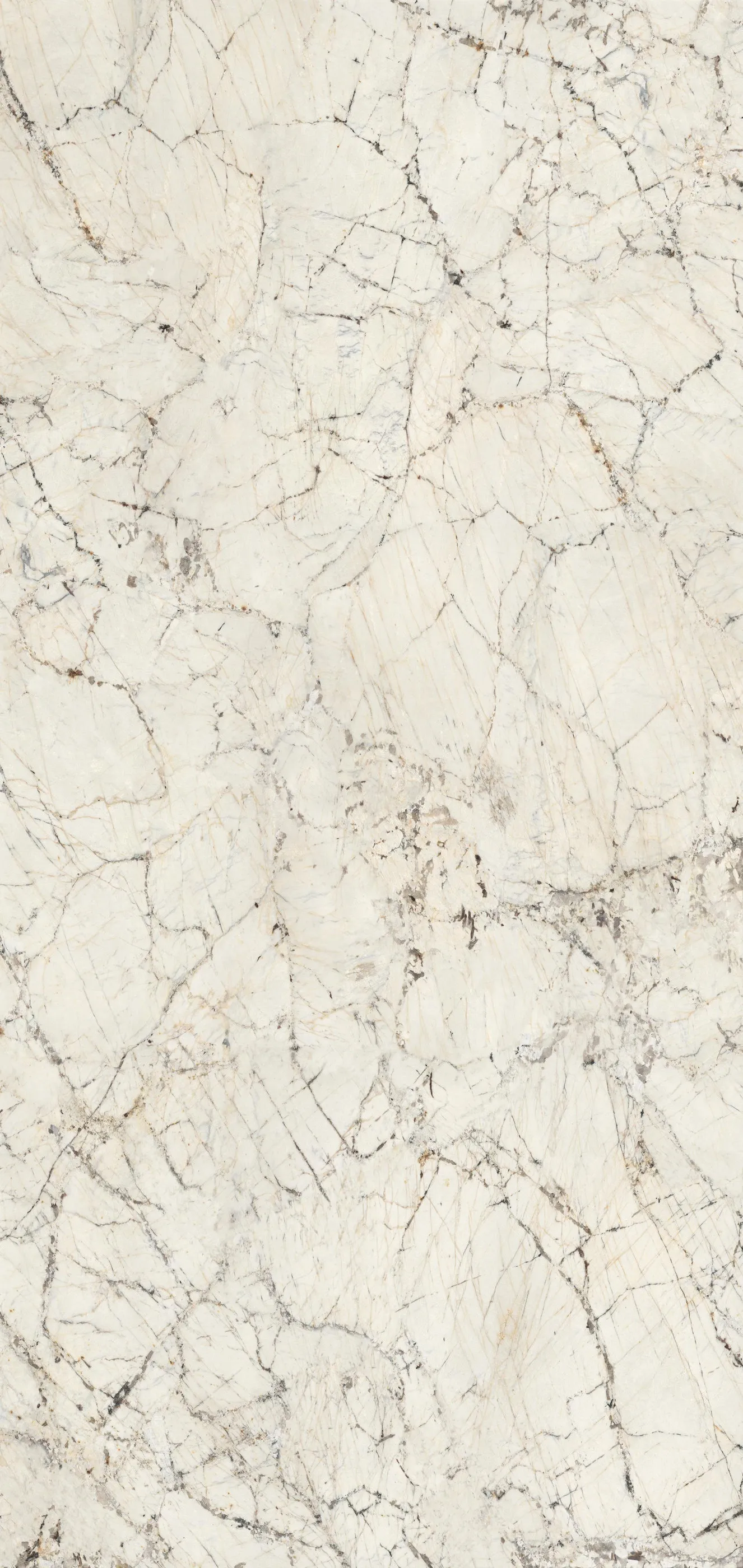
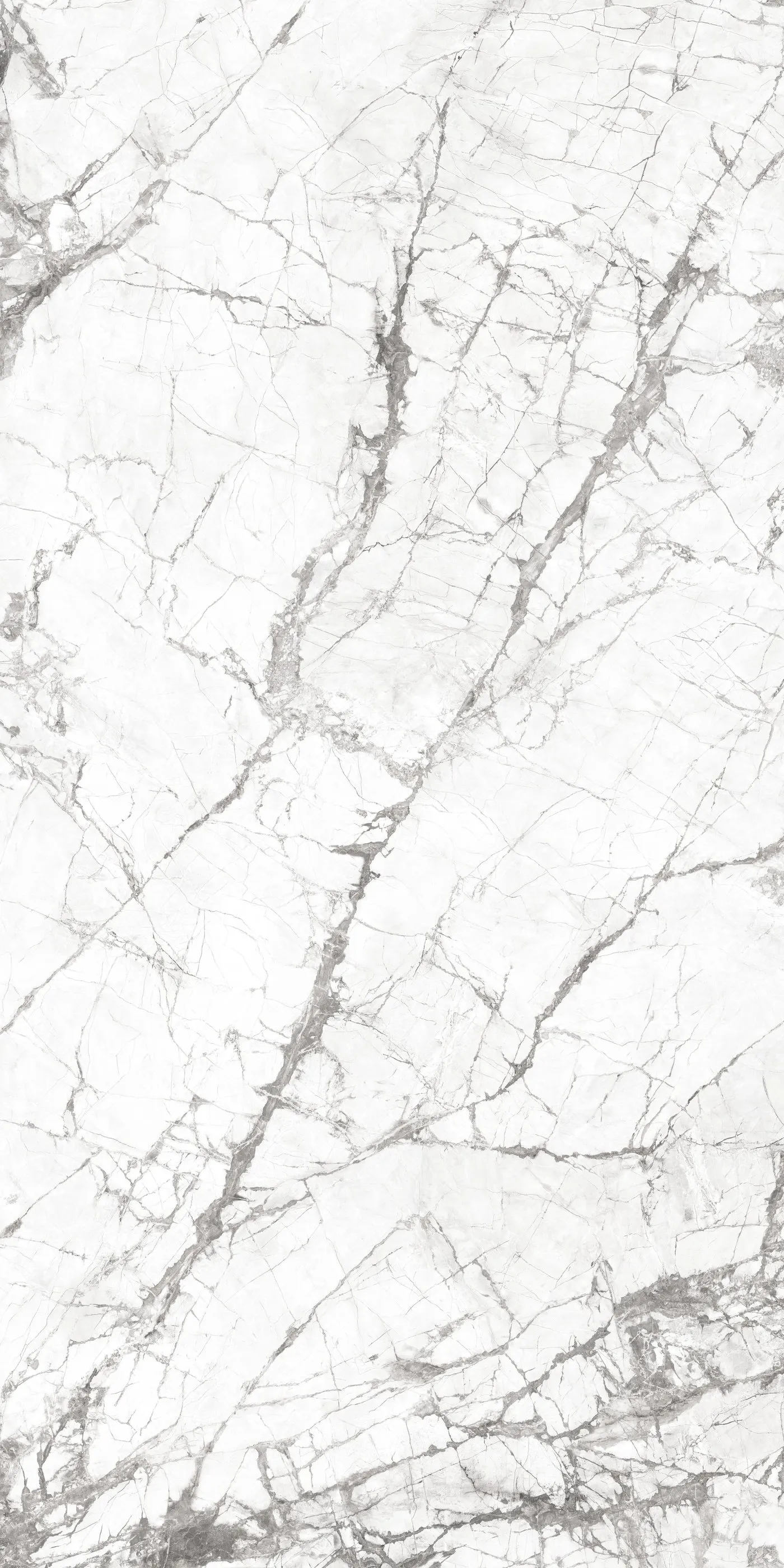
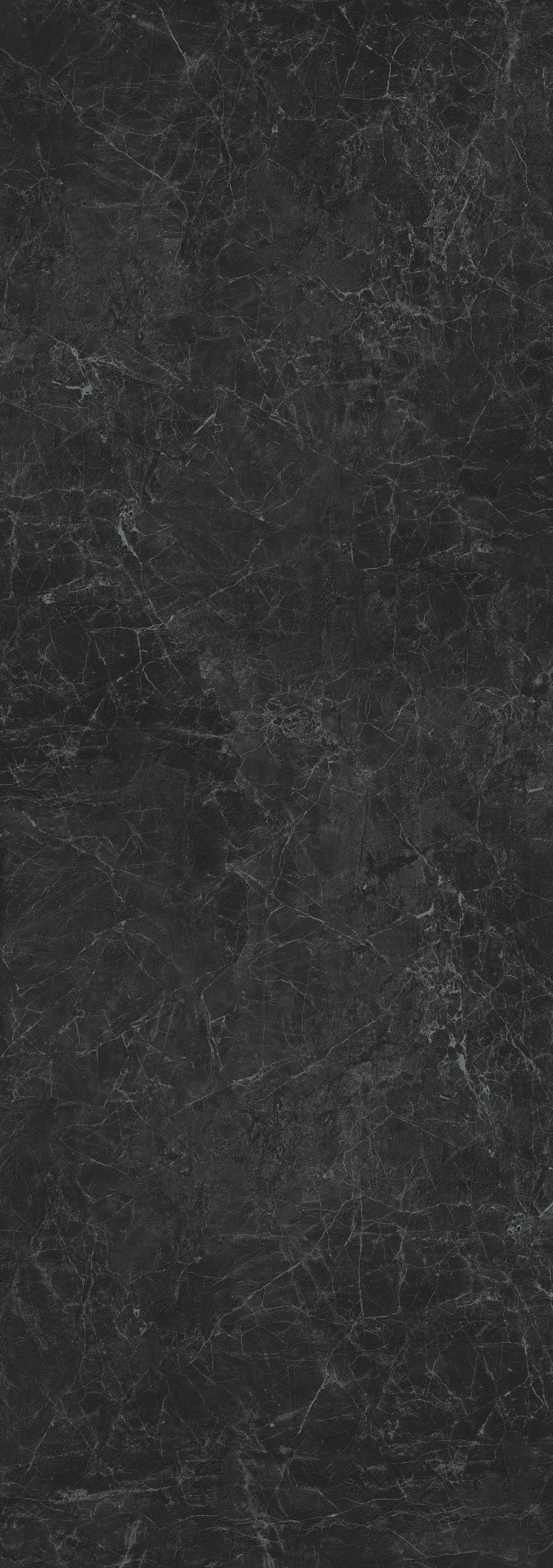
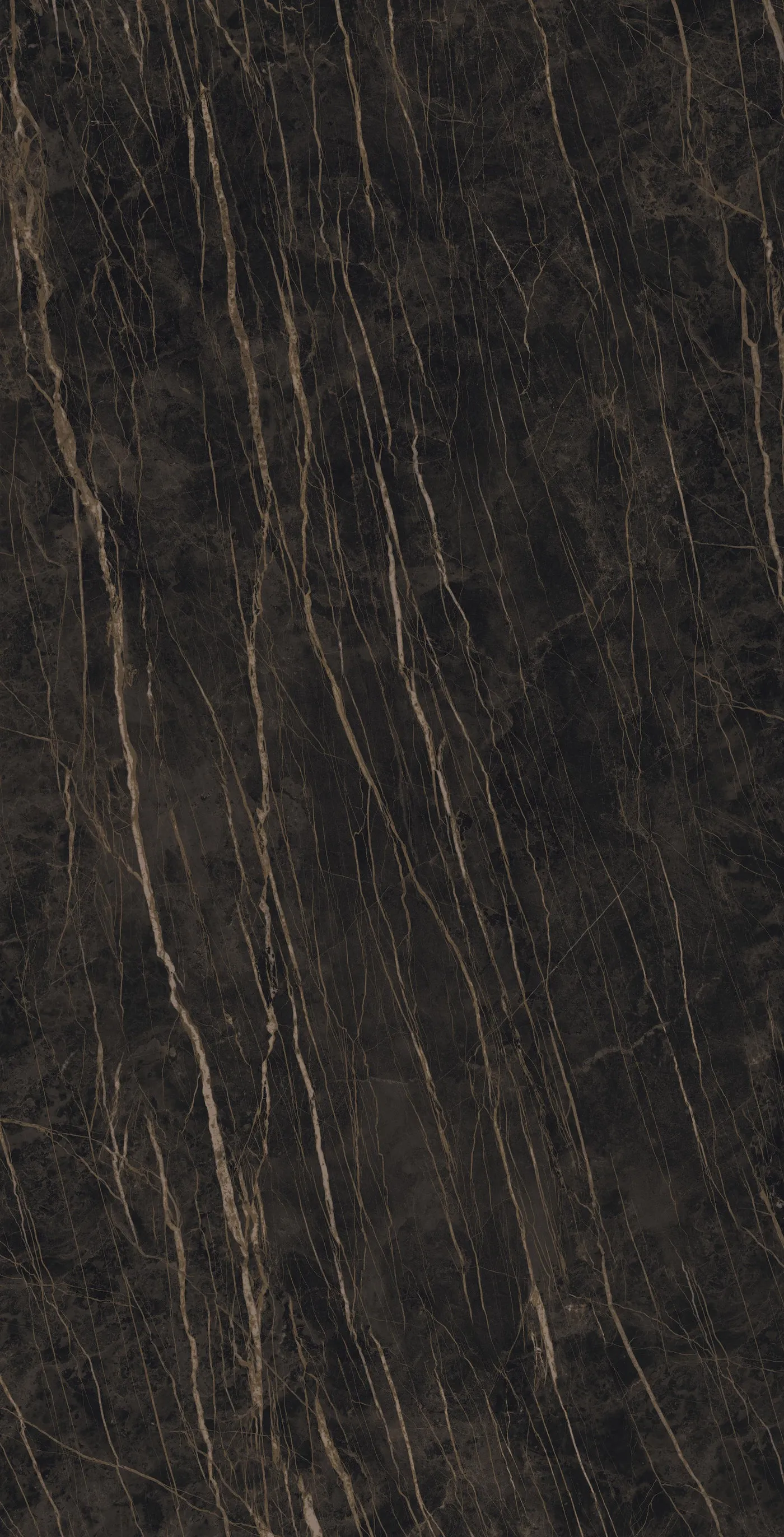




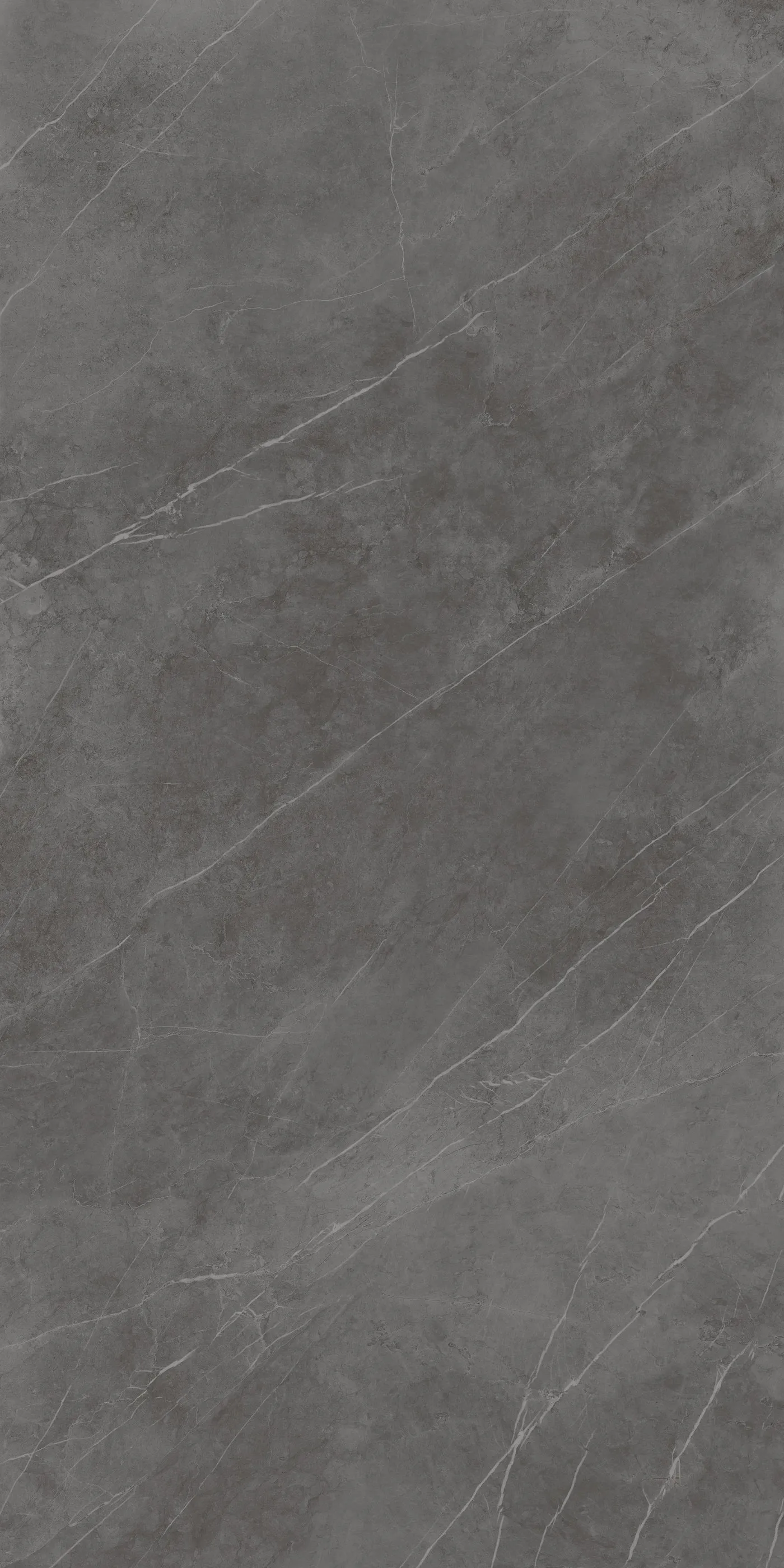


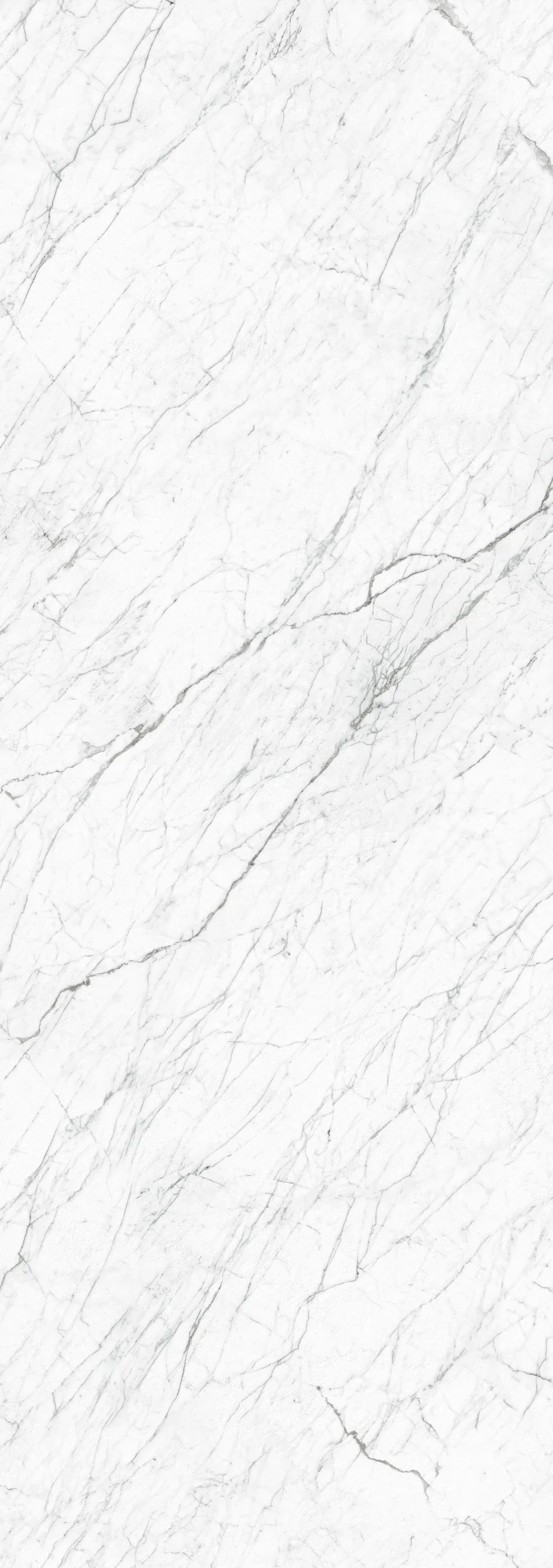

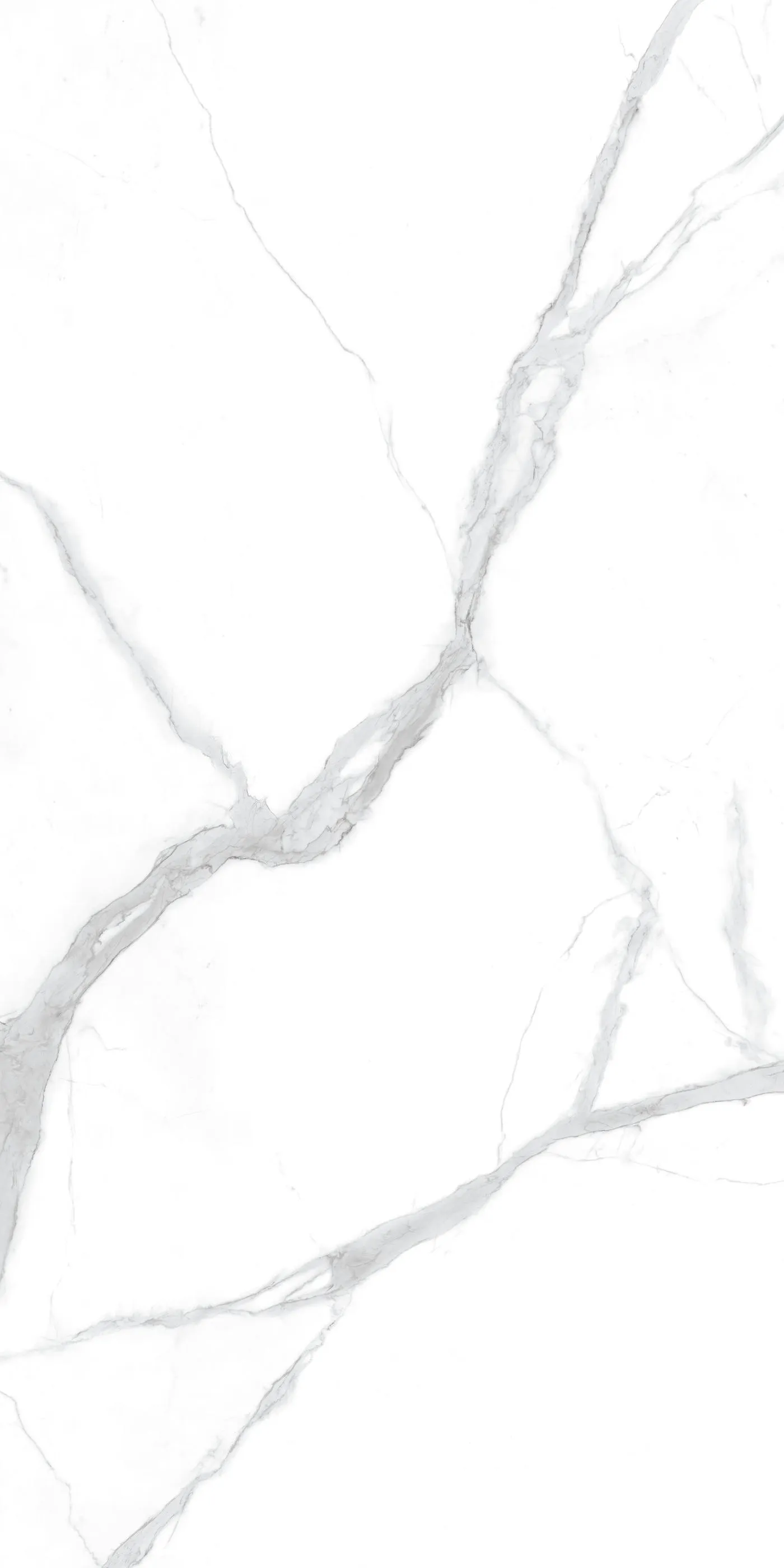


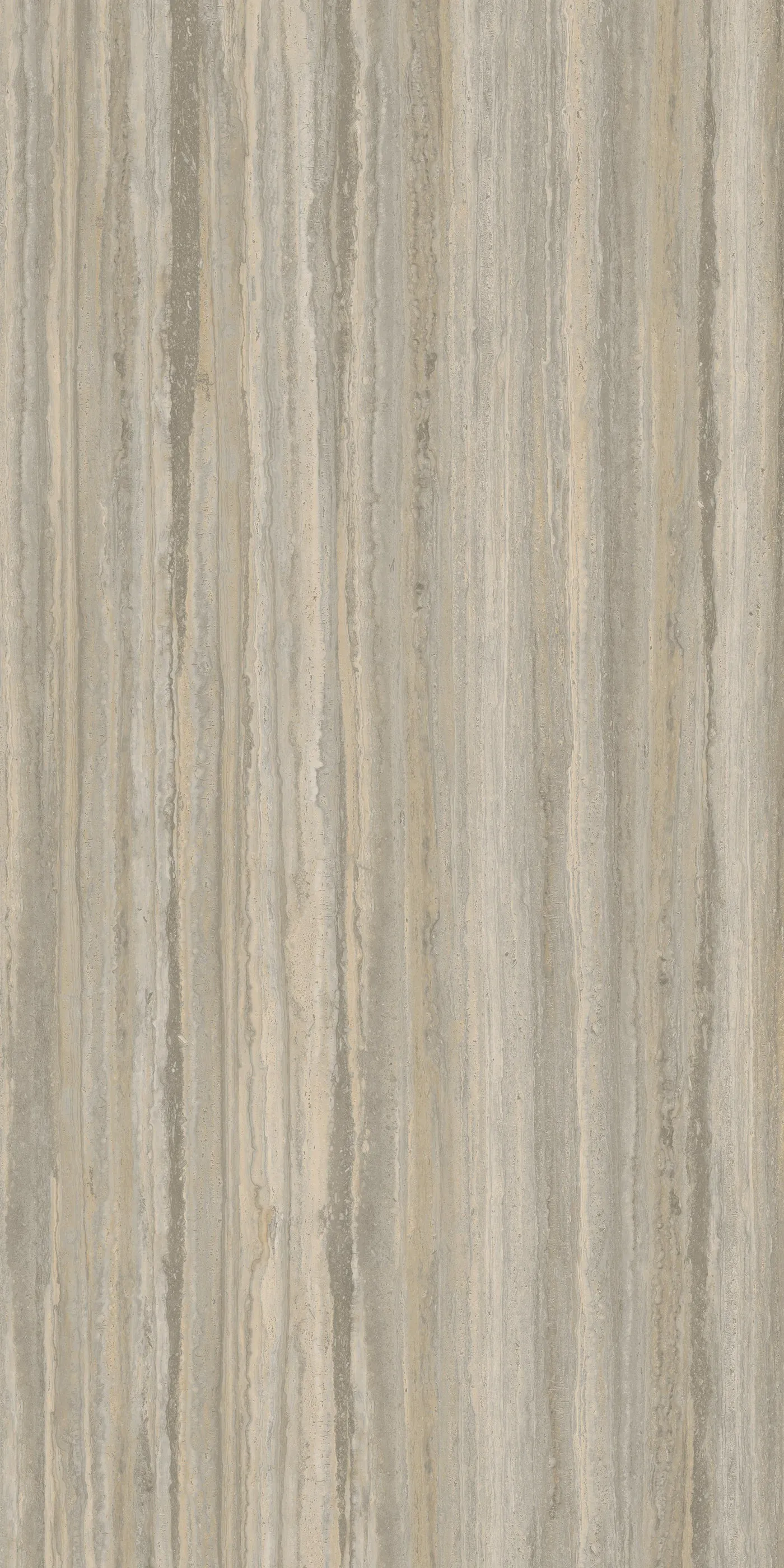

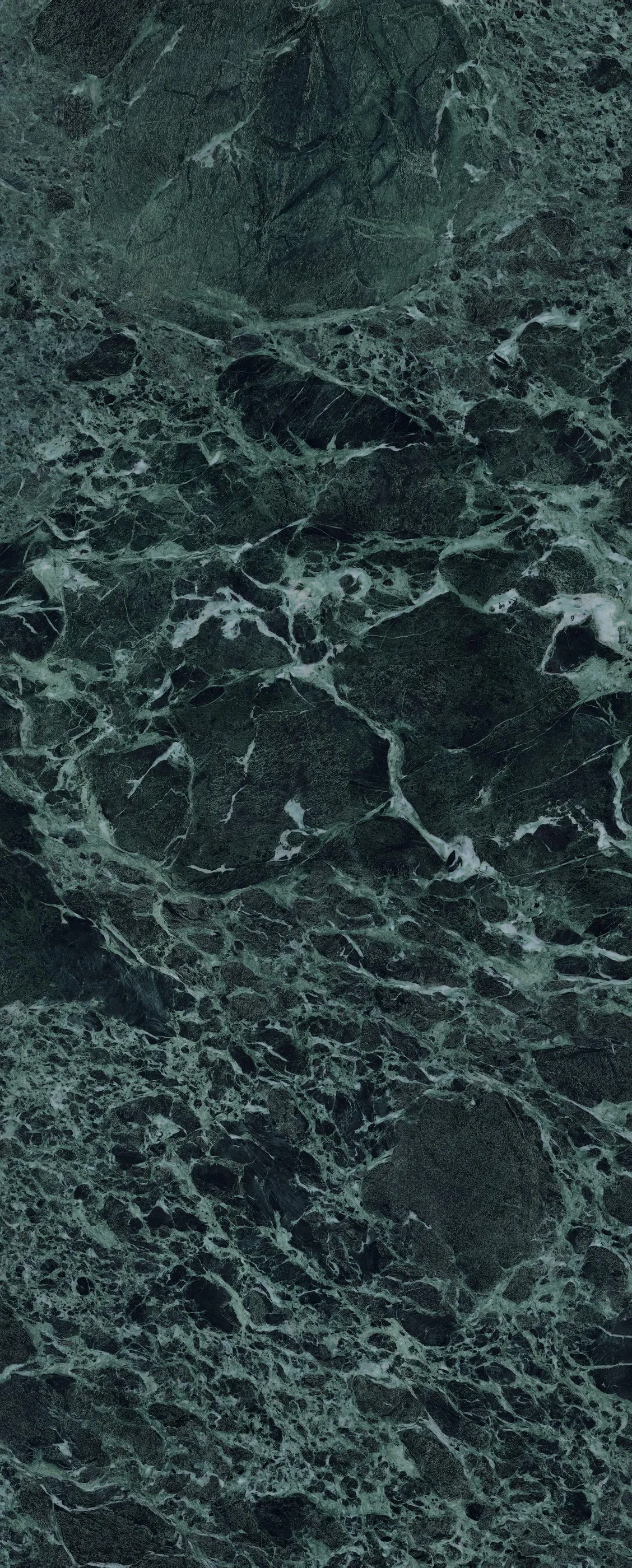
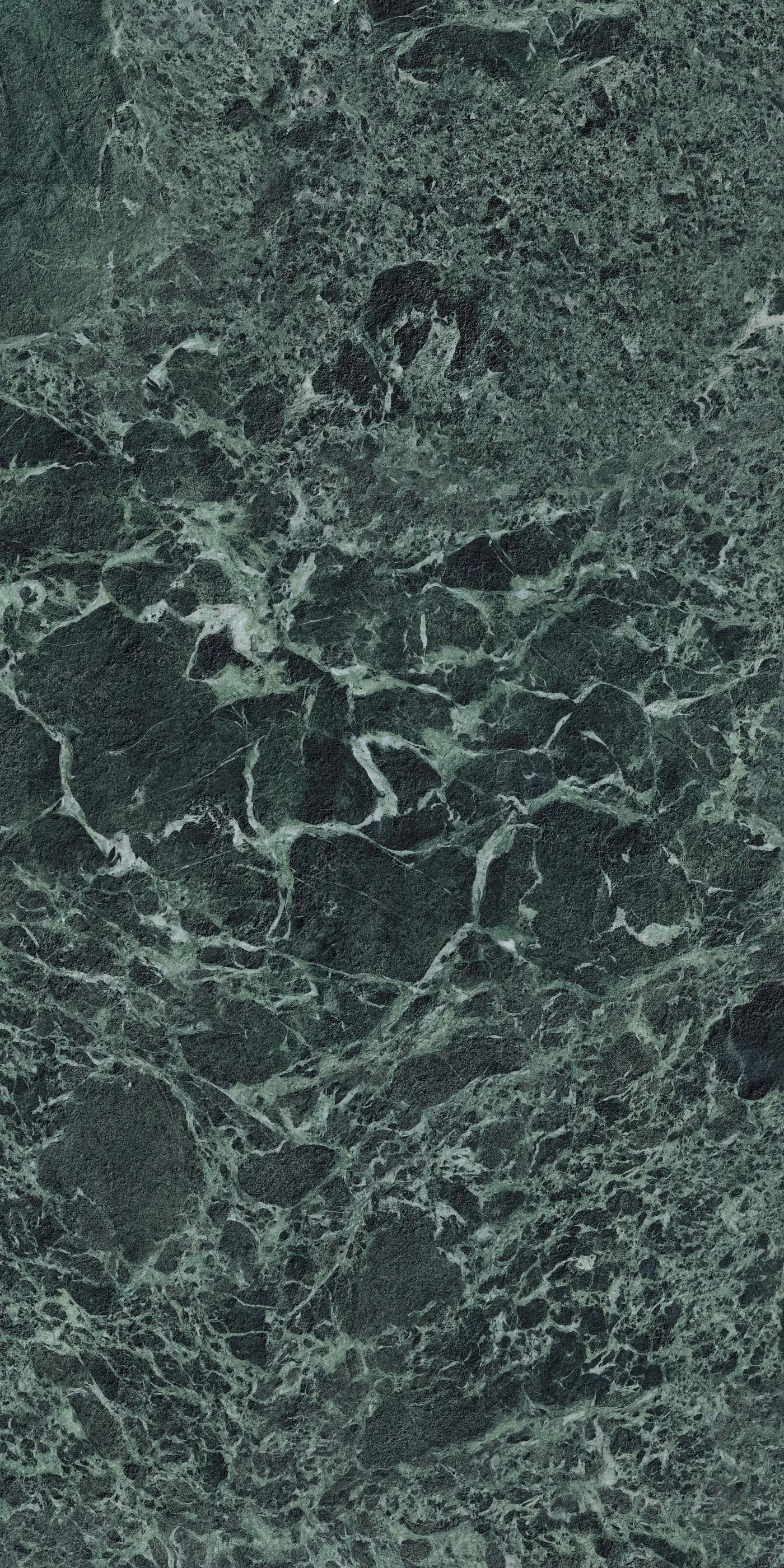




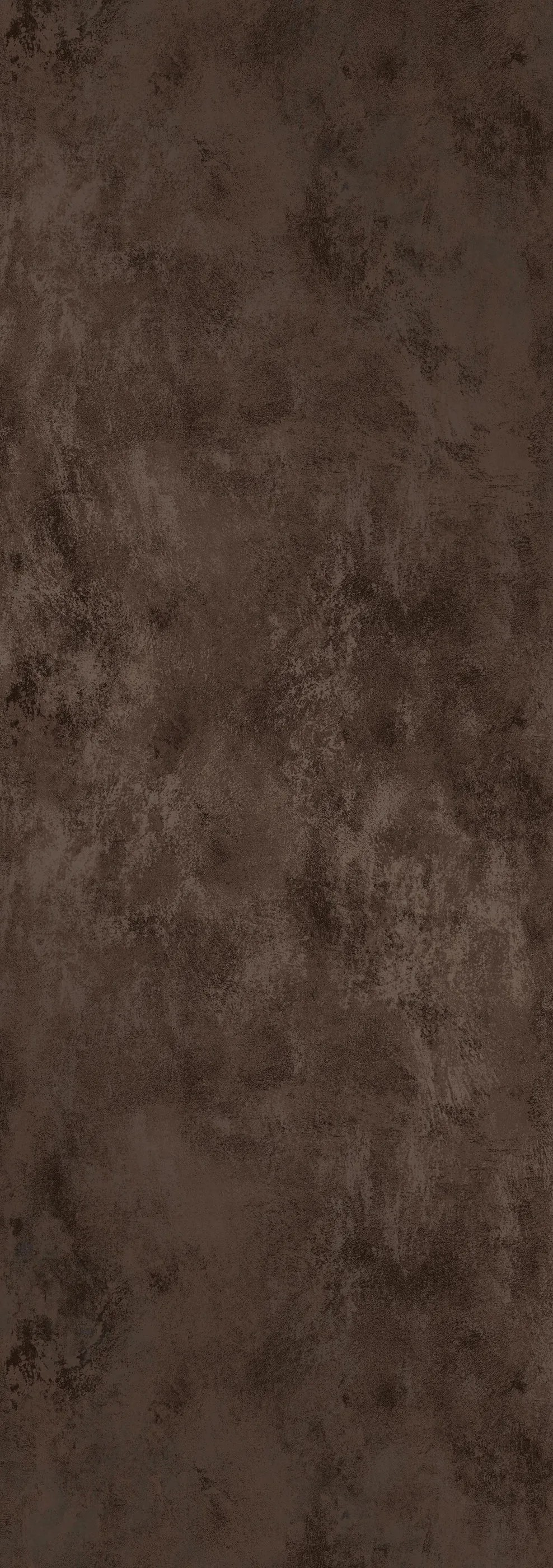


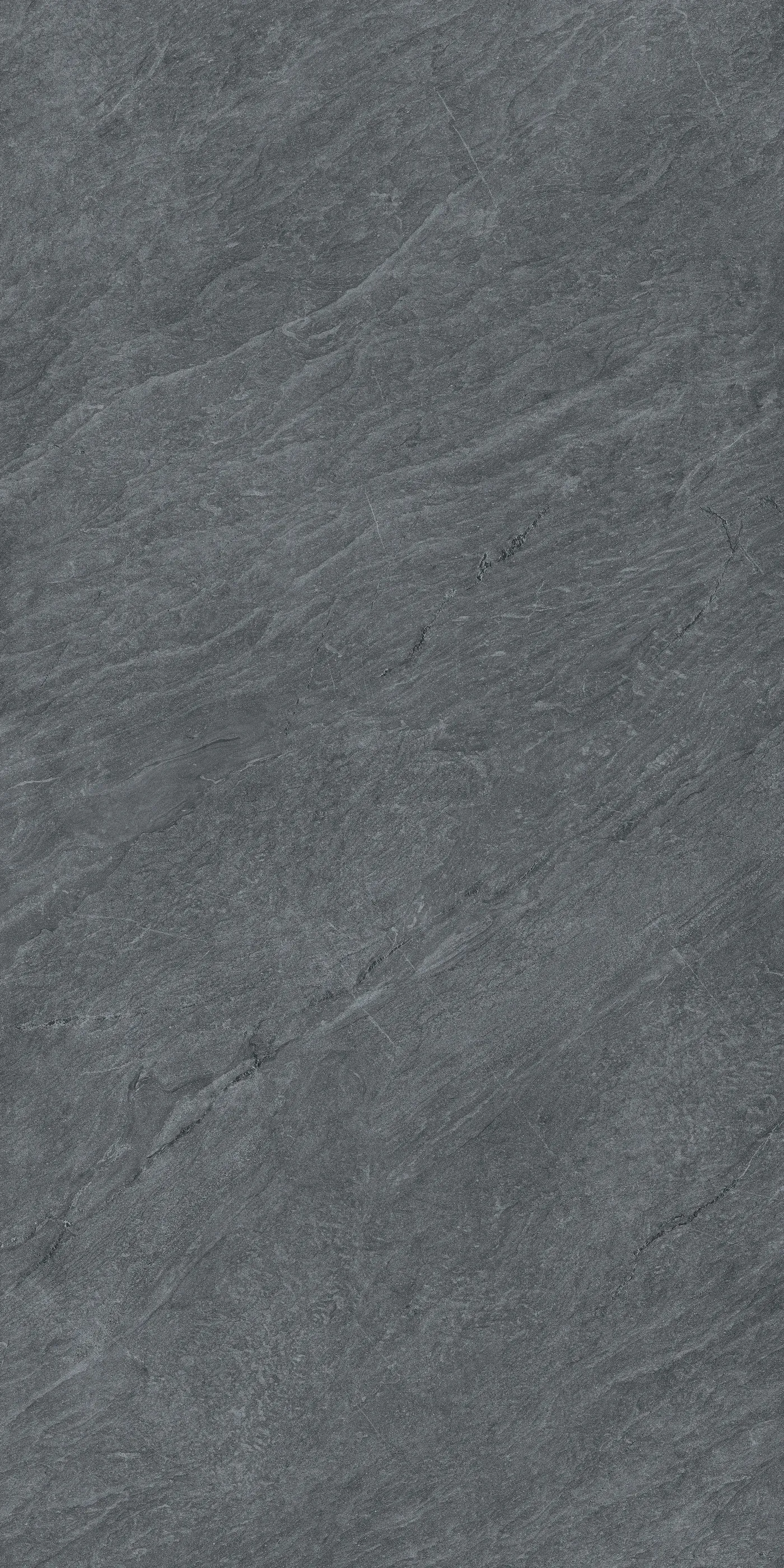
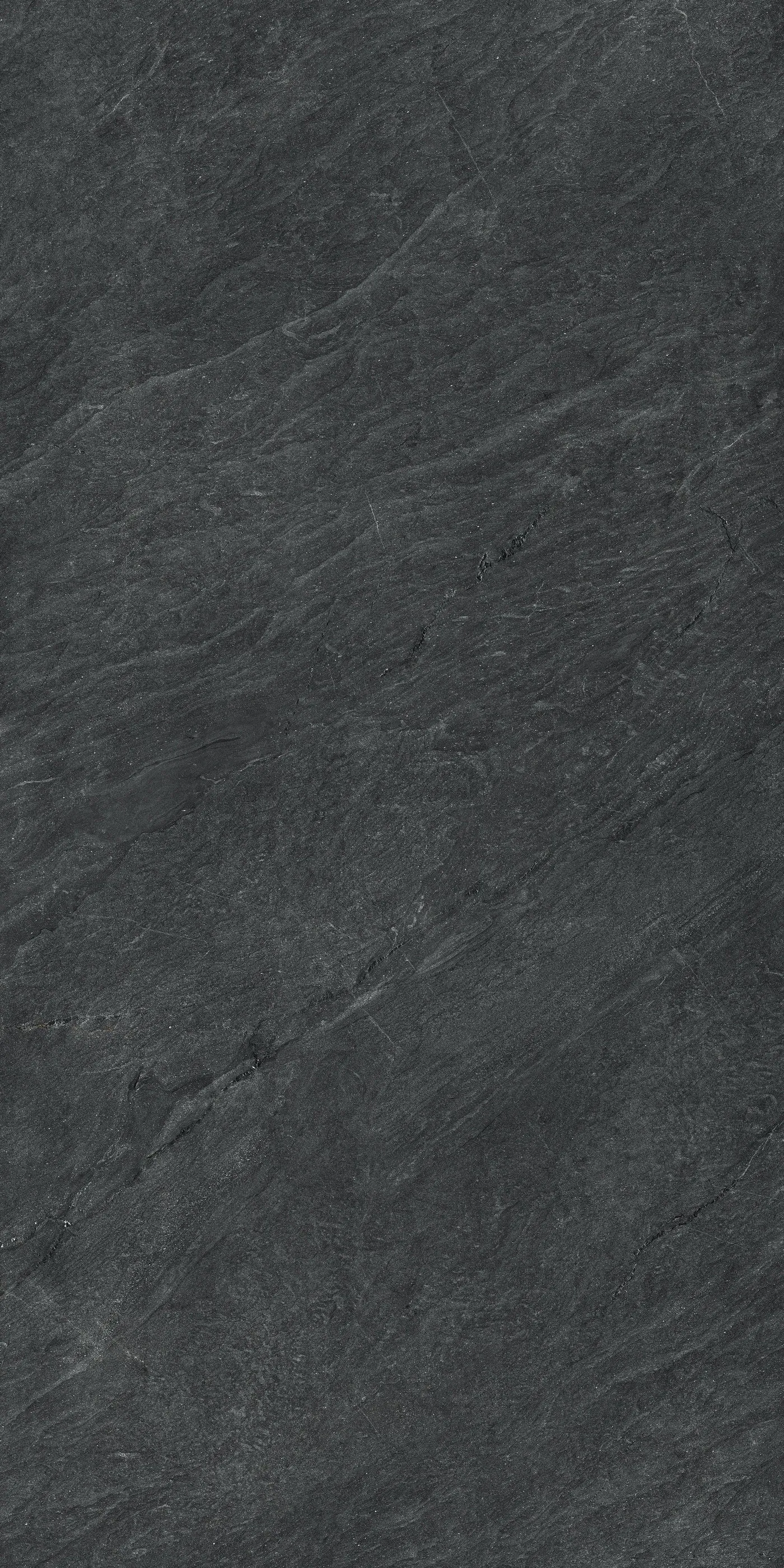
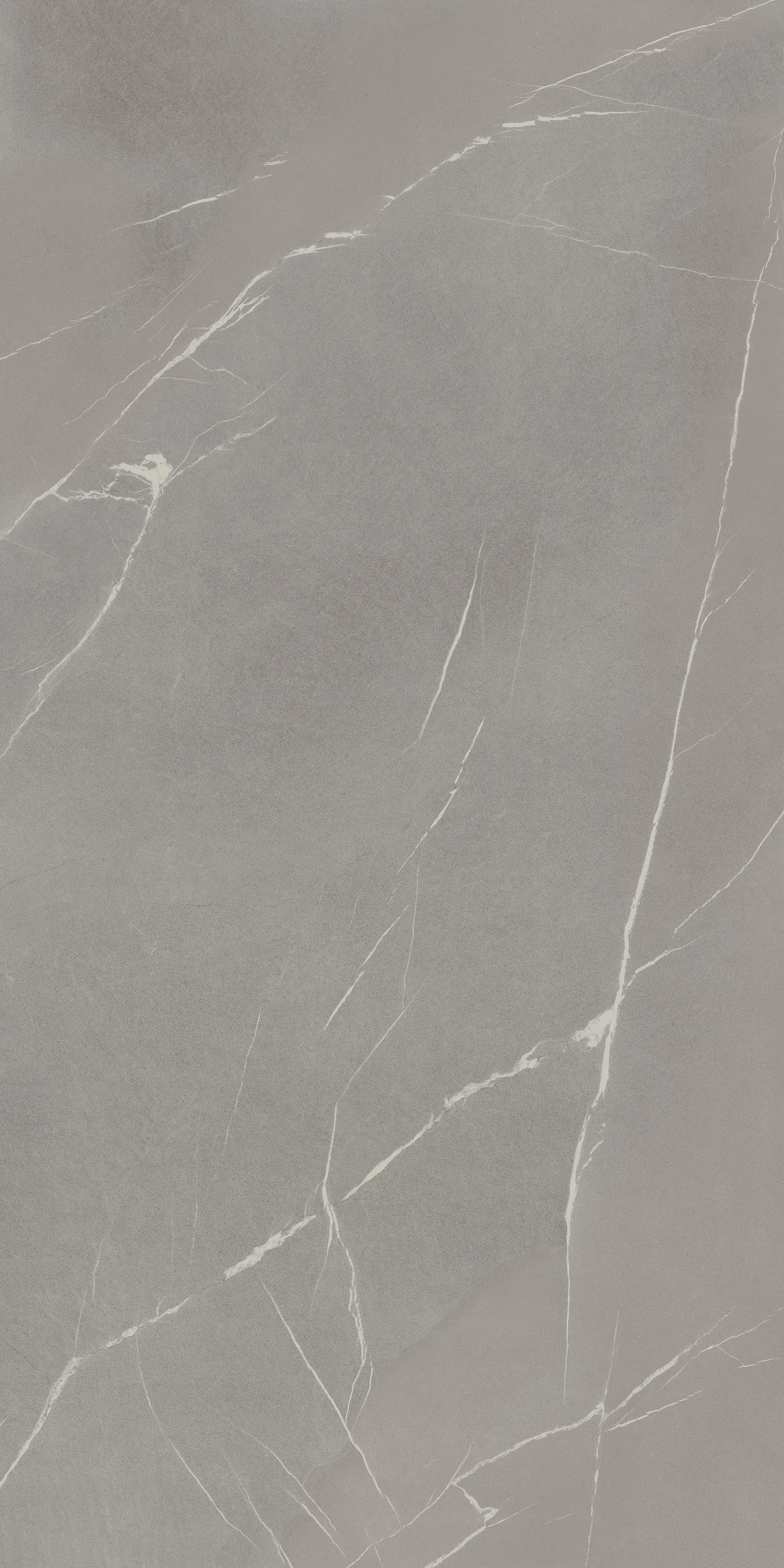
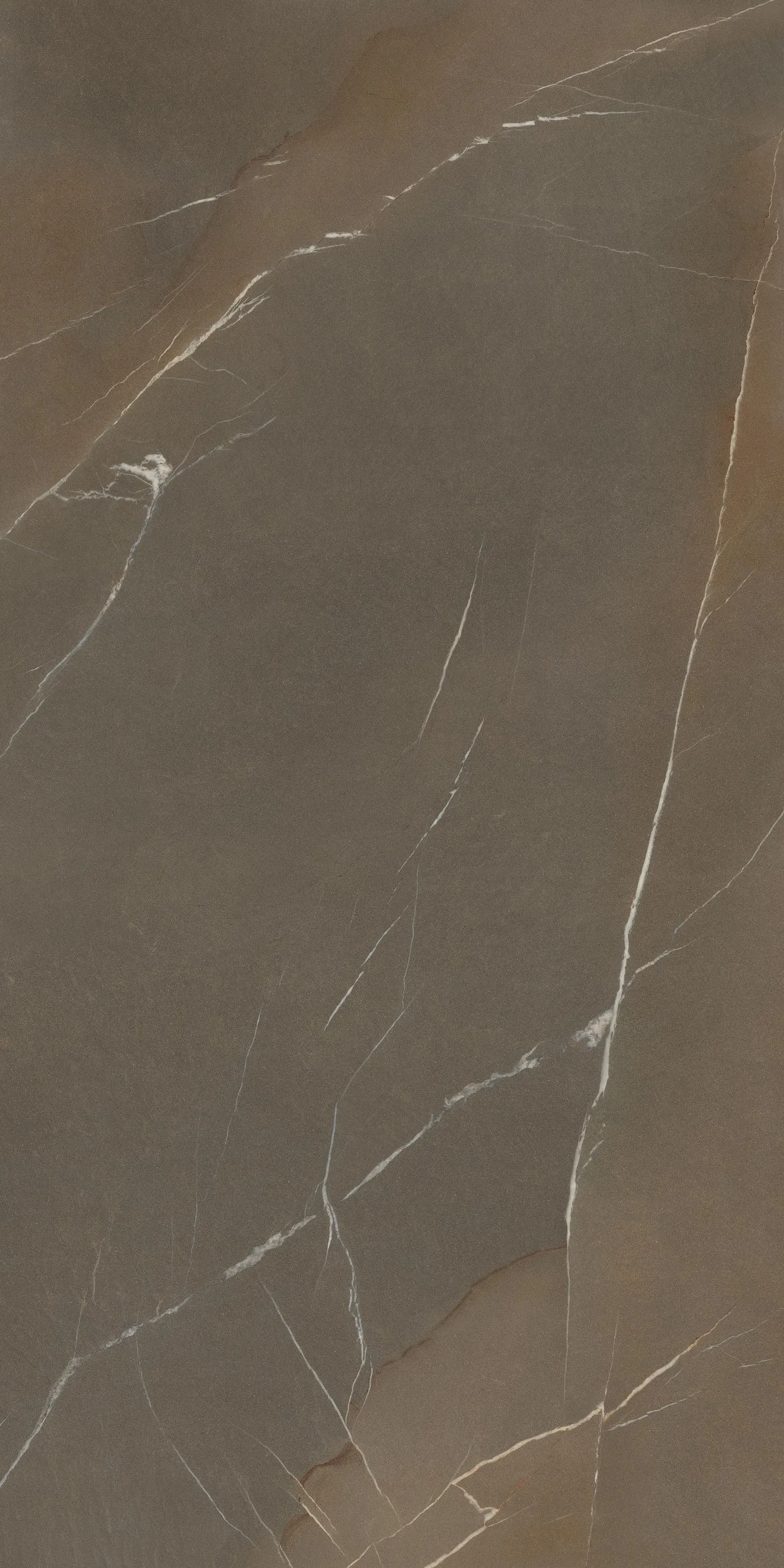
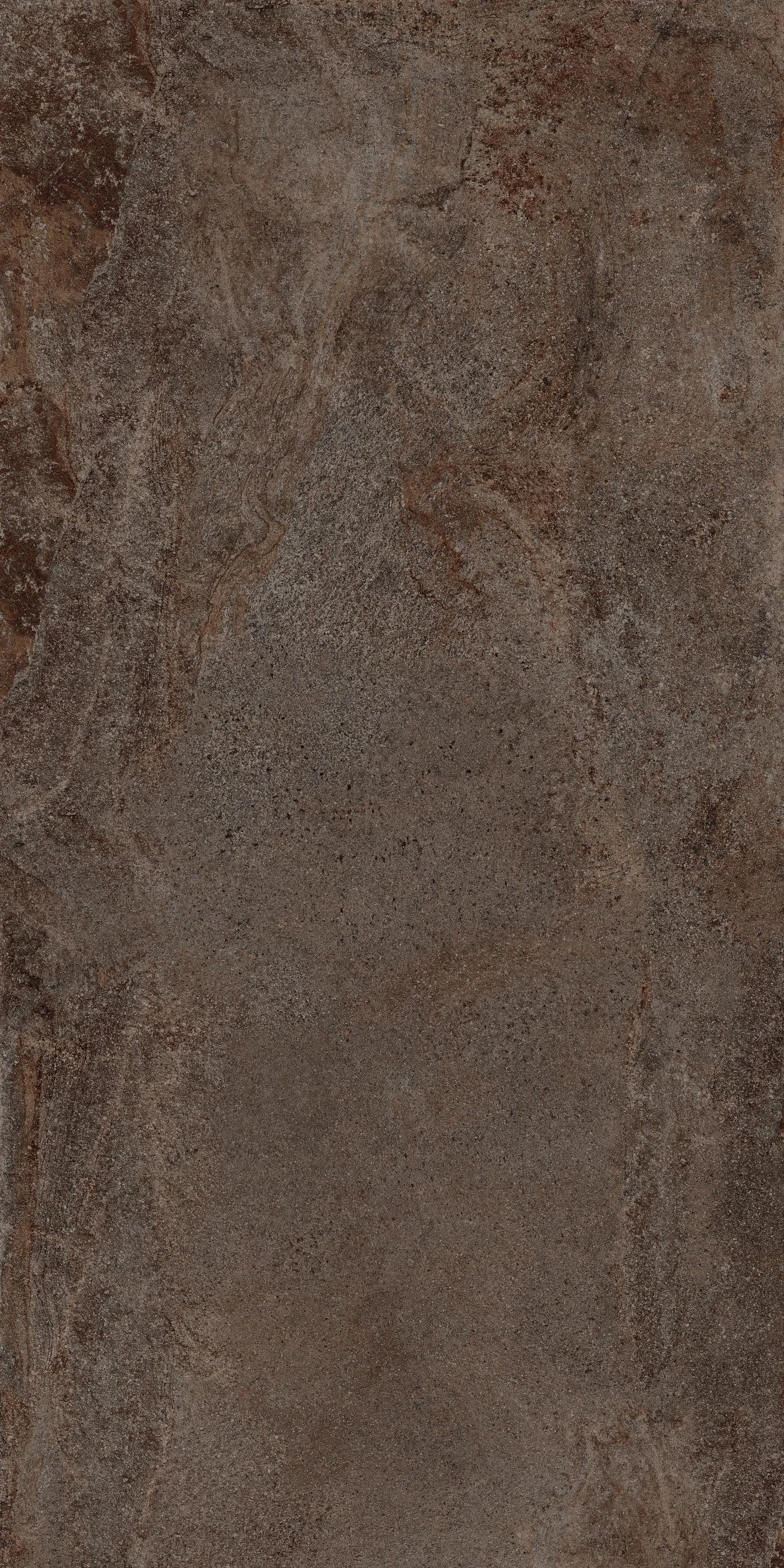



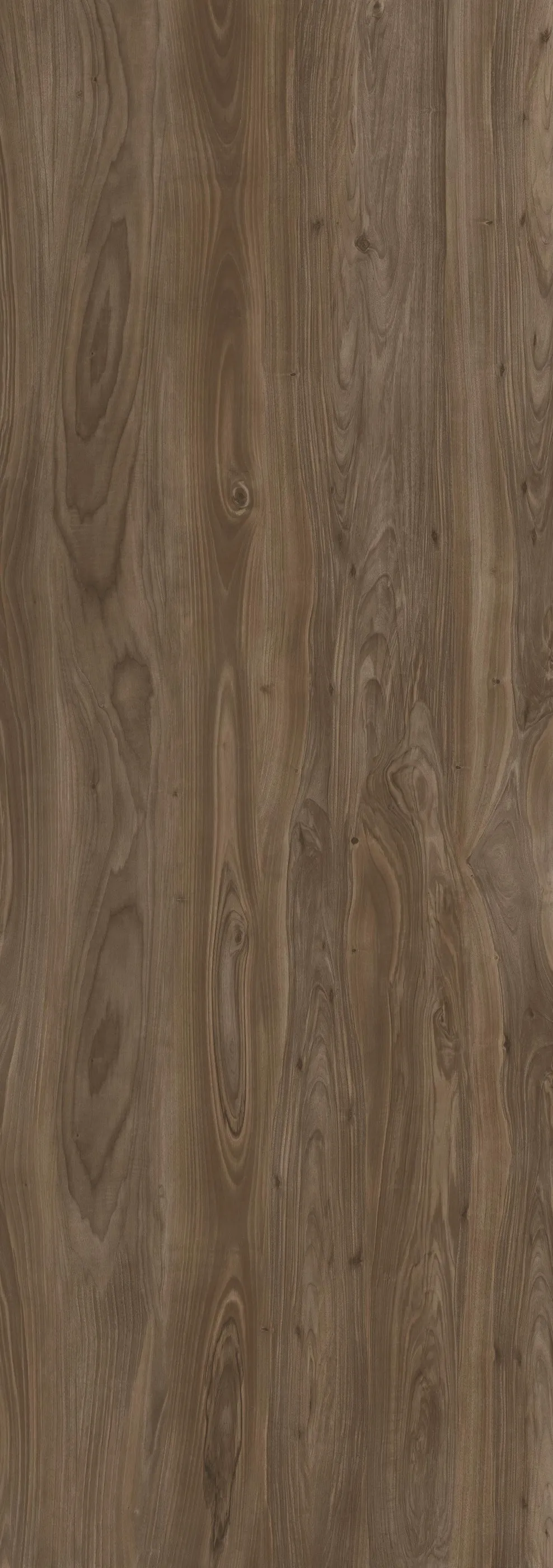
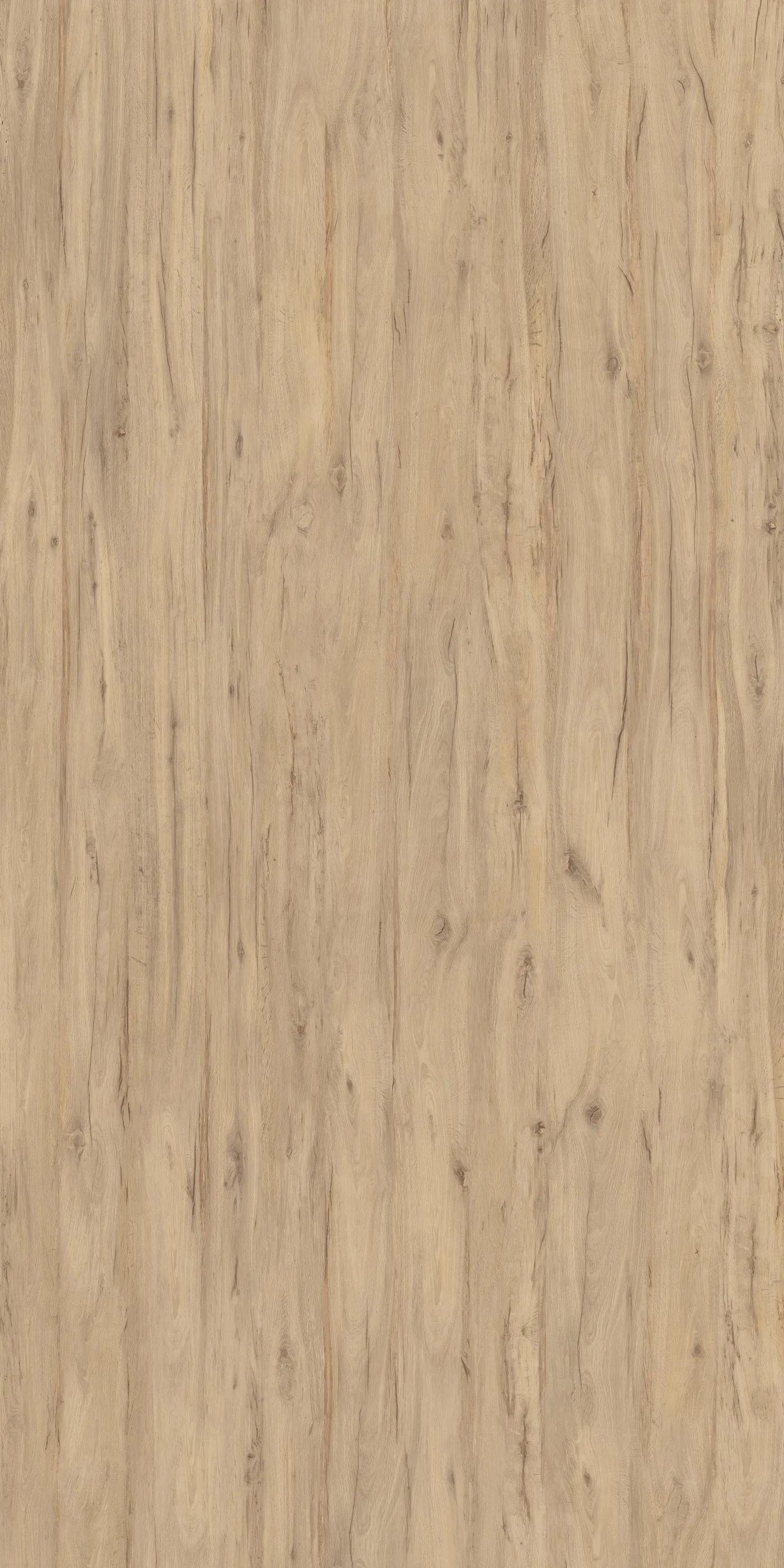




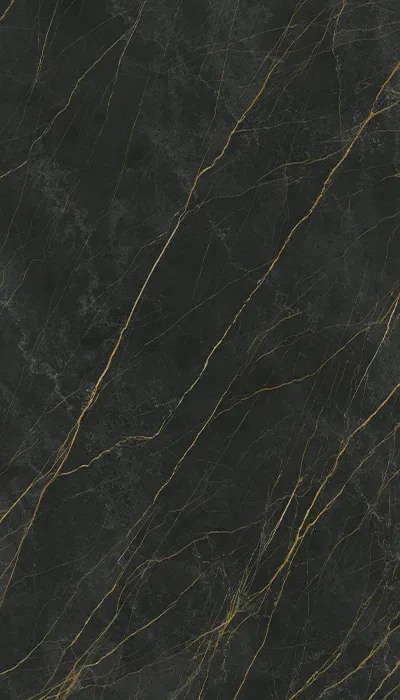
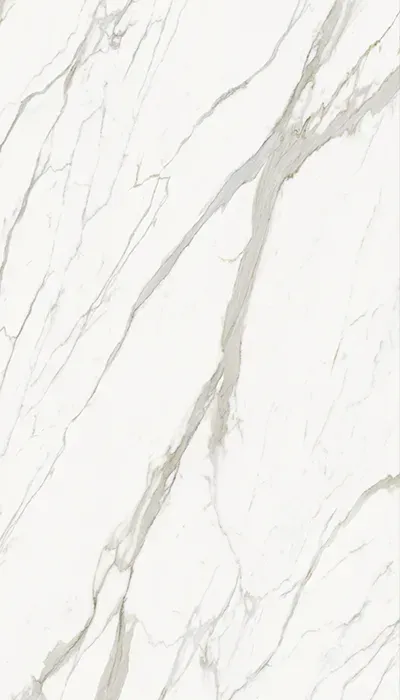
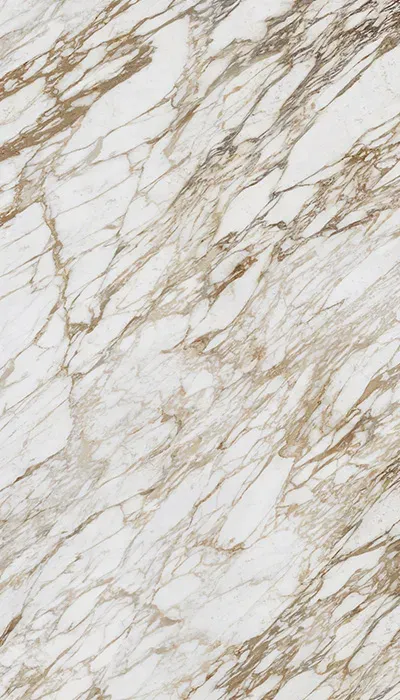


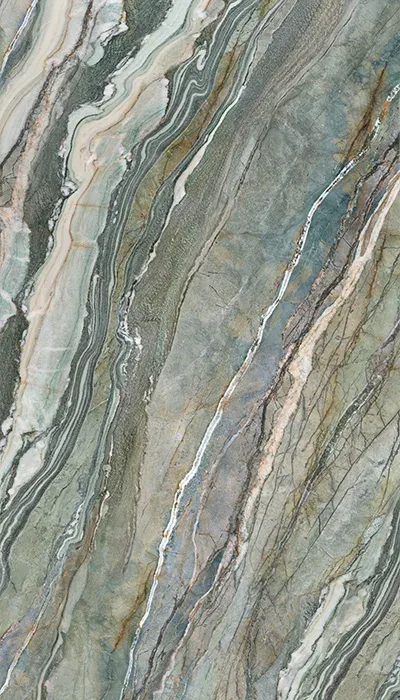
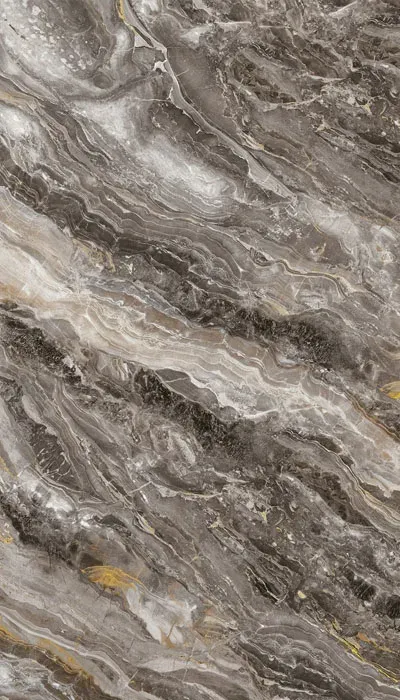
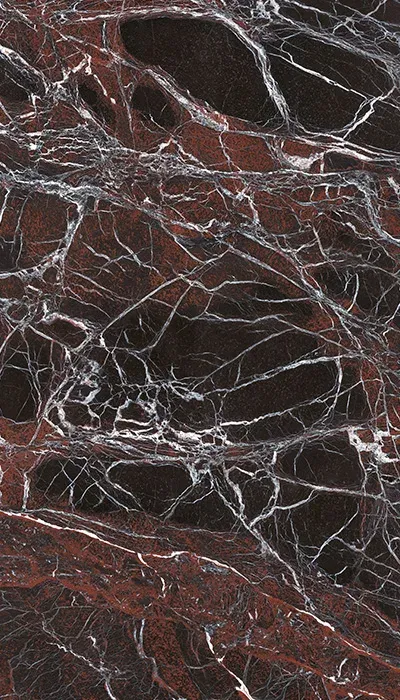

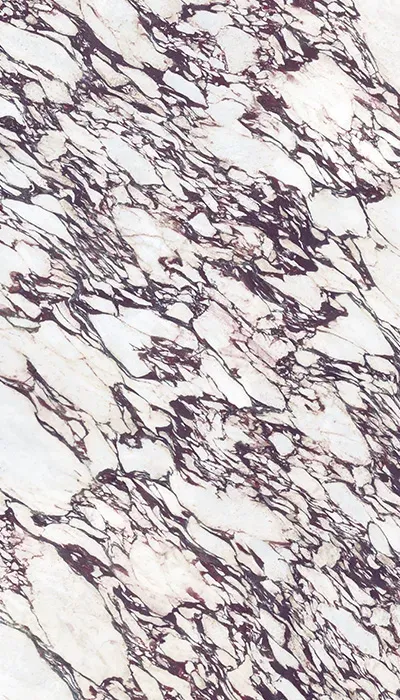
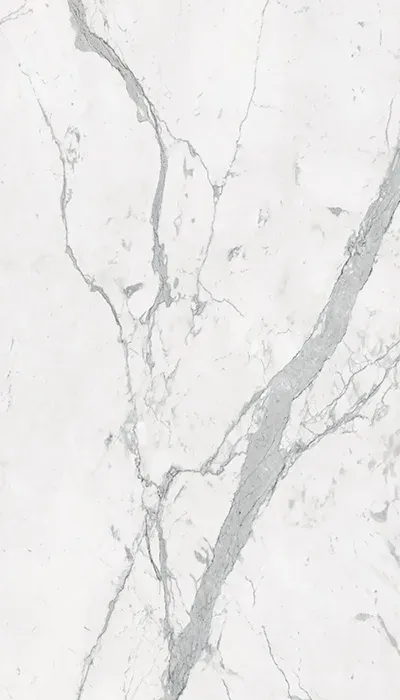
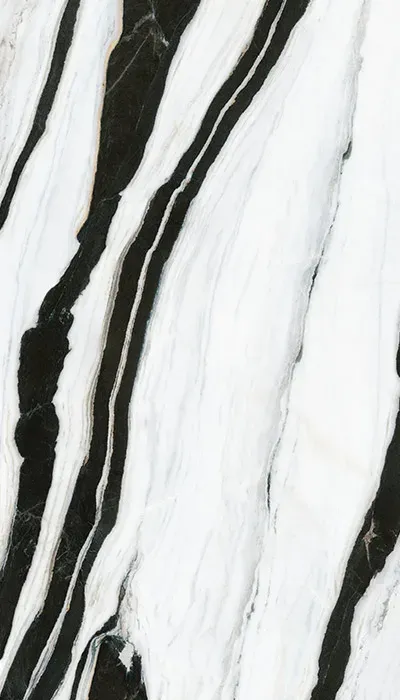
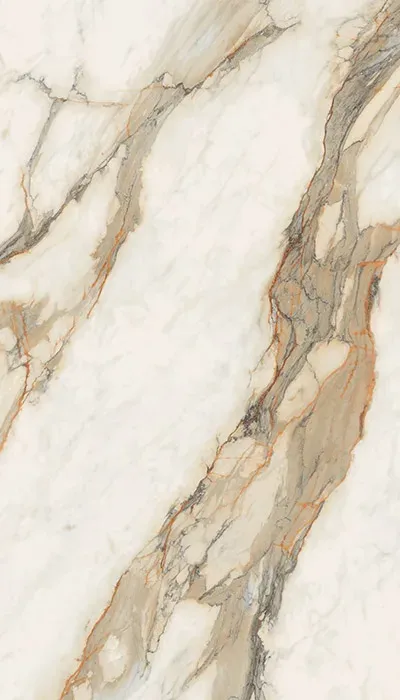
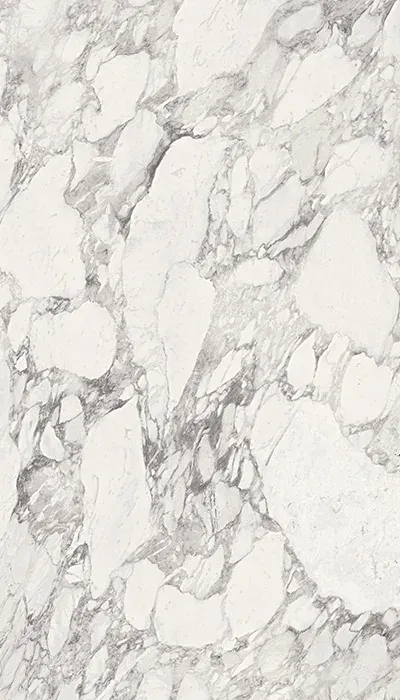
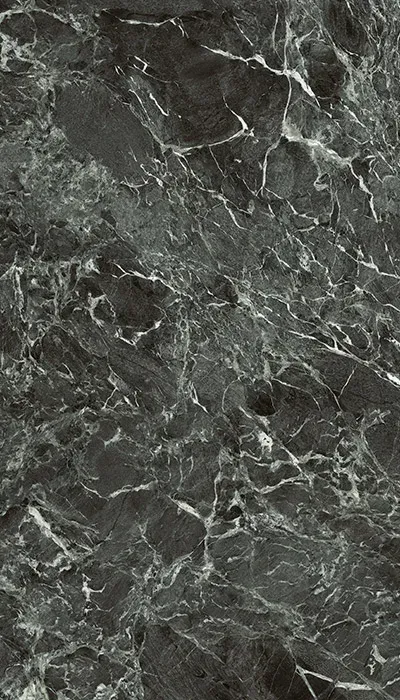
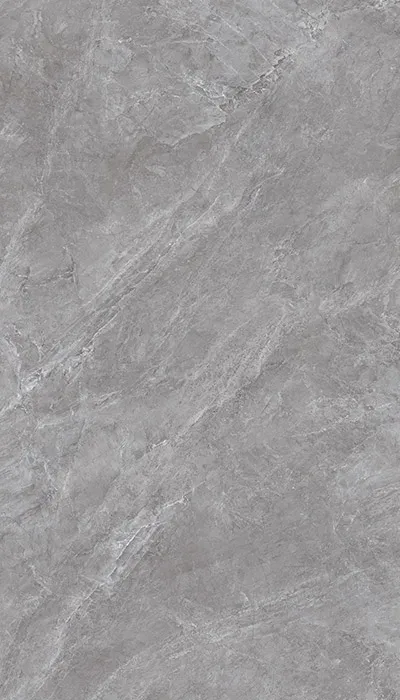
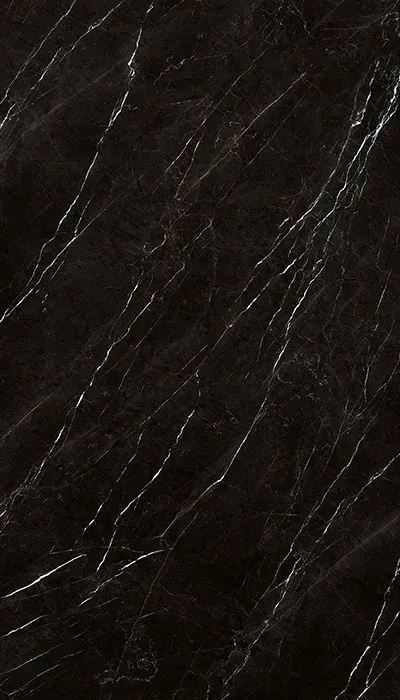

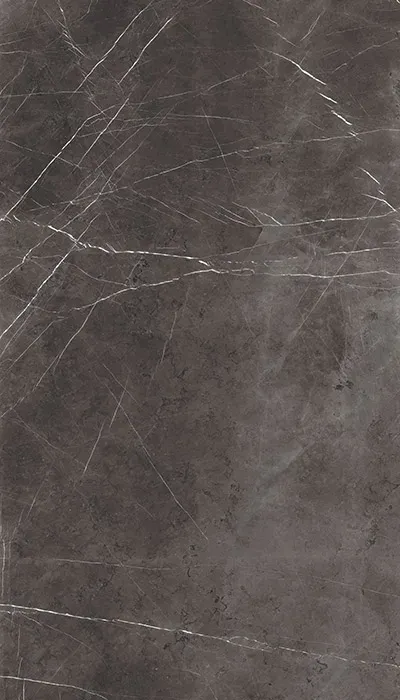
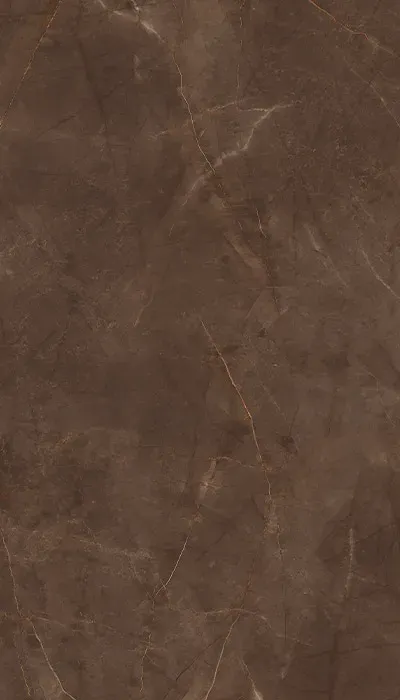
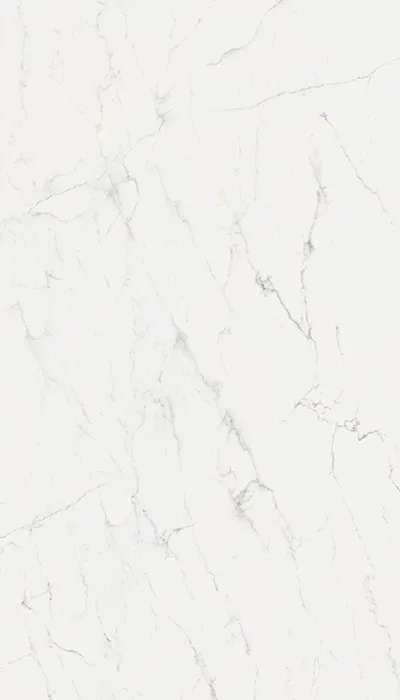
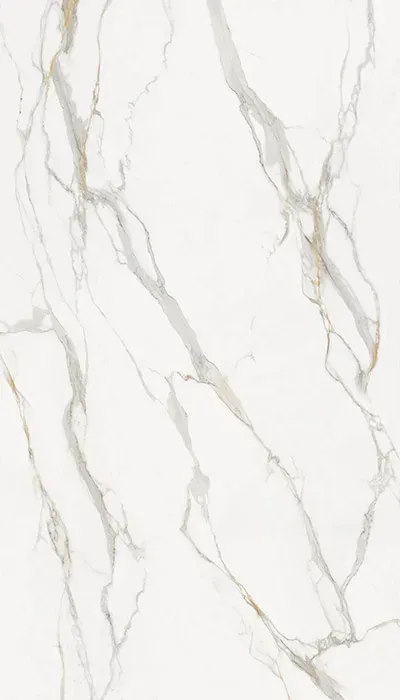
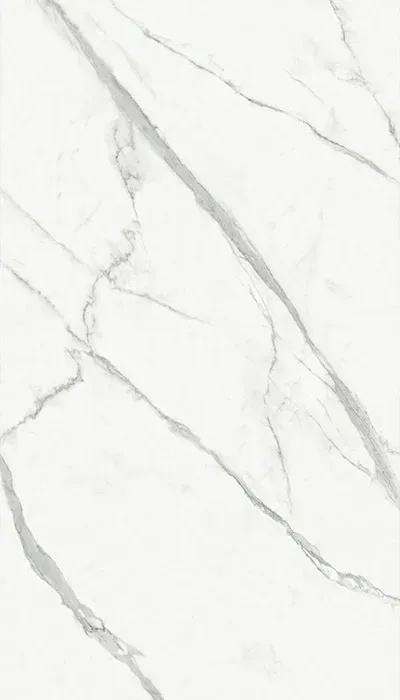
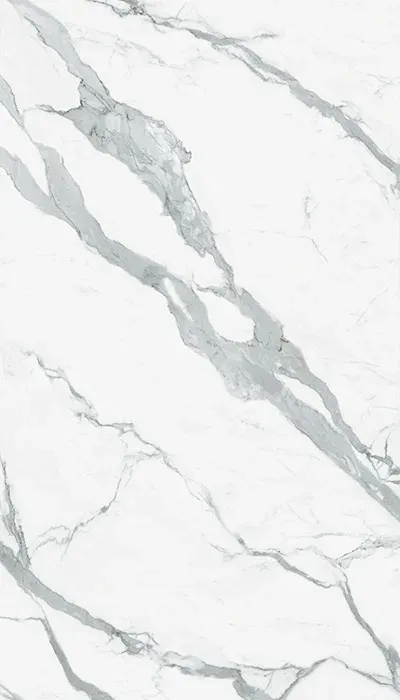
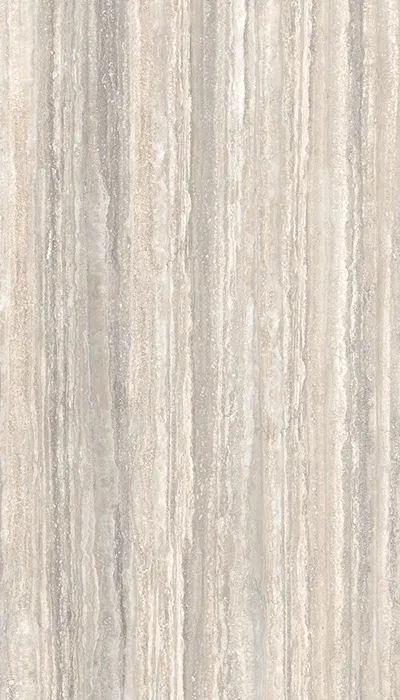

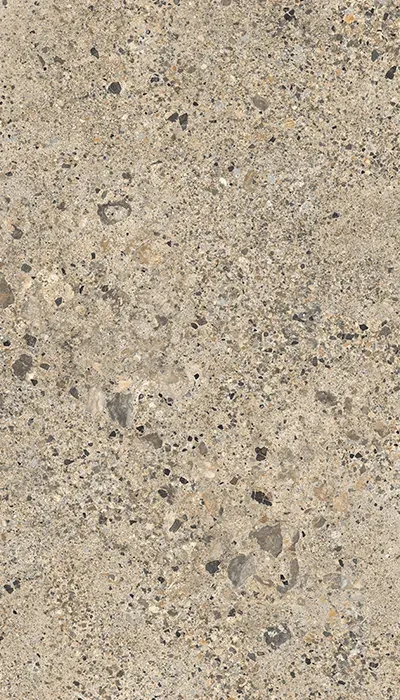



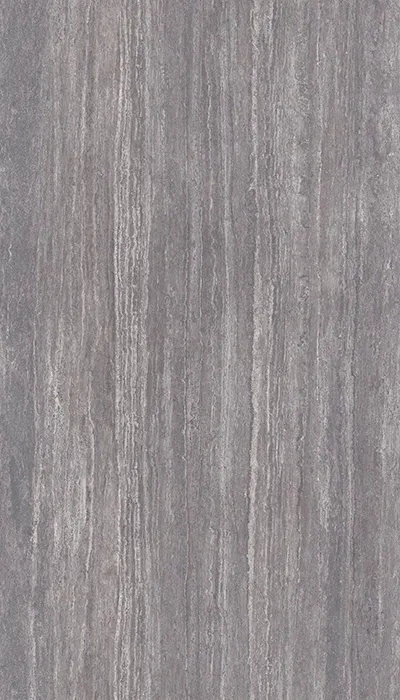








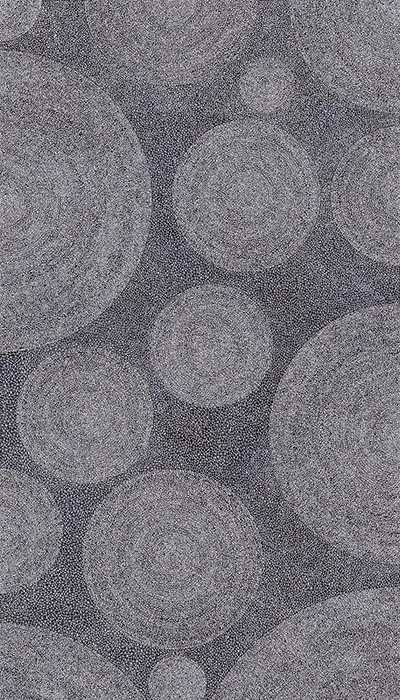

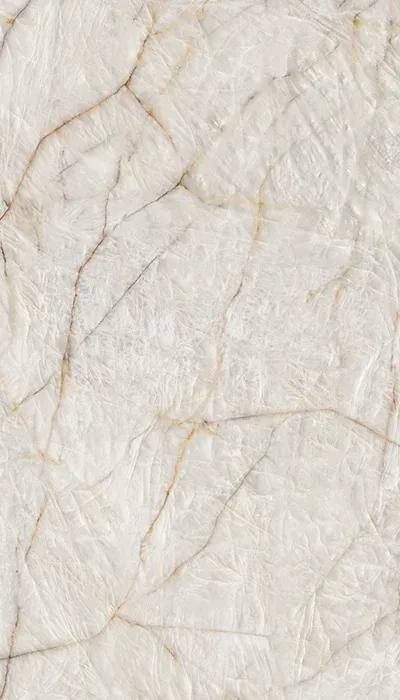
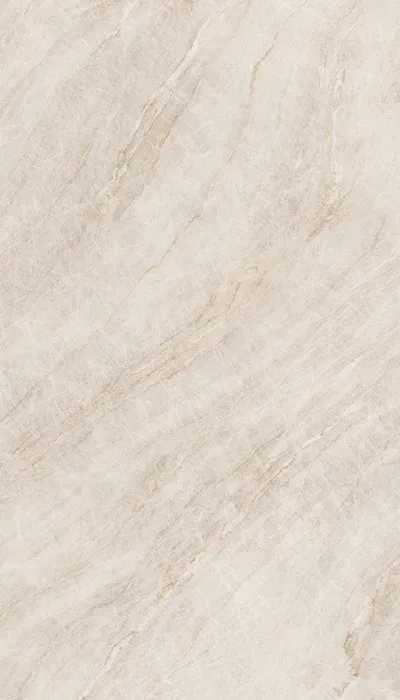

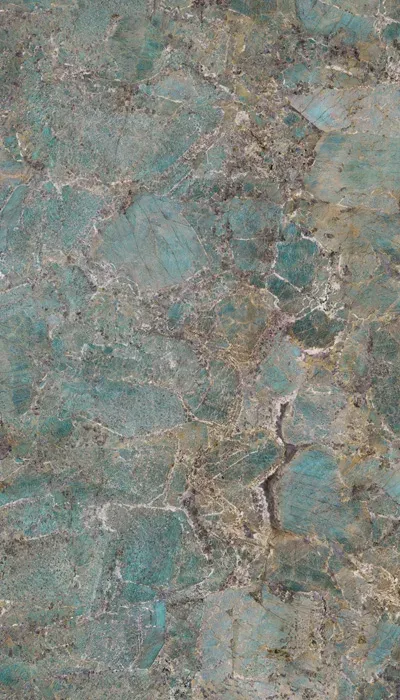

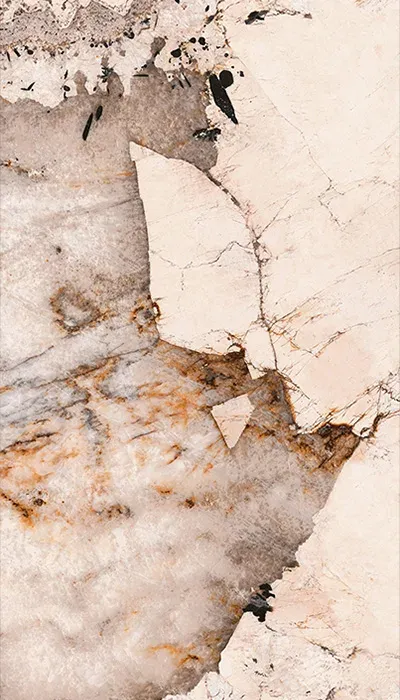

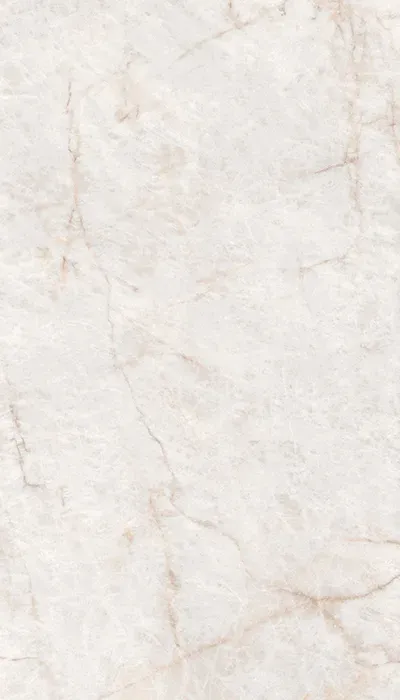
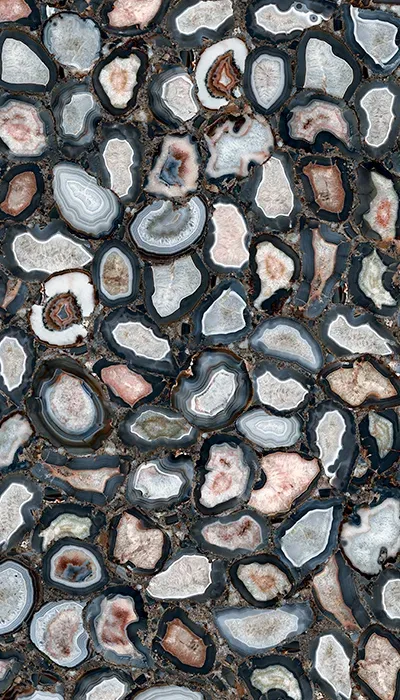
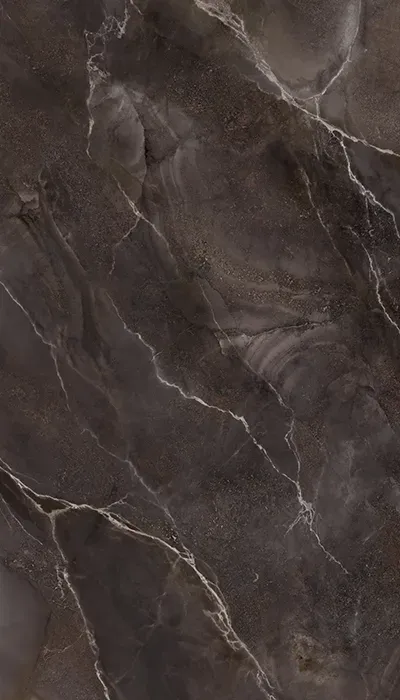

























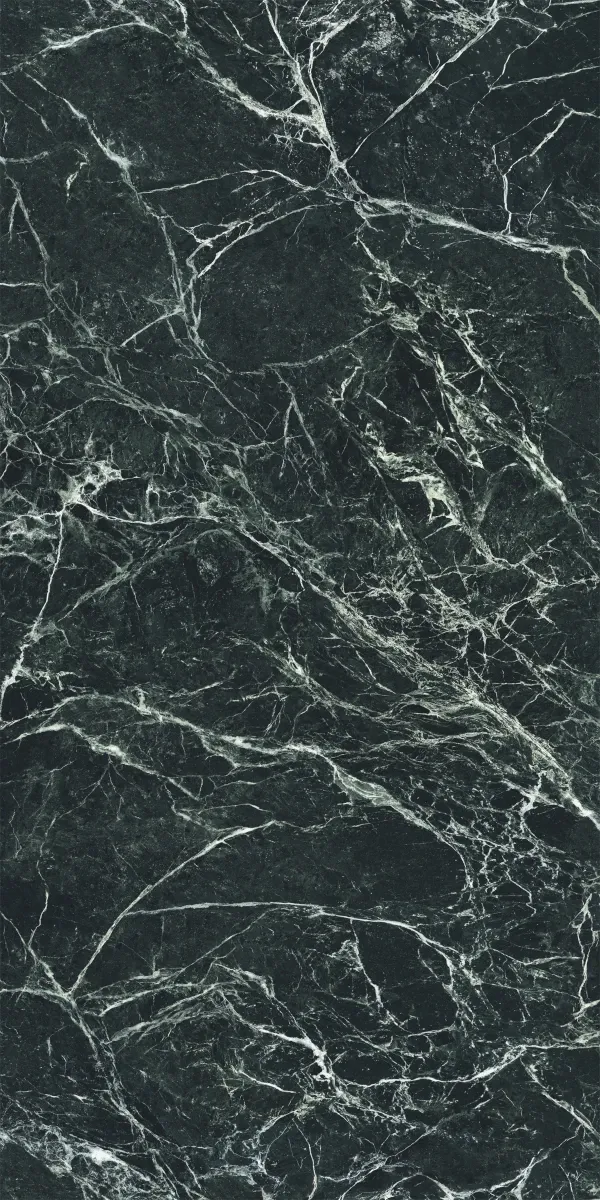
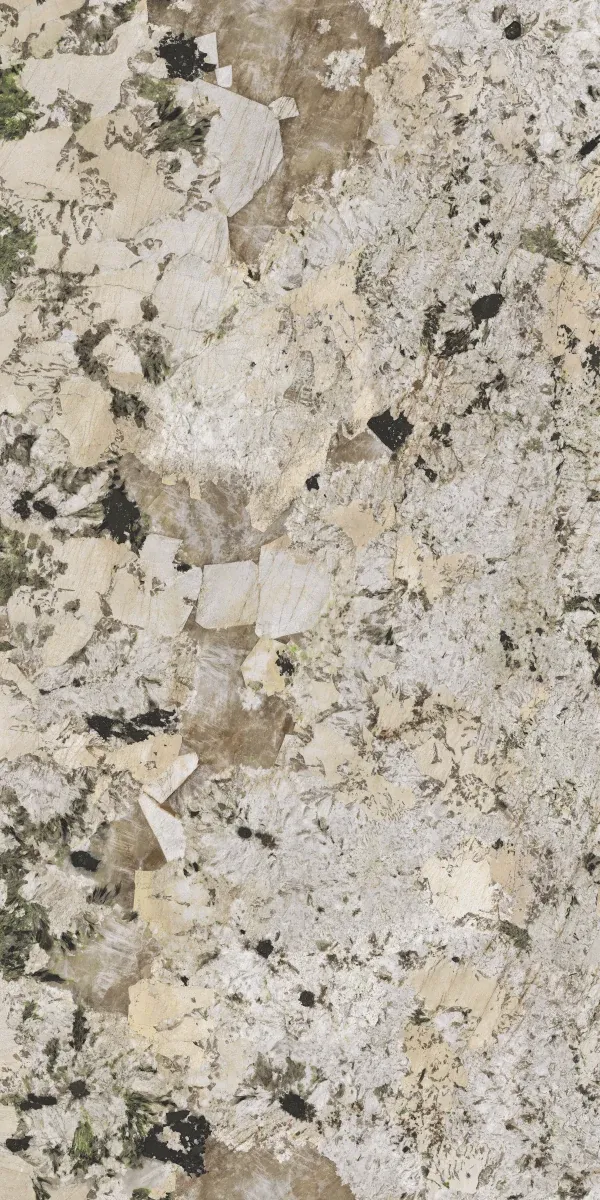
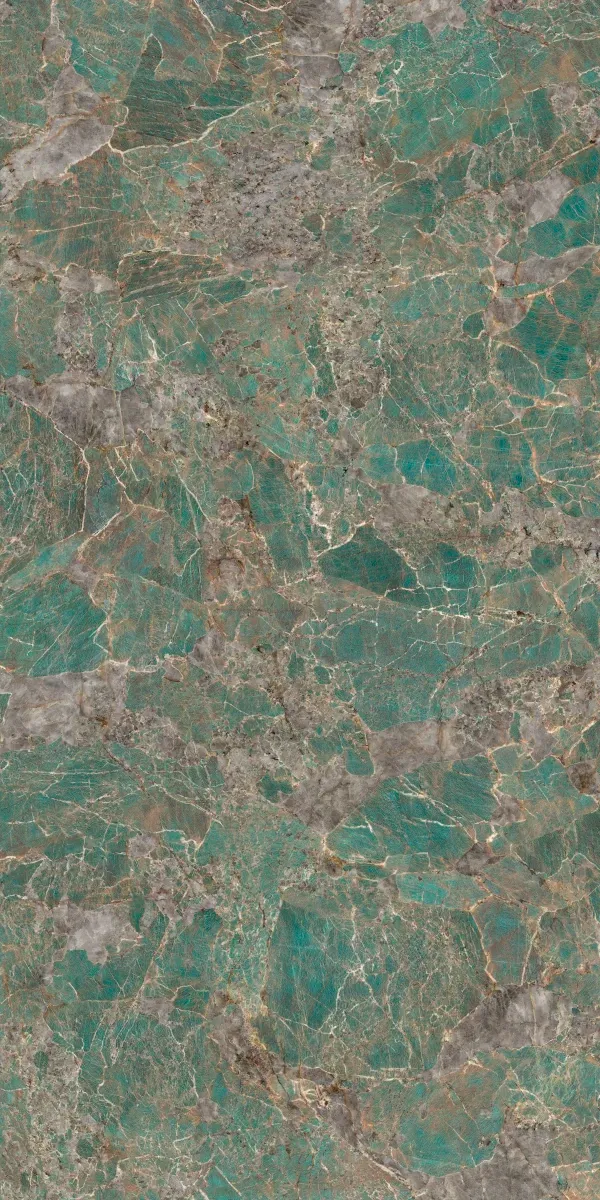
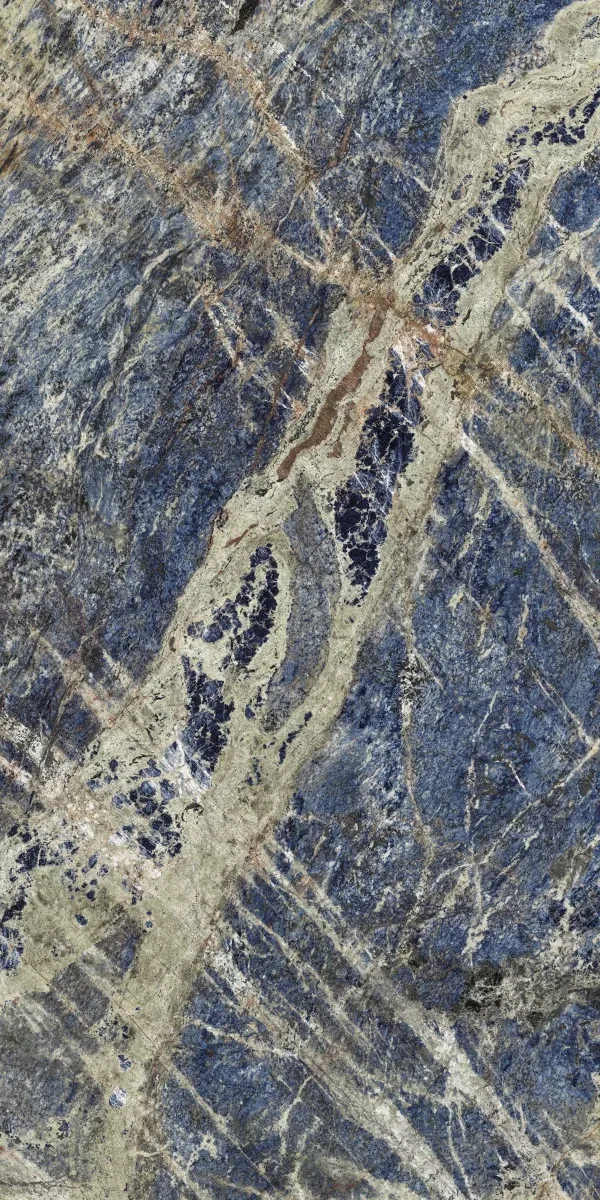

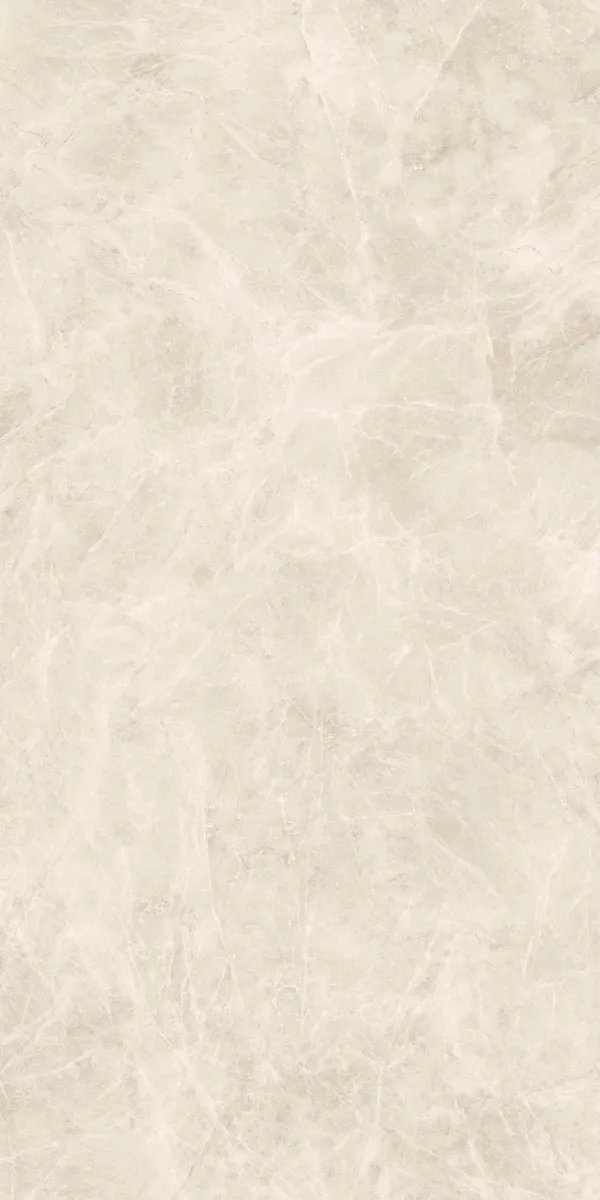
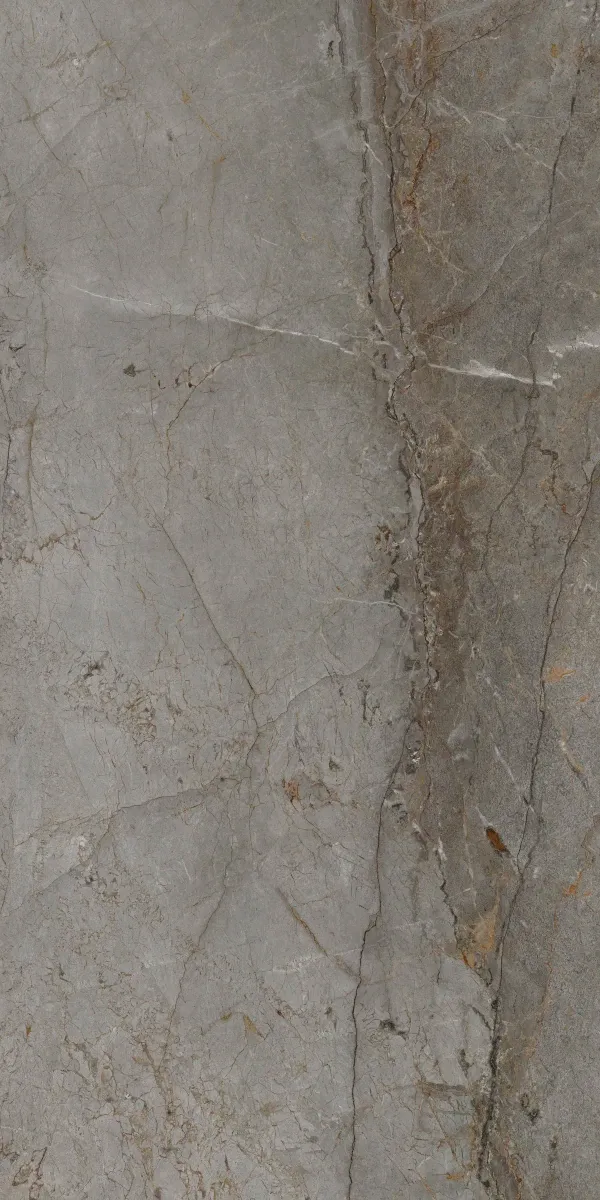

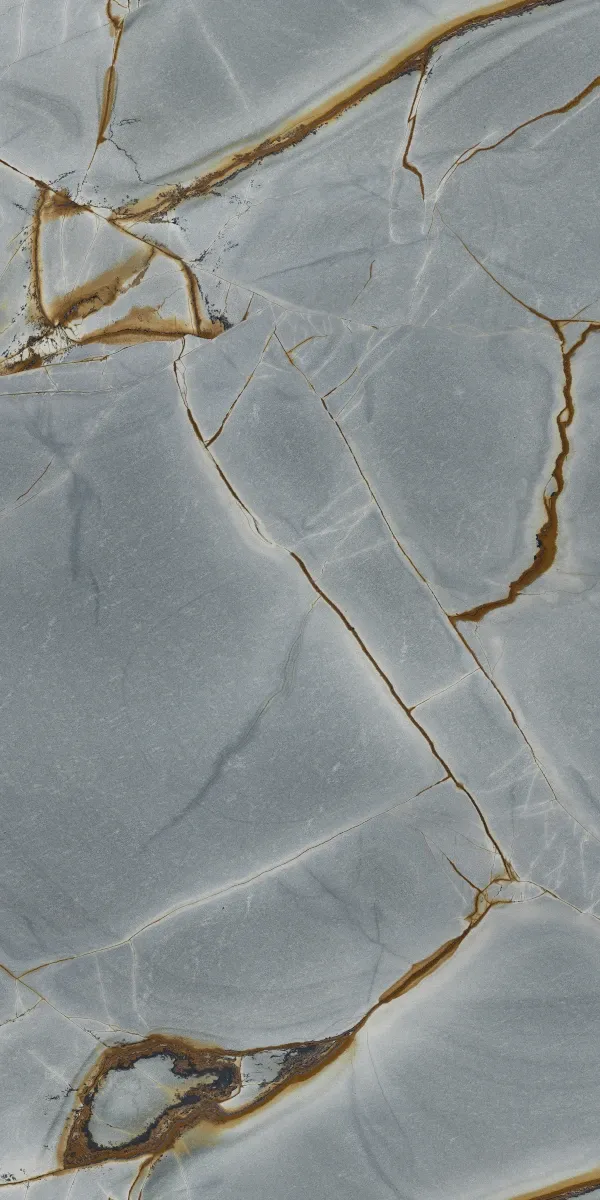


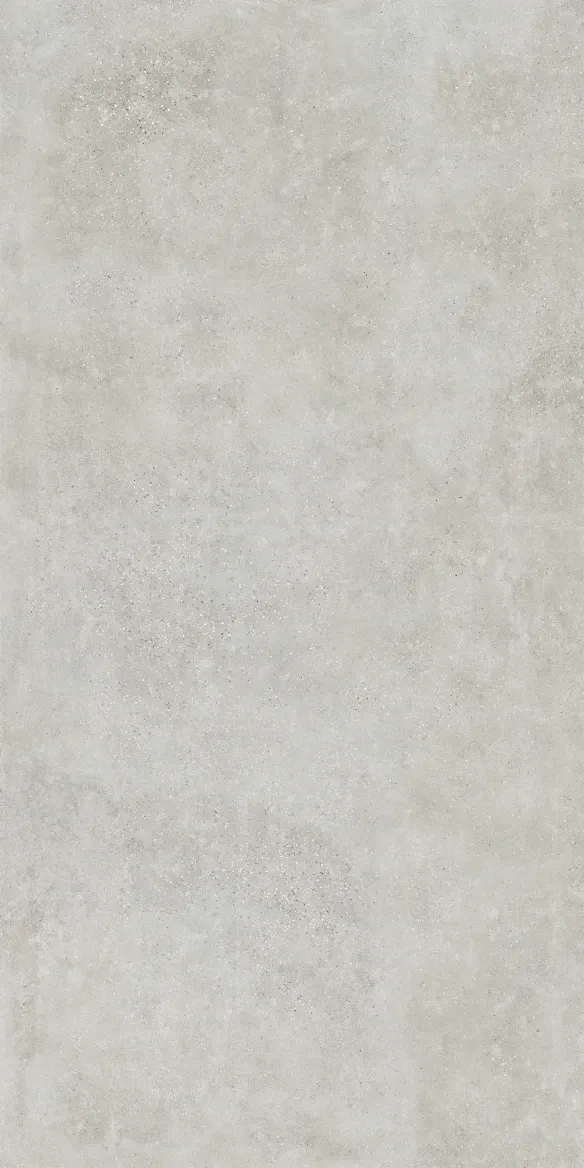


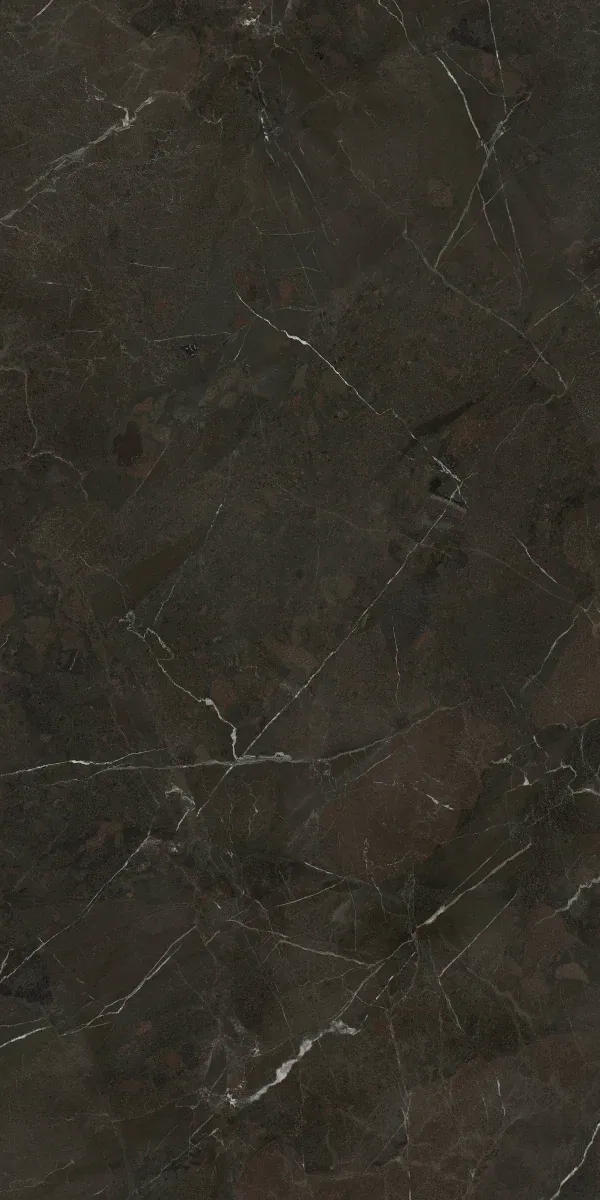
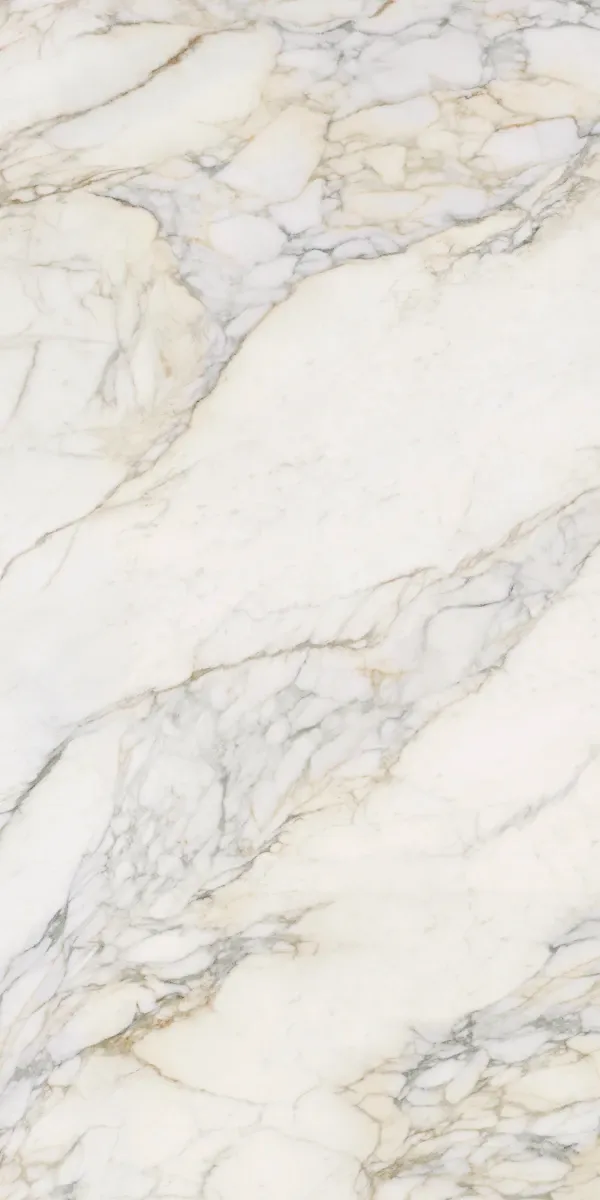
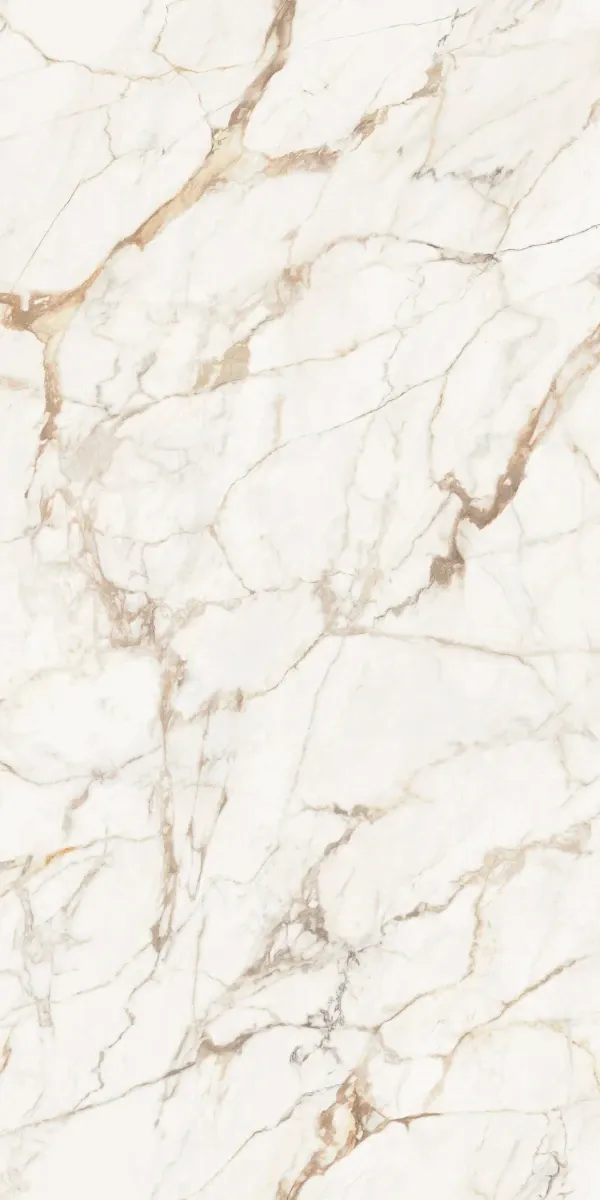
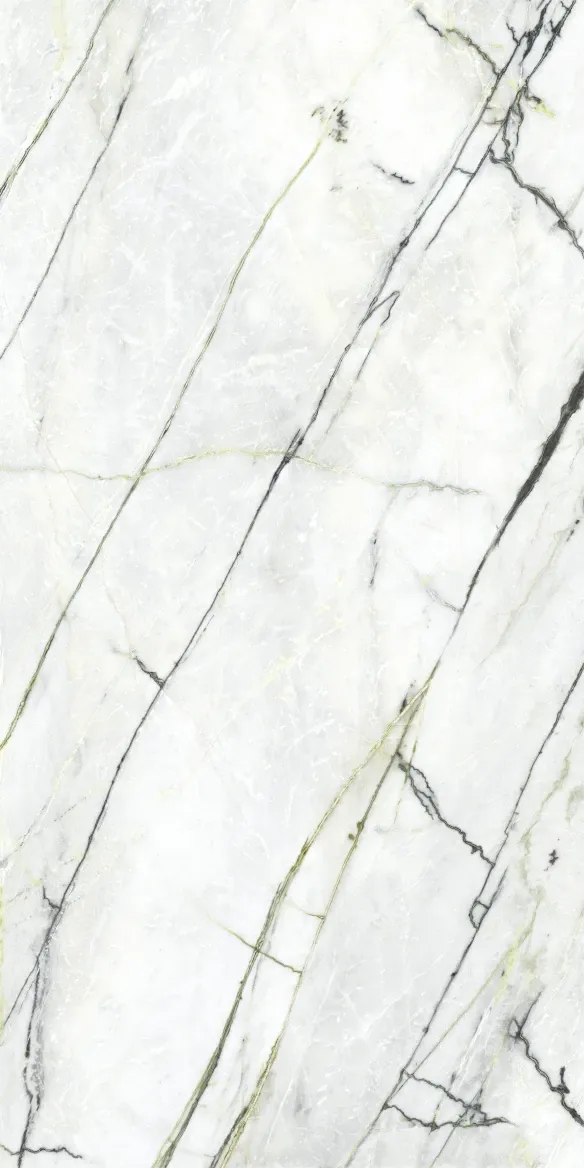
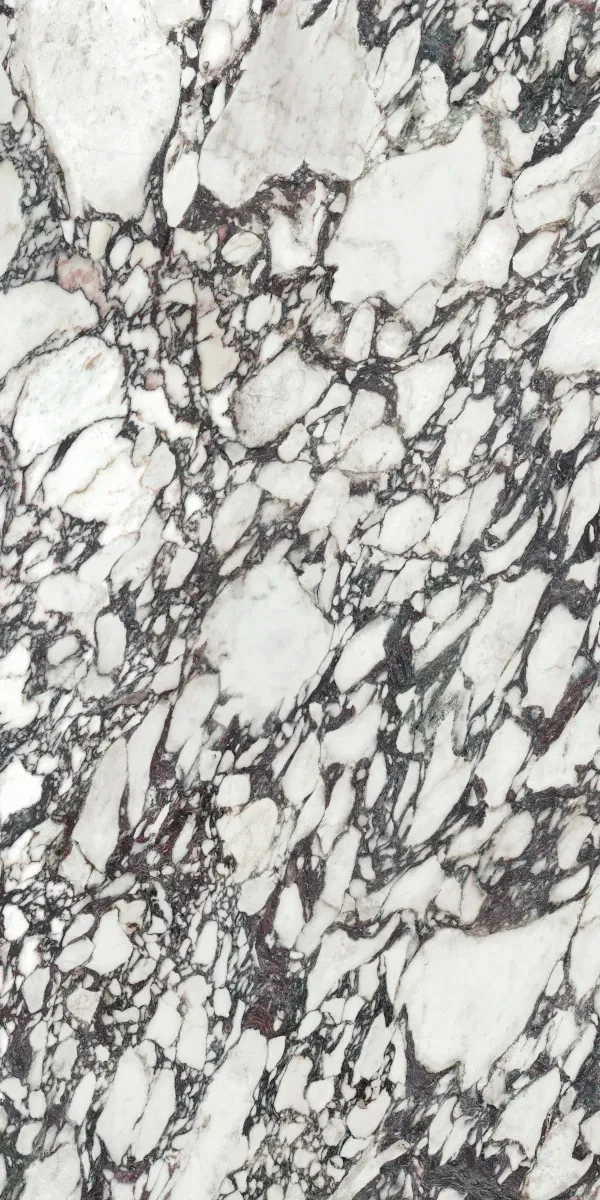
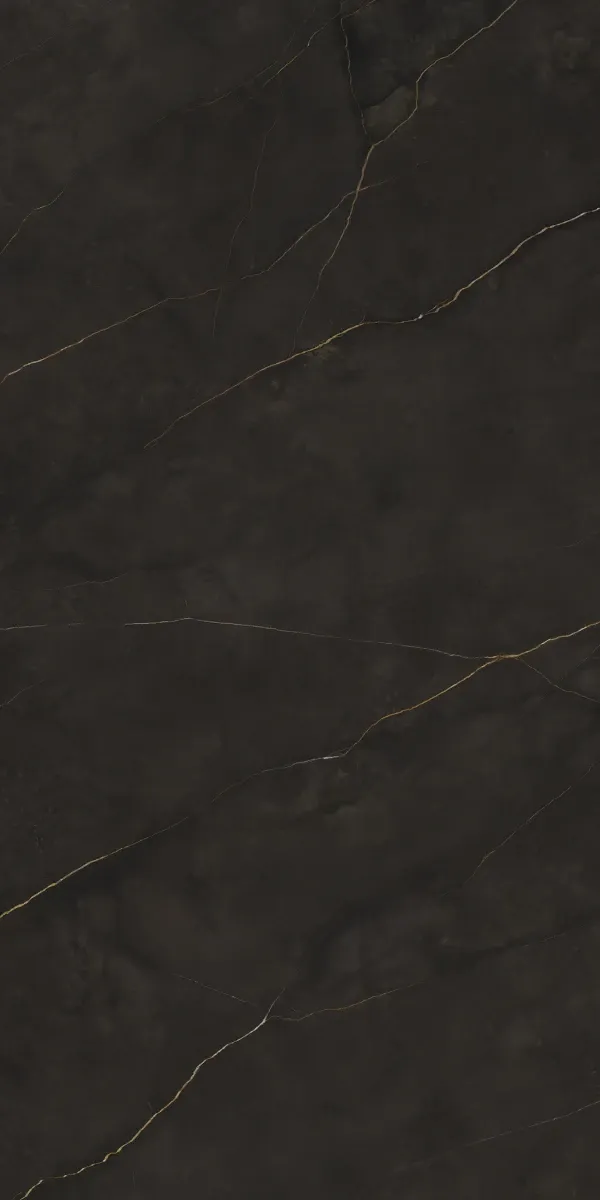
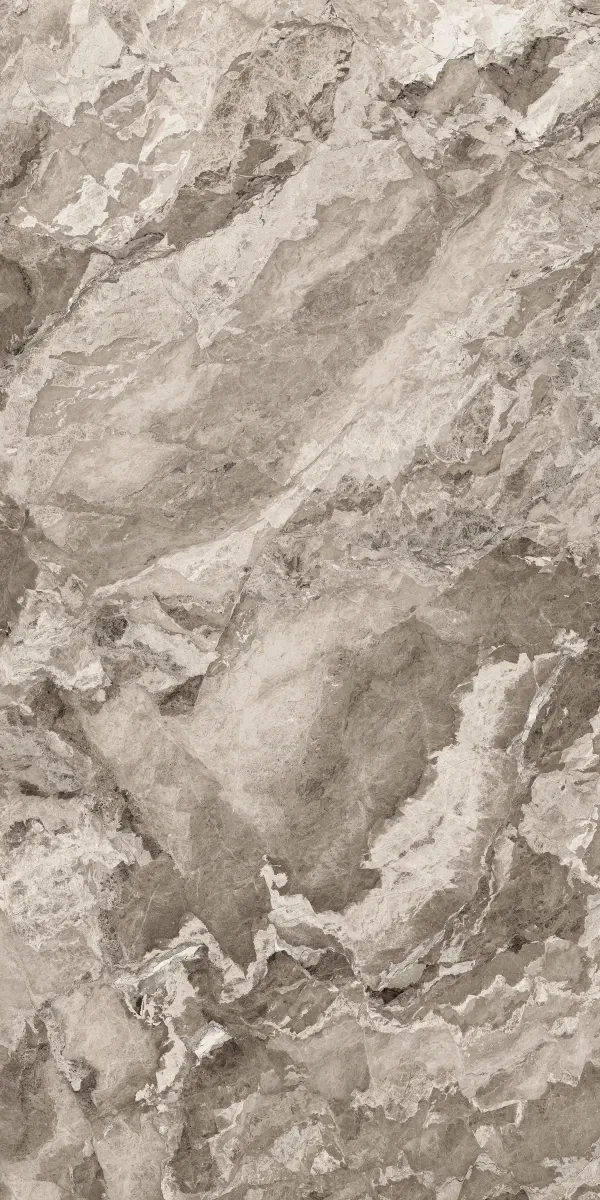
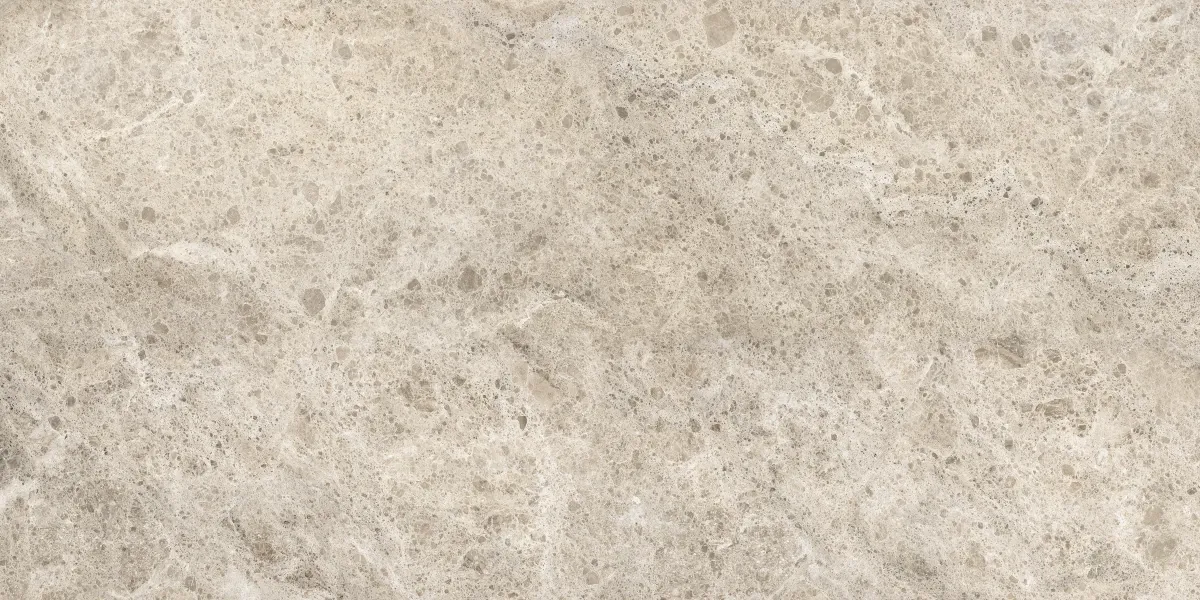

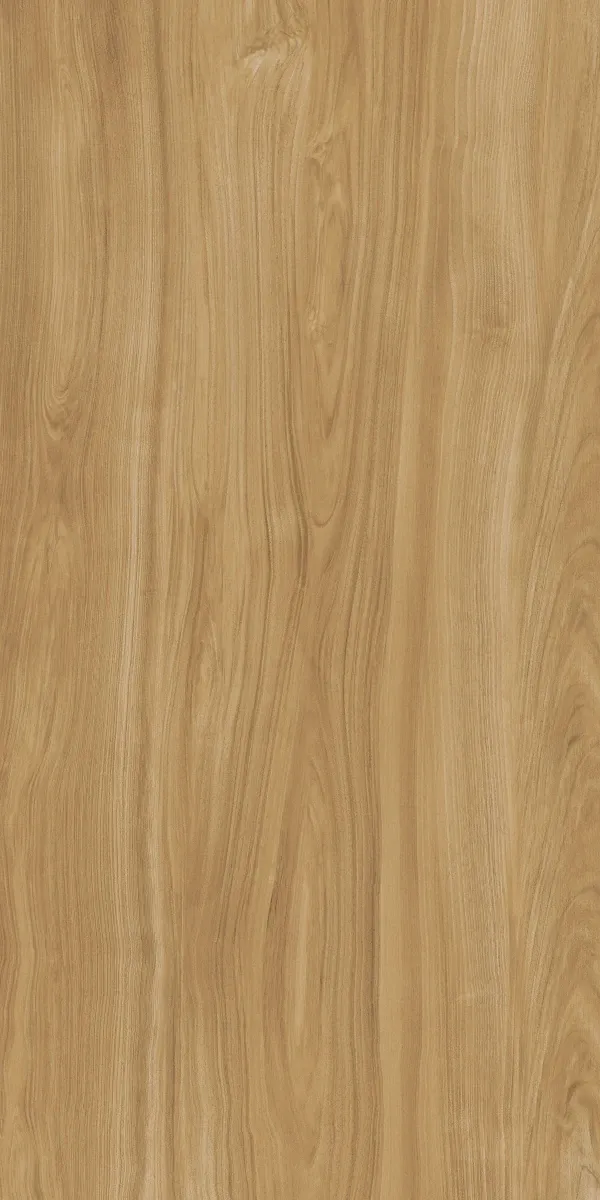
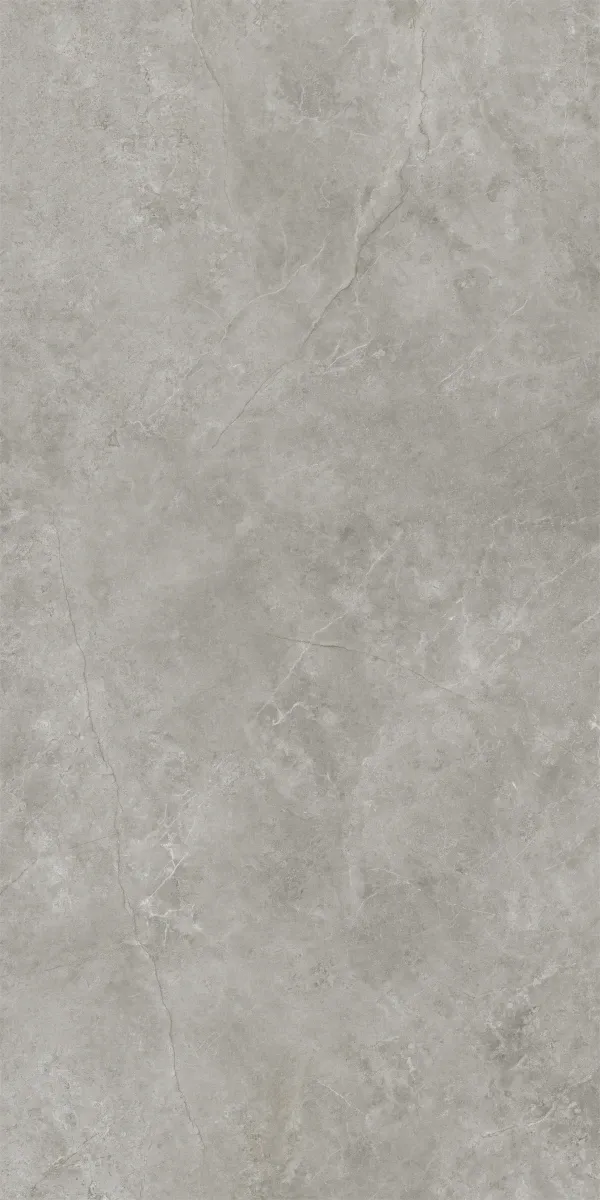

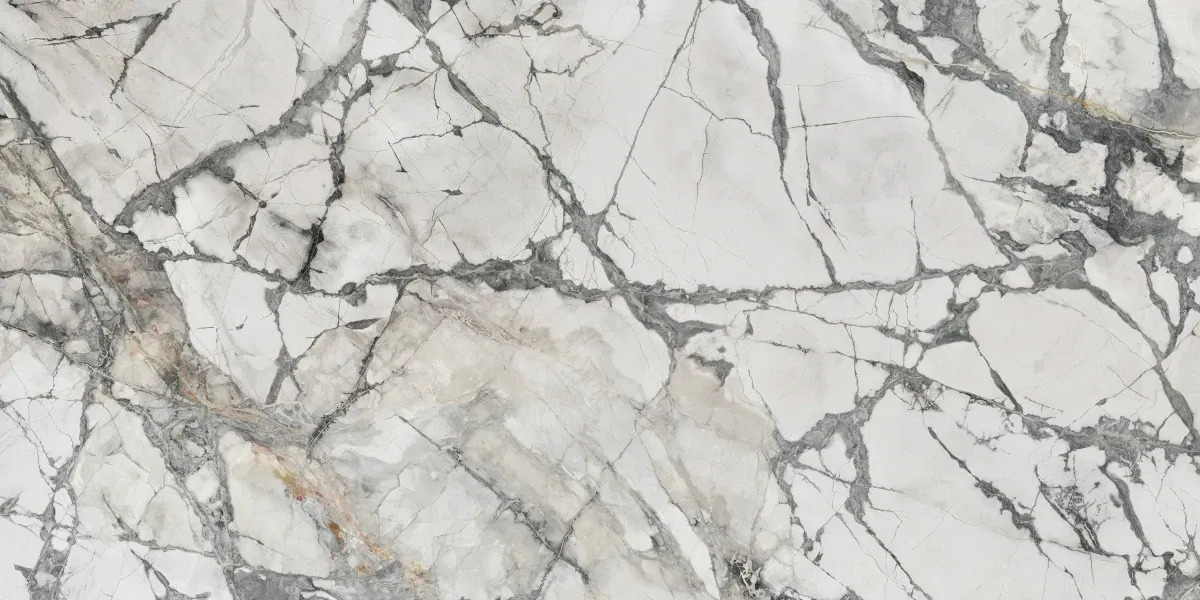

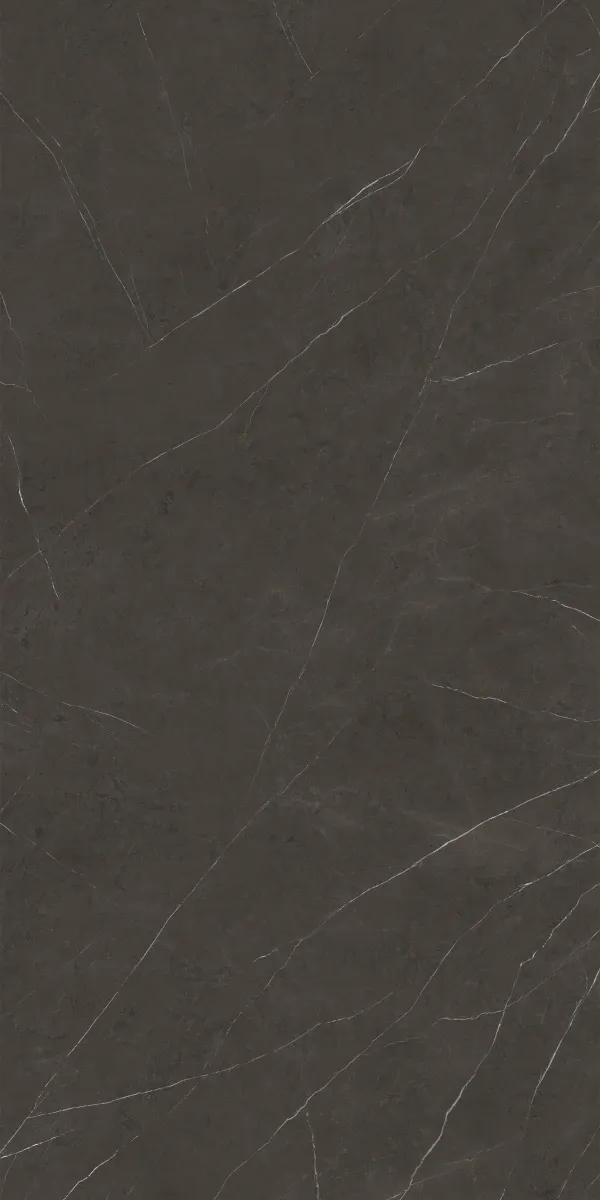
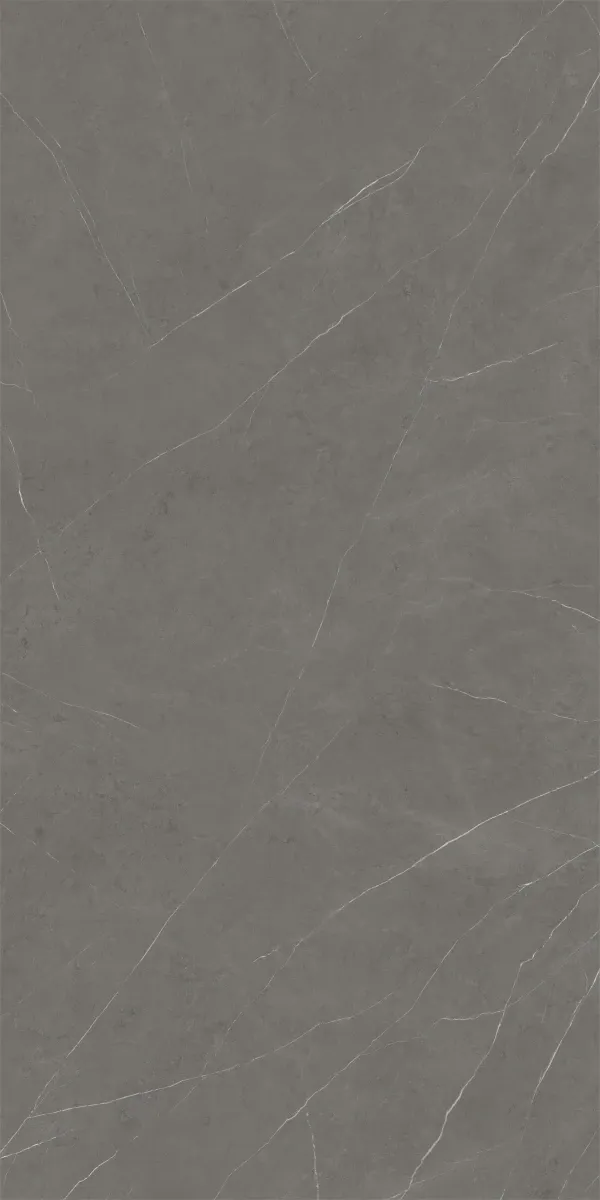



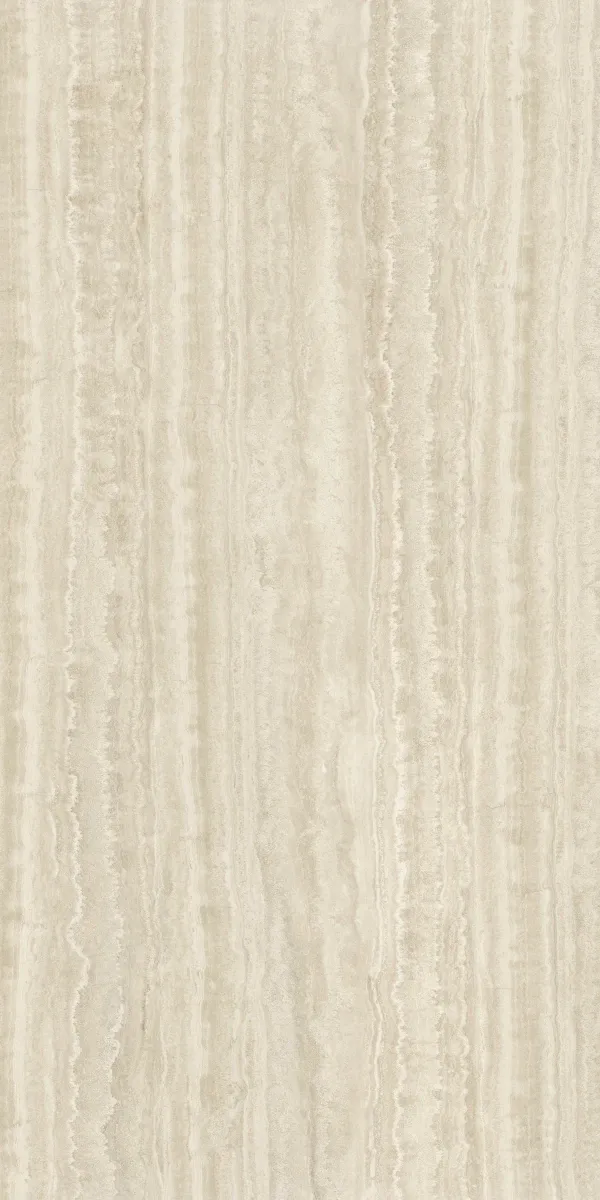
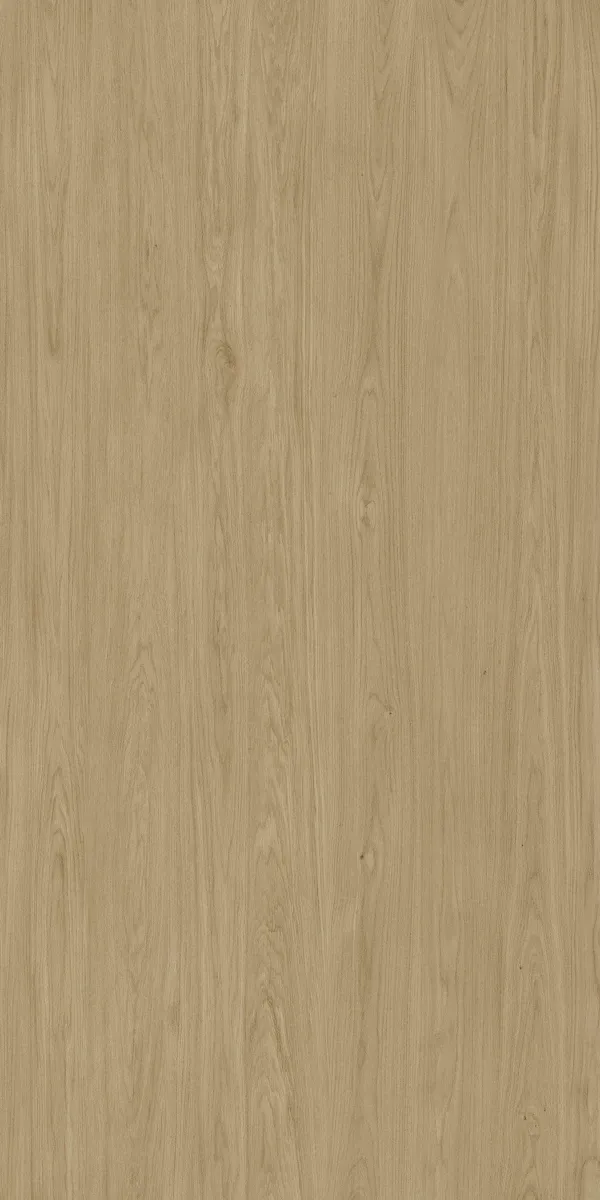


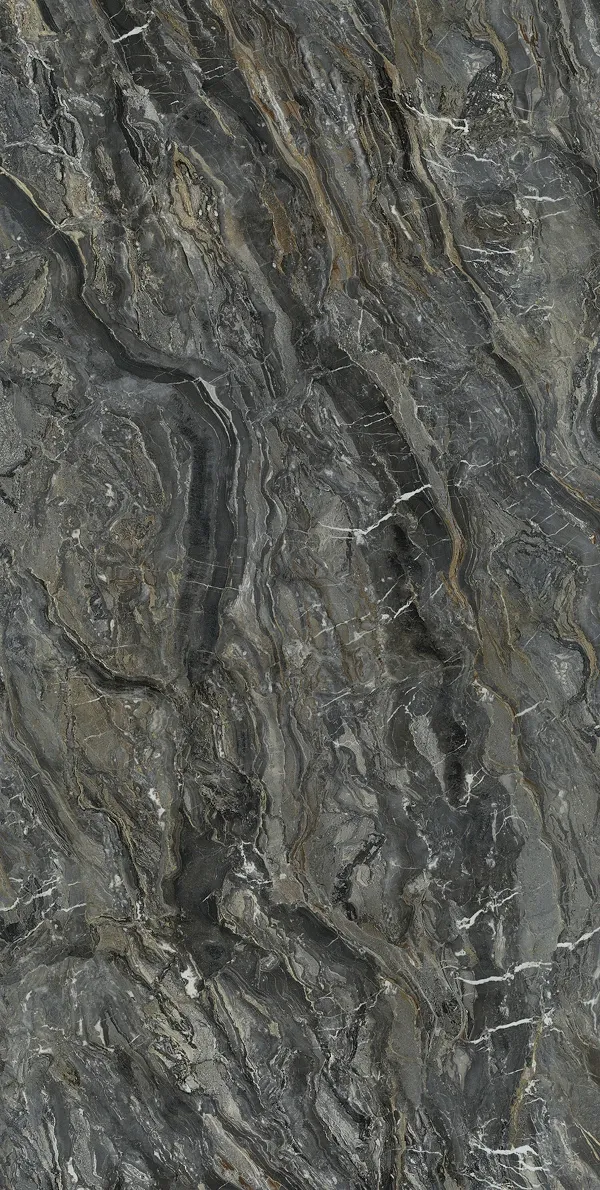
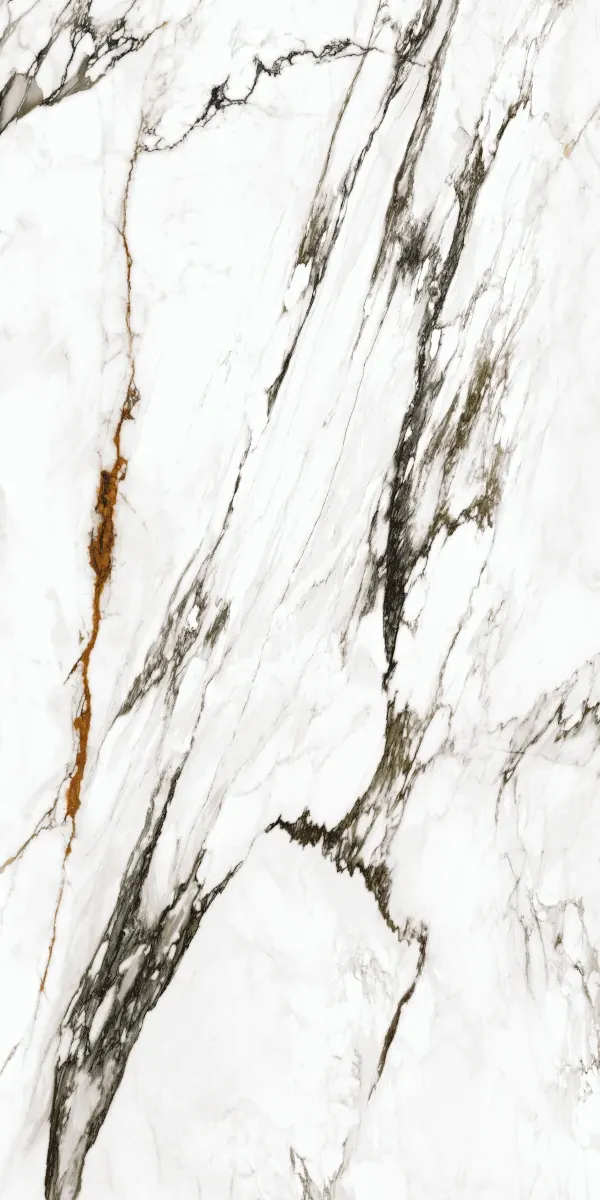
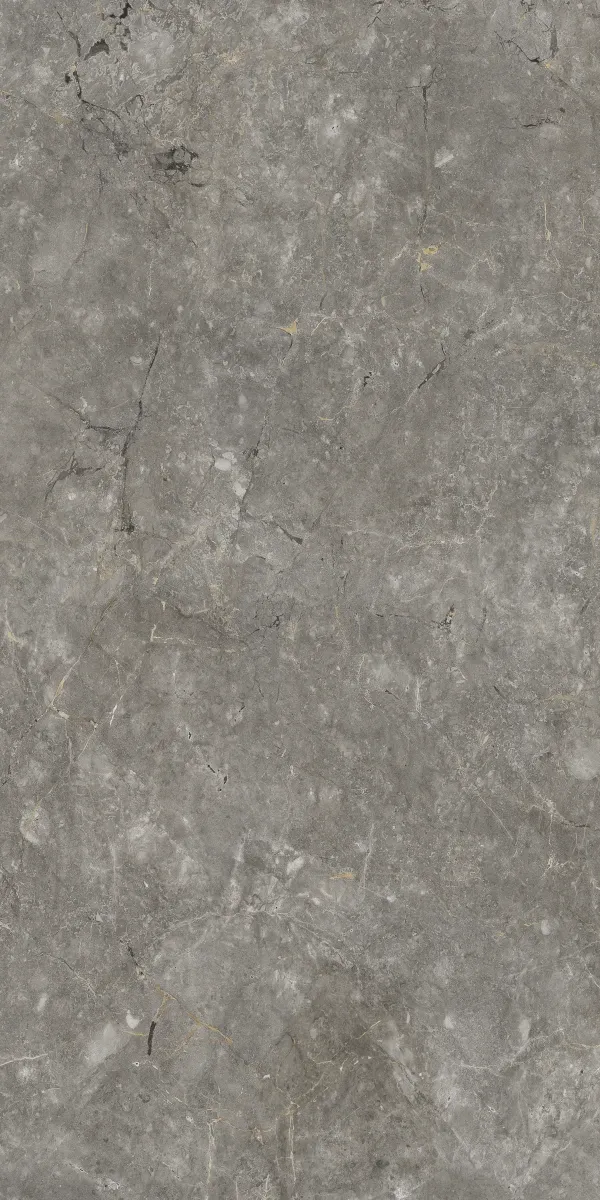
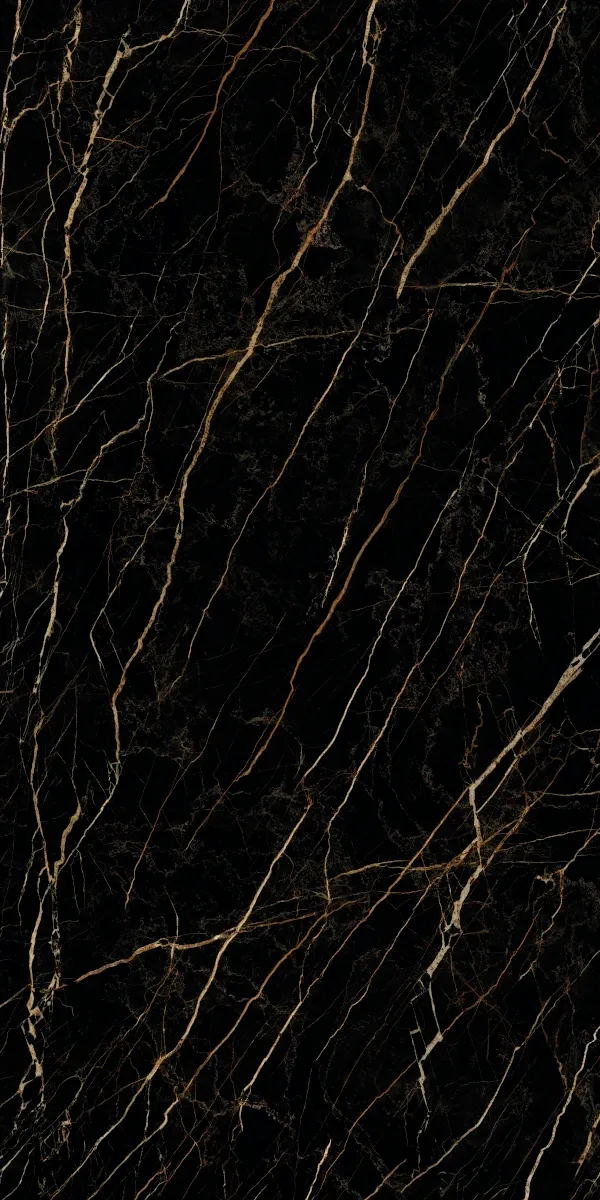

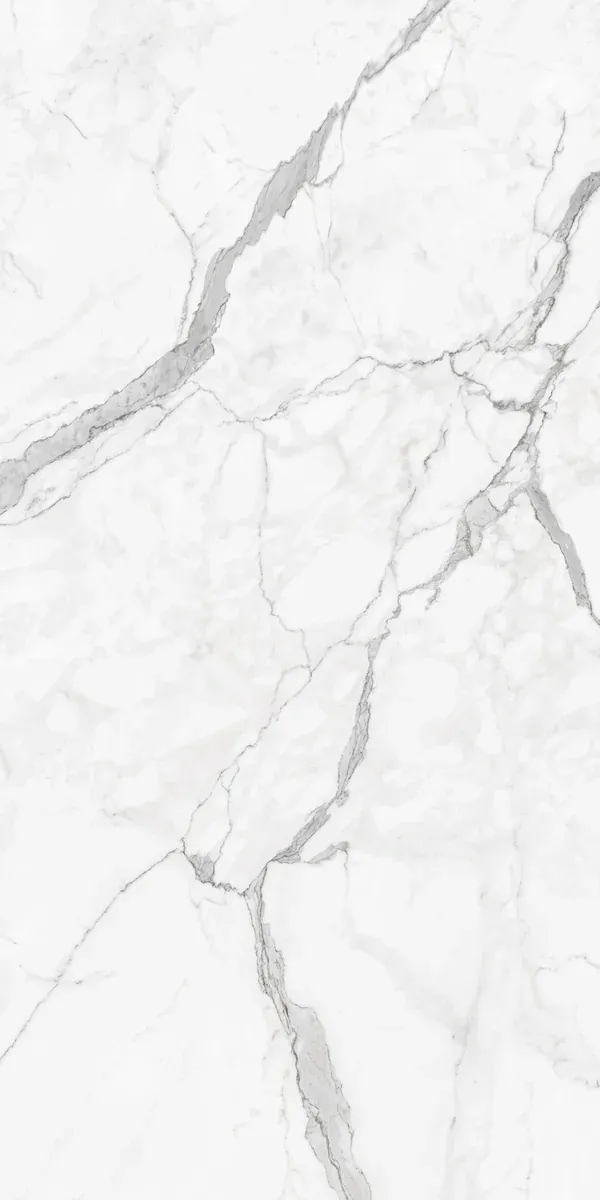


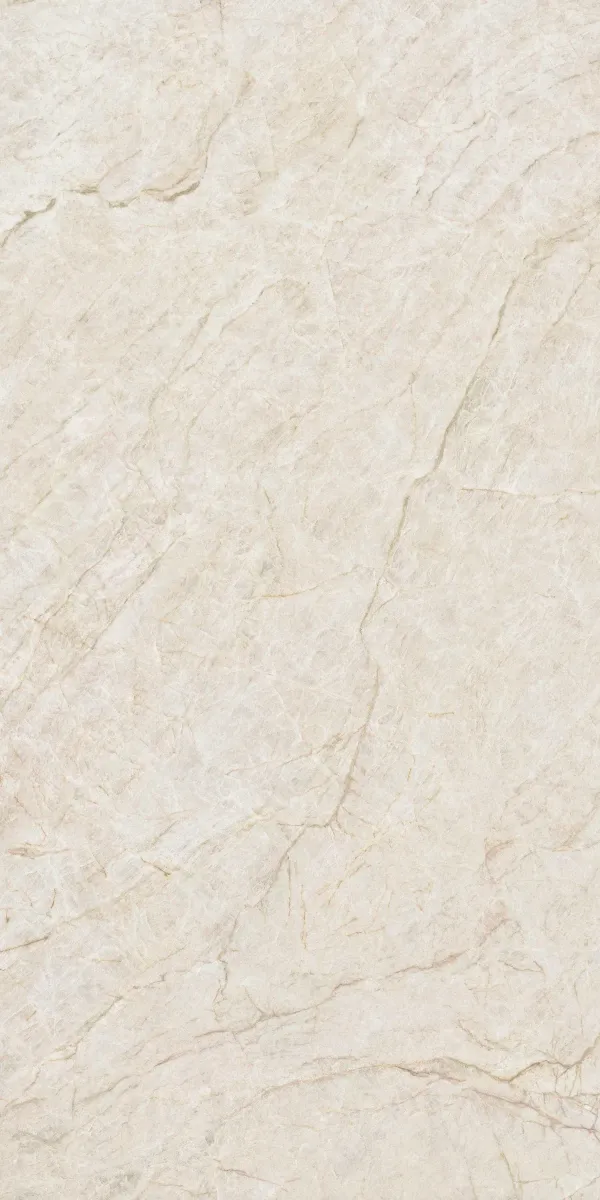


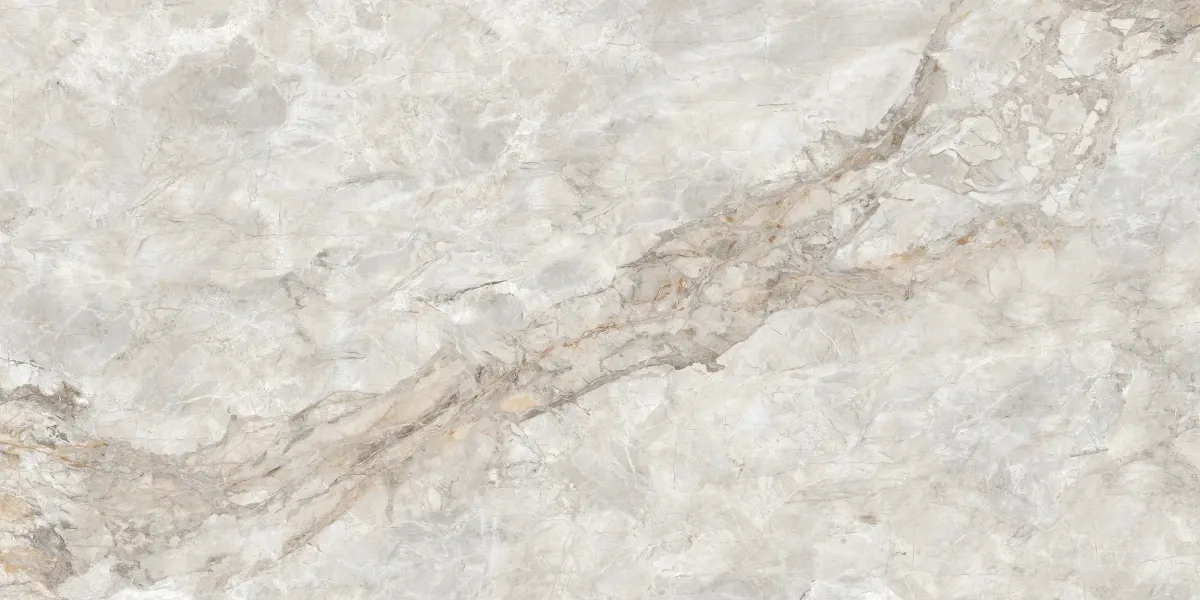
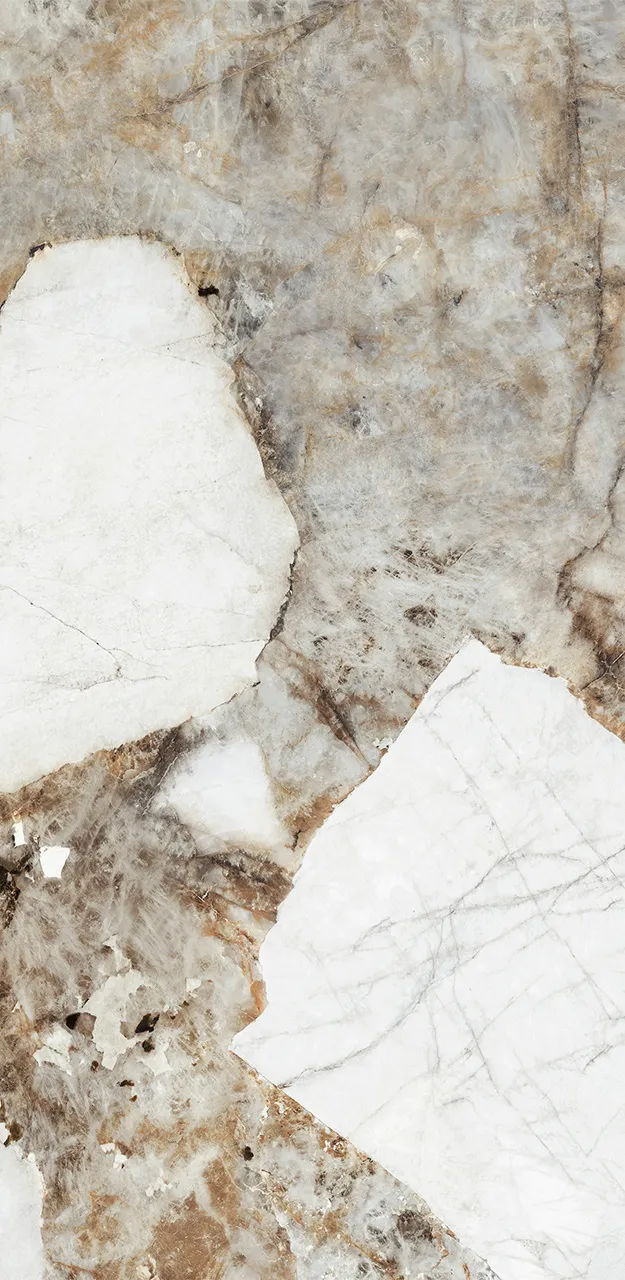




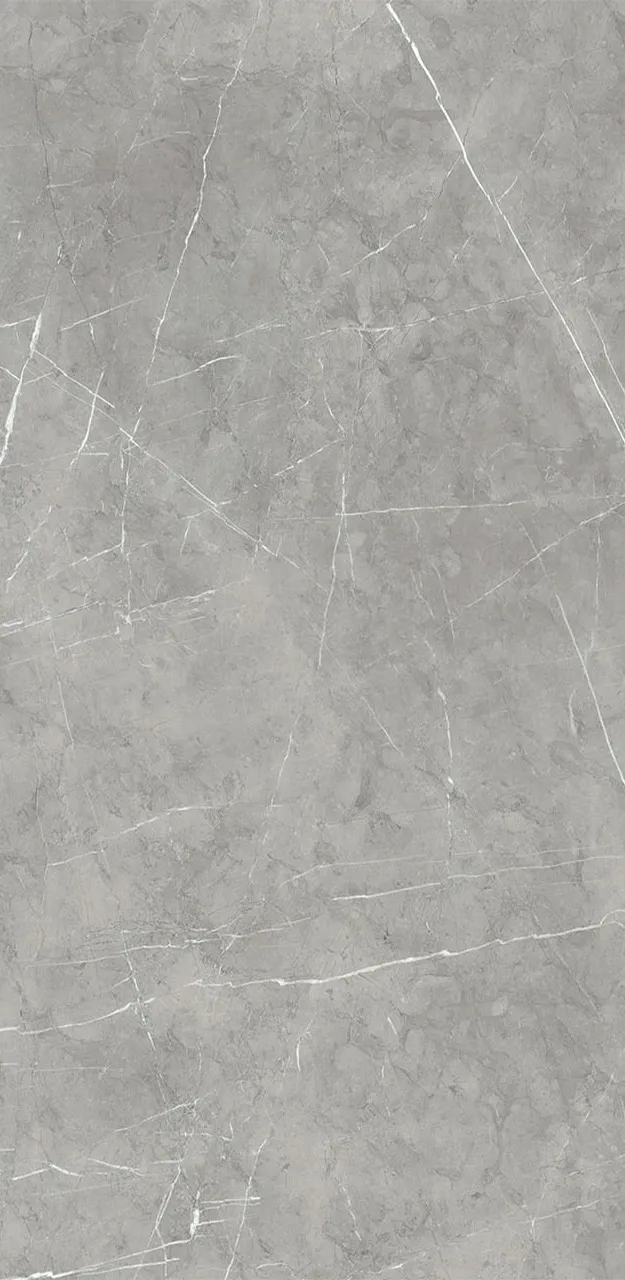
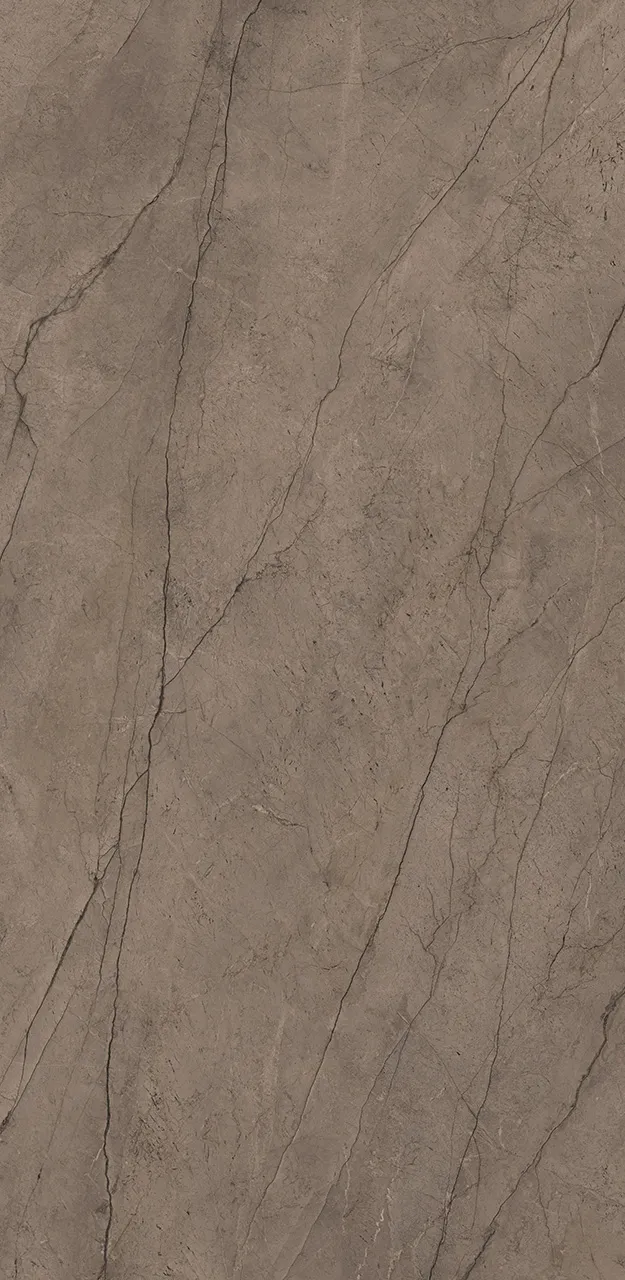





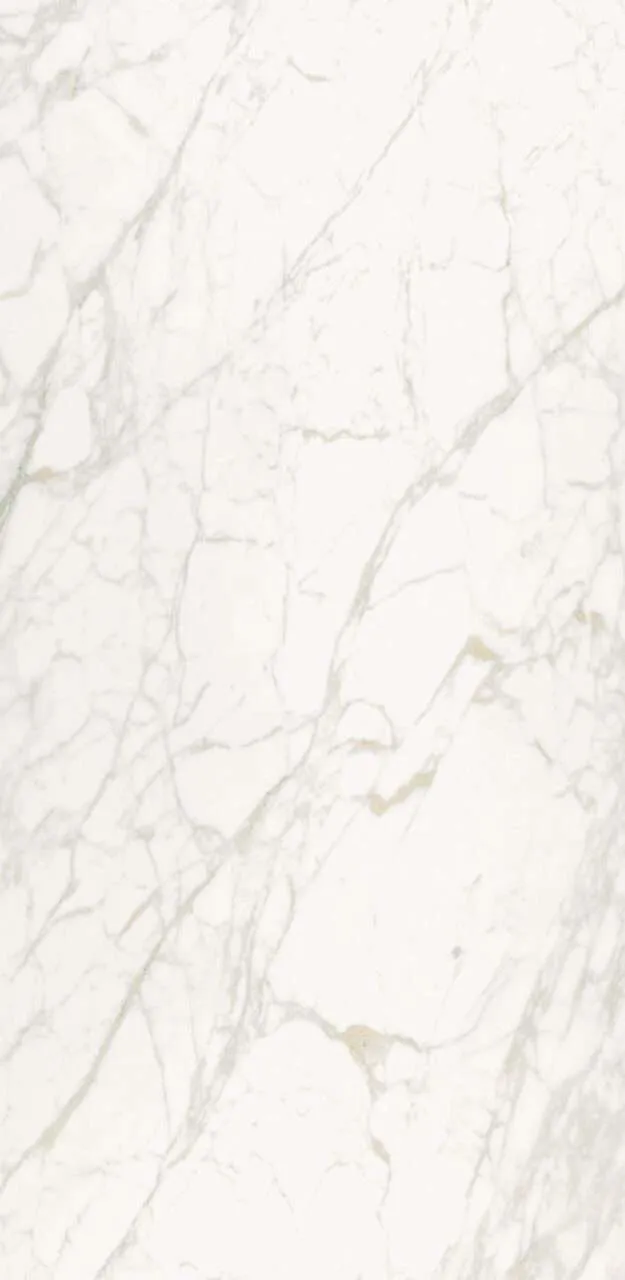
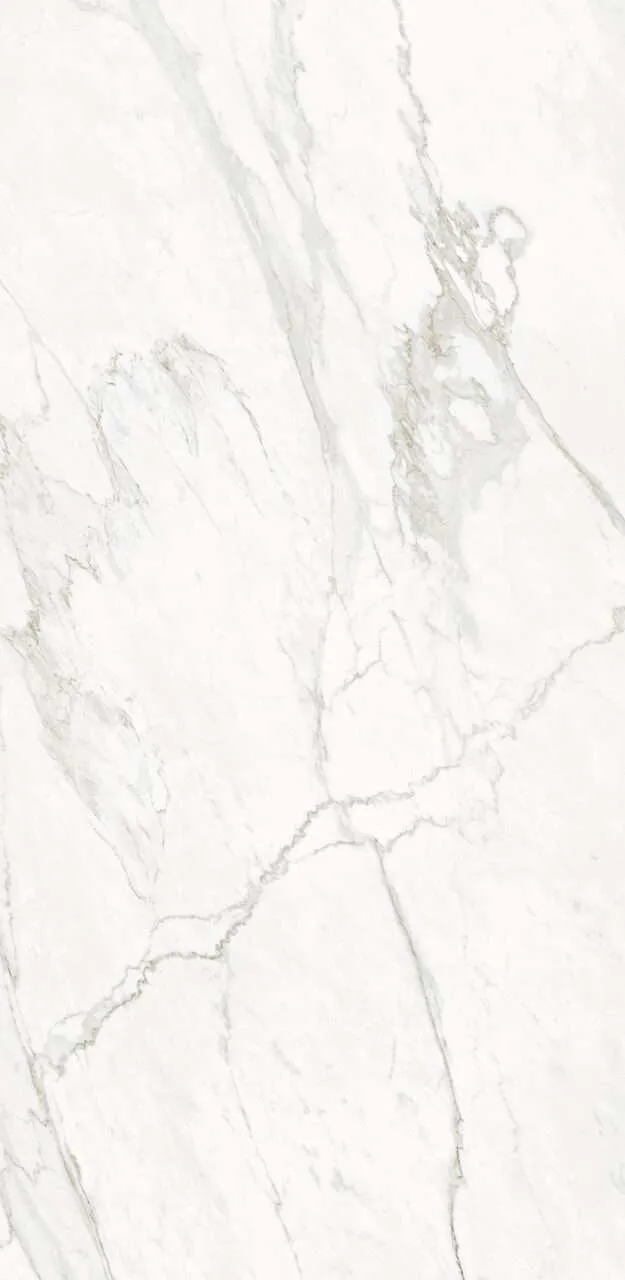
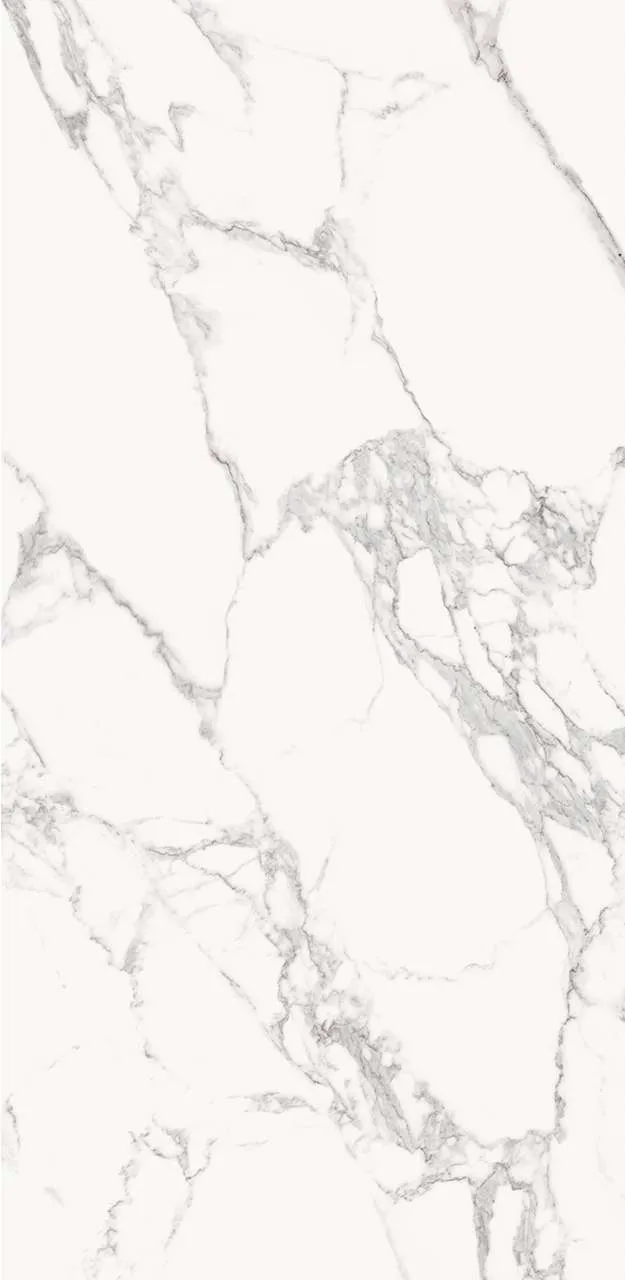
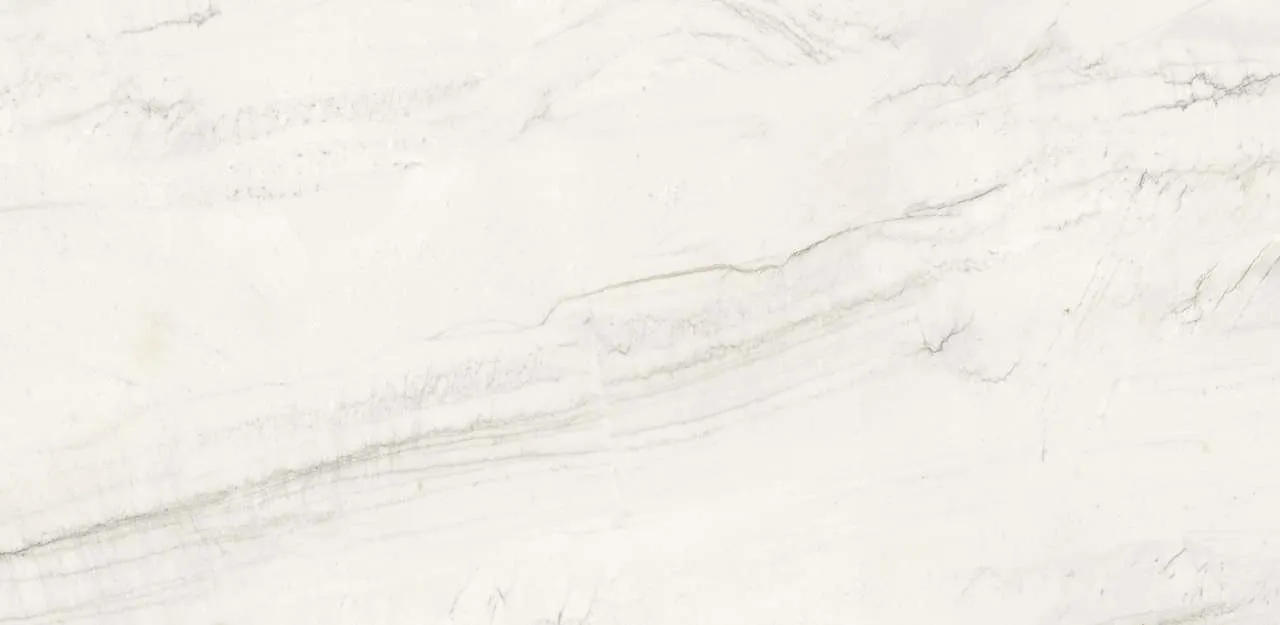
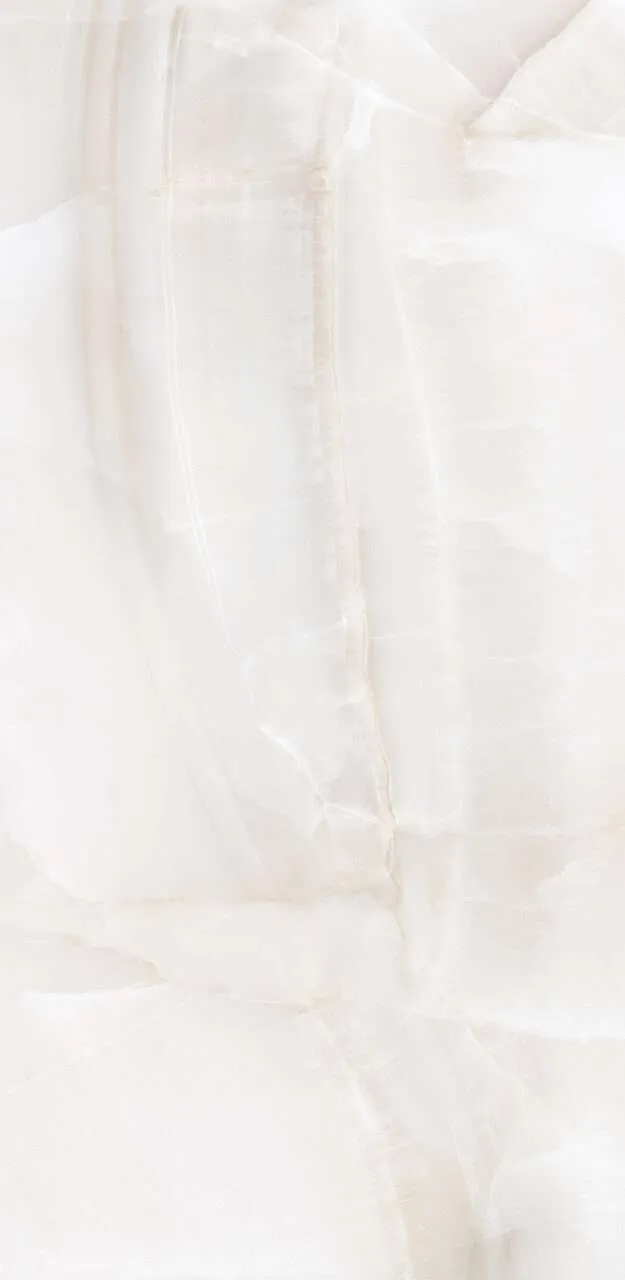

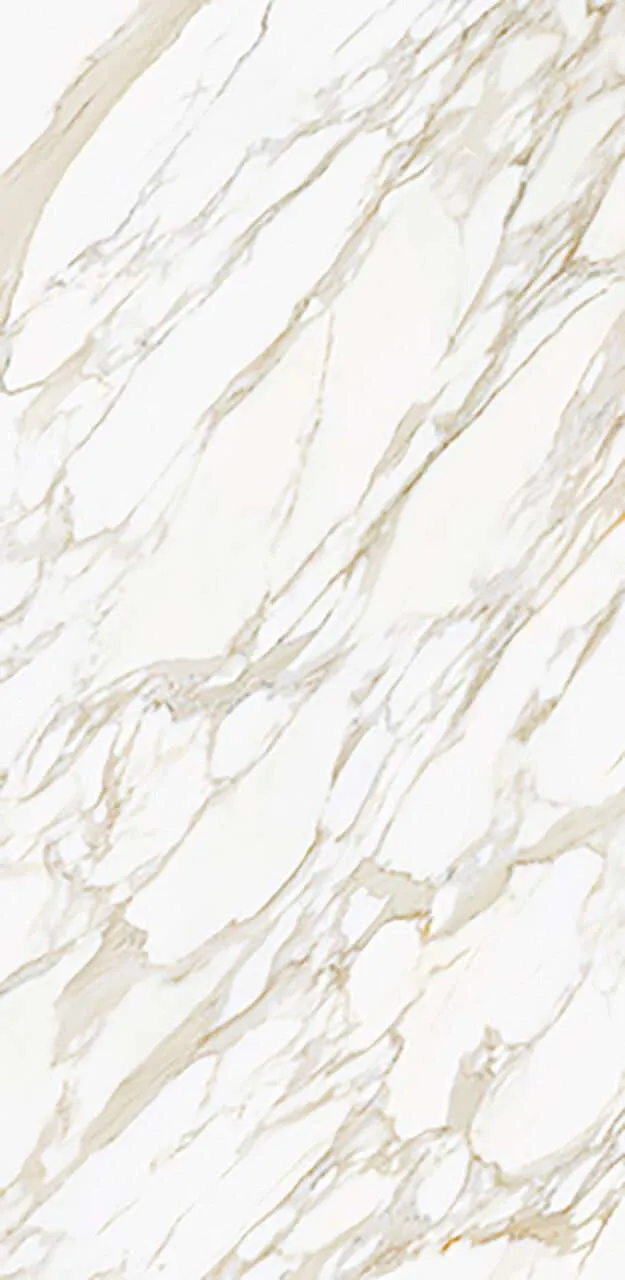
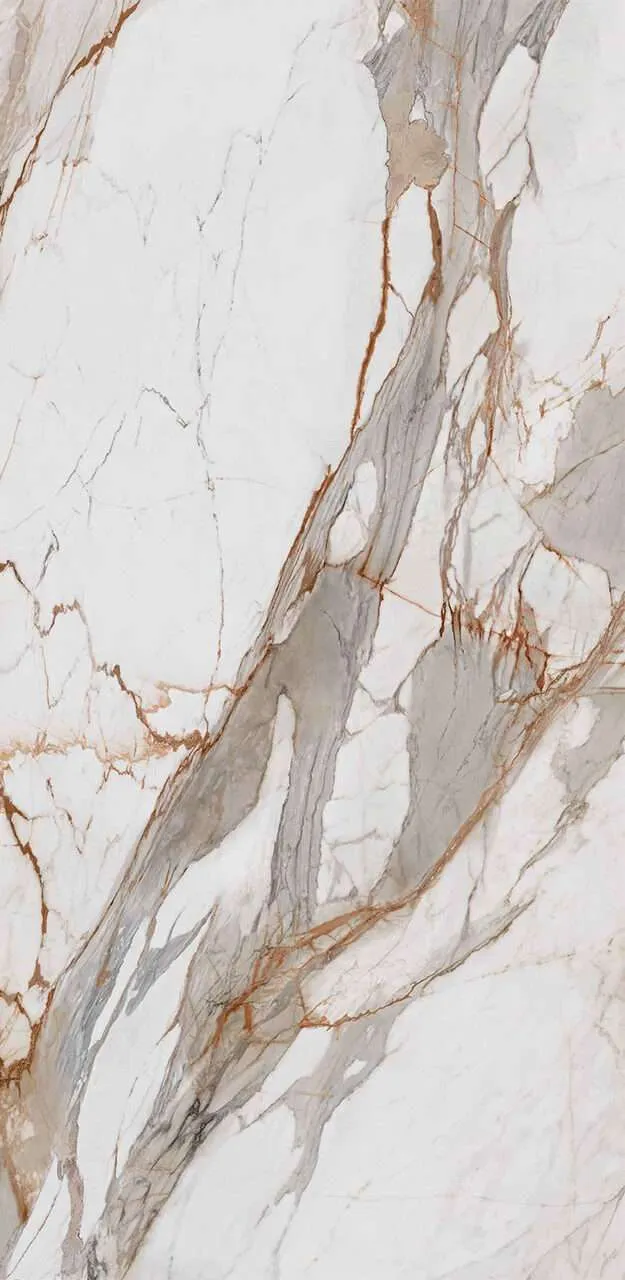




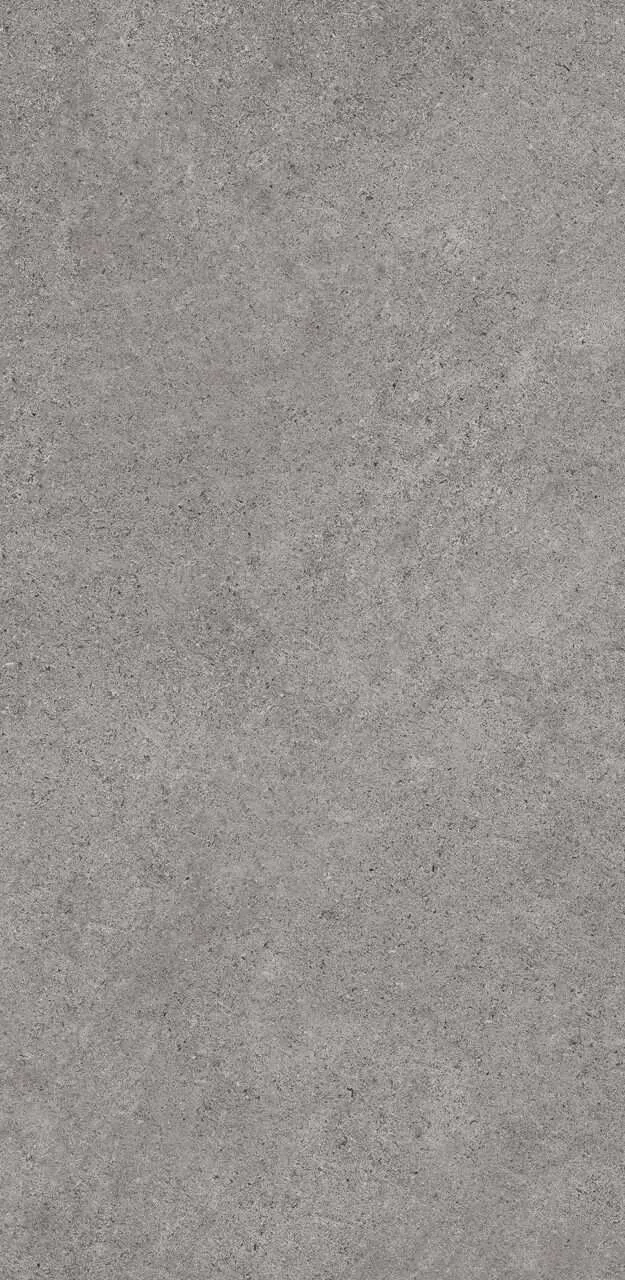
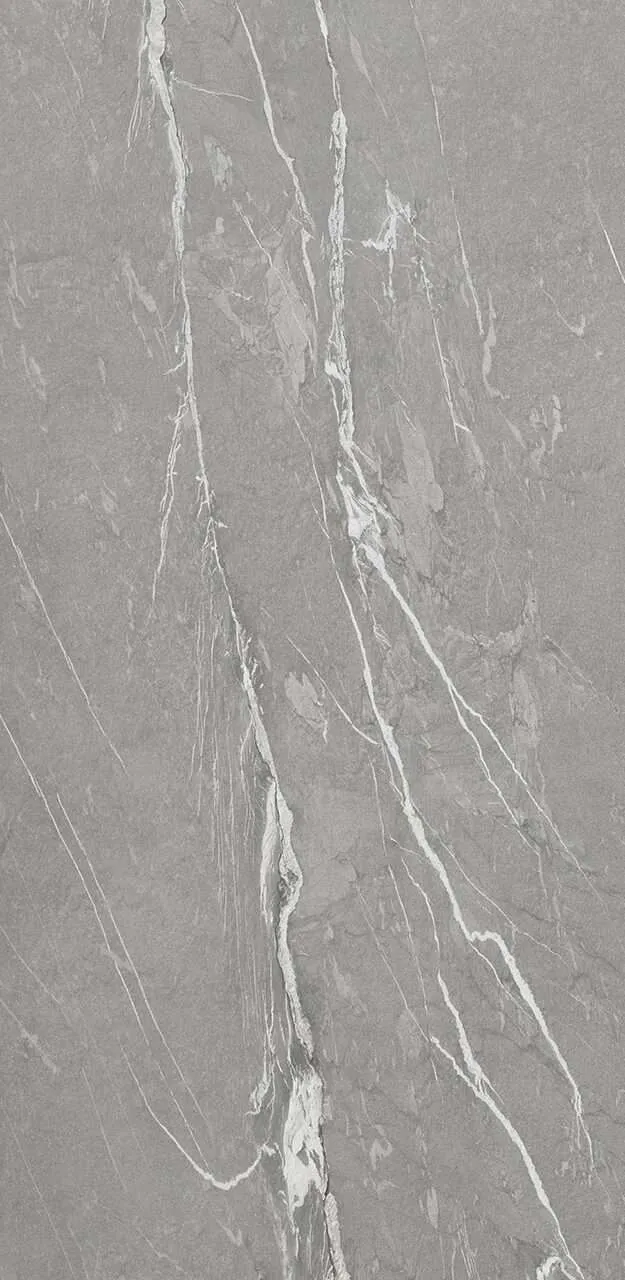

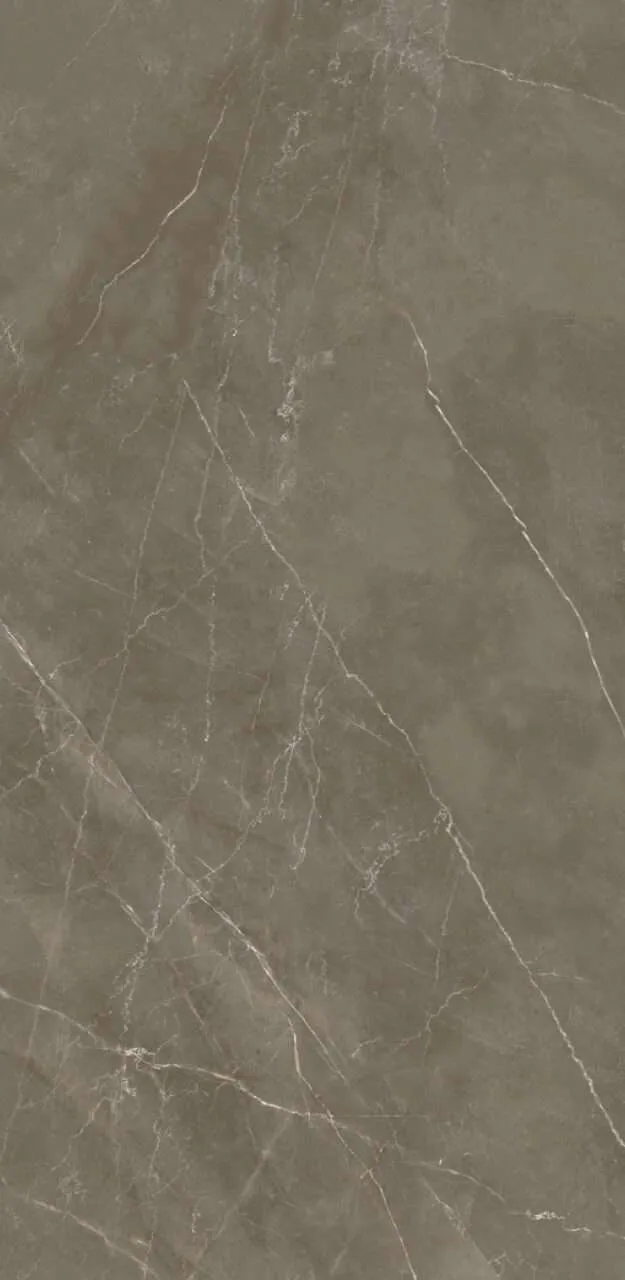
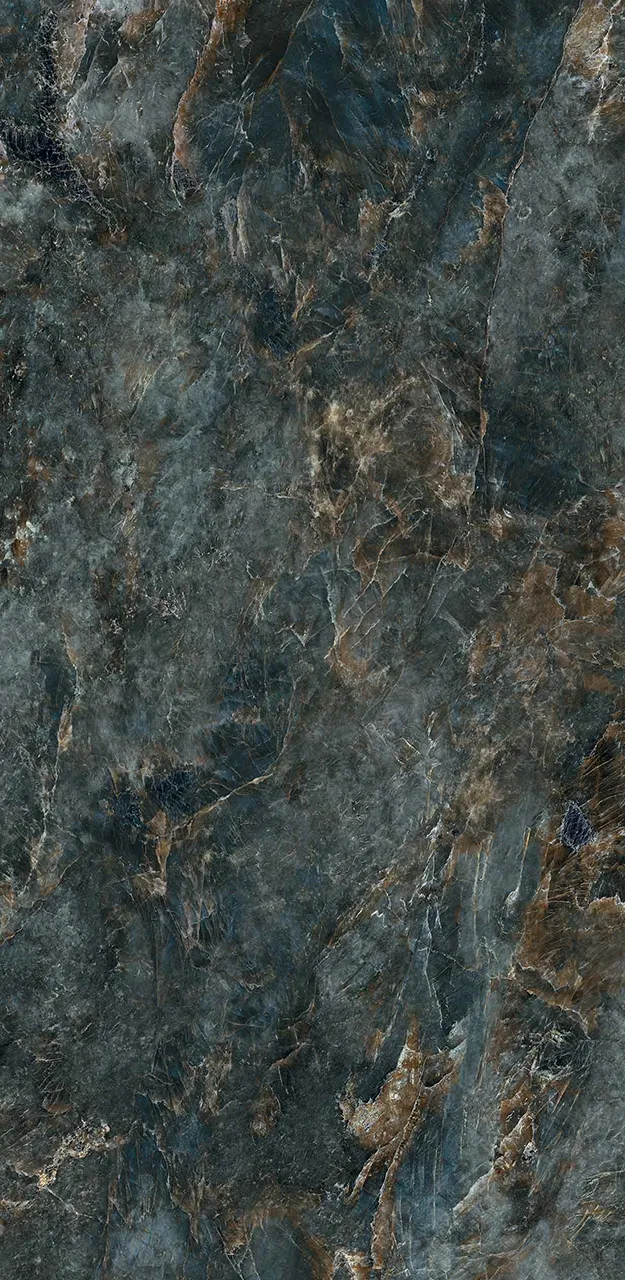
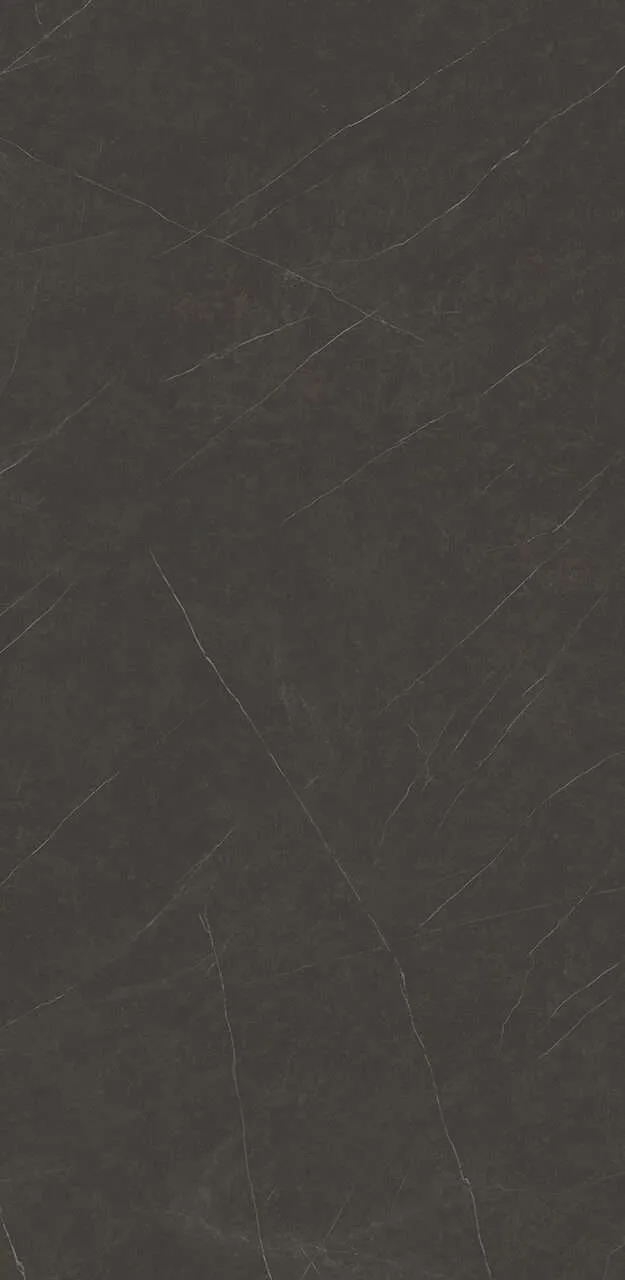





No stones match your filters.
Try removing a filter to see more results.
Porcelain as a Worktop Material
Porcelain has undergone a quiet revolution. The material that once meant small, glossy bathroom tiles is now produced in slabs large enough to cover entire kitchen islands in a single piece. This transformation was driven by advances in pressing technology, digital printing, and kiln engineering that allowed manufacturers to produce large-format, full-thickness slabs with the strength and aesthetic quality required for worktop applications.
The key to porcelain’s appeal is its versatility. Because the surface pattern is applied through digital printing before firing, manufacturers can replicate virtually any material — marble, granite, wood, concrete, rust, fabric — with a level of detail that improves with each generation of printing technology. The pattern is fired into the surface at over 1,200°C, making it permanent and resistant to fading, even under direct UV exposure.
Practical Advantages
Porcelain offers a compelling combination of properties for everyday kitchen use. The surface is non-porous once fired, meaning no sealing is required — spills, oils, and household chemicals wipe clean without absorption or staining. This makes porcelain particularly practical for families and keen cooks who want a surface they don’t need to worry about.
Weight is another significant advantage. Porcelain worktops are considerably lighter than granite or marble of equivalent thickness, which simplifies installation — particularly in upper-floor kitchens, apartments, or on cabinetry that wasn’t designed for the weight of natural stone.
UV stability is excellent. Unlike engineered quartz, which can fade under prolonged sunlight exposure, porcelain maintains its colour and pattern permanently. This makes it suitable for conservatories, sun-facing kitchens, and outdoor applications where sunlight is unavoidable.
Heat resistance is good, though not unlimited. A porcelain surface will withstand brief contact with hot pans without damage, but prolonged exposure to extreme heat — particularly concentrated on a single point — can theoretically cause thermal cracking. A trivet remains good practice, as it does with most materials.
Where Porcelain Works Well
Kitchen worktops are the primary application, and porcelain handles this role well. The large slab formats available — typically up to 3.2m × 1.5m — mean that most standard kitchen runs can be achieved with minimal joins.
Bathroom vanity tops benefit from porcelain’s complete water resistance and the wide range of marble and stone effects available at a fraction of the cost of genuine marble. The material is also increasingly popular for shower walls, splashbacks, and flooring, allowing a consistent material to flow throughout a bathroom scheme.
Splashbacks represent one of porcelain’s strongest applications. Available in slim formats as thin as 6mm, porcelain splashback panels can be fitted from worktop to ceiling with virtually no visible joins. The material’s heat resistance makes it perfectly safe behind hobs and cooking areas.
For outdoor kitchens, porcelain’s UV stability and frost resistance make it a strong candidate, particularly where the budget doesn’t stretch to sintered stone.
Understanding the Limitations
Porcelain is a hard material, but it can be brittle under point impact. A heavy cast-iron pan dropped from height onto the edge of a porcelain worktop could potentially chip or crack the surface. This brittleness is the trade-off for the material’s hardness and scratch resistance.
Edge profiling options are somewhat more limited than with quartz or granite. Porcelain’s internal structure doesn’t lend itself to elaborate bullnose or ogee profiles — most installations use a simple square or slightly eased edge, sometimes with a mitred build-up to create the appearance of a thicker slab.
Compared to natural stone, porcelain lacks the depth and translucency that comes from light penetrating a crystalline structure. A porcelain marble-effect worktop is a surface print — highly convincing at first glance, but it doesn’t carry the geological depth of genuine Carrara or Calacatta. For some customers this distinction matters; for others, the practical advantages more than compensate.
Choosing Porcelain
The porcelain worktop market includes established brands like SapienStone, Laminam, and various ranges from the major tile manufacturers who have expanded into slab production. Pricing is generally competitive — sitting below natural granite and marble and broadly in line with mid-range quartz.
When selecting porcelain, pay particular attention to the slab thickness. Worktop installations typically use 12mm or 20mm slabs, with thinner options available for splashbacks and cladding. Some installations use a bonded construction — a thinner porcelain surface laminated onto a substrate — which reduces material cost and weight but requires careful edge finishing.
The range of finishes has expanded significantly. Beyond the standard polished and matte options, manufacturers now offer textured, honed, and anti-slip finishes that add tactile quality and practical grip. For kitchen worktops, a matte or silk finish tends to be the most practical choice, showing fewer fingerprints and water spots than a high-gloss surface.
Is Porcelain / Ceramic Right For You?
Porcelain / Ceramic surfaces are well suited for kitchen worktops, bathroom vanity tops, splashbacks, feature walls, commercial surfaces and outdoor kitchens. Porcelain / Ceramic is highly stain-resistant, scratch-resistant, heat-resistant and exceptionally hard-wearing, making it a practical choice for busy households and high-traffic areas. With strong UV resistance, these surfaces are also suitable for areas with direct sunlight — including conservatories and south-facing kitchens. With products across the premium to high-end spectrum, porcelain / ceramic offers options for a range of project budgets. No sealing is required, keeping ongoing maintenance simple.
Overview
Porcelain / Ceramic At A Glance
Material
Porcelain / Ceramic
Designs
468 stones
Finishes
Cashmere, DNA, Gemini, Honed, Ki No Bi, Lapped, Matte, Natural, Nature, Polished, Rectified, Satin, Silk, Silky, Slate, Striped, Structured, Texture, Textured, matte, polished
Thicknesses
12mm, 20mm, 3mm, 5mm, 6mm
Slab Sizes
1000x3000mm, 1200x3000mm, 1620x3240mm, 1200 x 2400mm, 1000 x 3000mm, 160 x 320 cm, 1600mm x 3200mm, 1840x3300mm, 3200 x 1600mm
Price Range
Premium to High-End
Warranty
10 years
Maintenance
Low
Sealing Required
No
Performance
How Porcelain / Ceramic Performs
Hardness
5 out of 5
Stain Resistance
5 out of 5
UV Resistance
5 out of 5
Heat Resistance
5 out of 5
Scratch Resistance
5 out of 5
About Porcelain / Ceramic
Porcelain worktops are manufactured from refined clays, silica, and mineral pigments that are pressed at extreme pressure and fired at temperatures exceeding 1,200°C. The result is a dense, vitrified surface with very low porosity and excellent resistance to staining, scratching, and thermal shock. Porcelain's roots in tile manufacturing mean the technology is mature and well-understood, but the application to worktop surfaces — in large-format slabs up to 3.2 metres long — is a relatively recent development that has expanded rapidly over the past decade.
Modern porcelain slabs bear little resemblance to the bathroom tiles most people associate with the word. High-definition digital printing technology allows porcelain manufacturers to reproduce the veining of Calacatta marble, the crystal structure of granite, the warmth of timber, and the texture of concrete with startling accuracy. Combined with competitive pricing, slim profiles, and straightforward fabrication, porcelain has established itself as a serious contender in the worktop market — particularly for projects that prioritise versatility and value.
Frequently Asked
Questions About Porcelain / Ceramic
What exactly is a porcelain worktop and how is it made?
Can I put hot pans directly onto a porcelain worktop?
How does porcelain compare to quartz for kitchen worktops?
Does porcelain stain or require sealing?
Is porcelain a good choice for outdoor kitchens and barbecue areas?
How thin can porcelain worktops be fabricated?
What happens if a porcelain worktop chips?
Which porcelain worktop brands does In2stone supply?
What Our Customers Say
"Excellent Service and Beautiful Results - Highly Recommended! I recently had In2stone install new quartz worktops in my kitchen, and I couldn't be happier with the results. From start to finish, the experience was completely stress-free. The team was not only competitively priced but also incredibly friendly and professional throughout the entire process. They handled everything seamlessly - removing the existing sink, hob, and old laminate worktops before fitting the new quartz surfaces. The finished worktops are absolutely beautiful and have transformed my kitchen into a modern, minimalist space that I love spending time in. The quality of workmanship is outstanding, and the attention to detail really shows. I'm a very satisfied customer and would highly recommend In2stone to anyone considering new worktops. Well done to the entire team - you've exceeded my expectations!"— Ashley ChapmanGoogle
"I've had two kitchen worktops from In2stone, both times the service and quality of the product has been great. Templating and fitting were also seamless. Definite recommend."— Victoria BrindGoogle
"After a consultation on the options and choices available to us, In2stone fitted the worktops for our new kitchen and their professionalism & workmanship was amazing. Templating was excellent and the worktops fitted perfectly. The whole Team were great and I wholeheartedly recommend them to everyone. Good job!"— Bob CullenGoogle
Why Choose Us
Why In2stone
300+ Stones to Choose From
Quartz, granite, marble, ceramic, sintered stone — we carry every major brand and can source virtually any stone worldwide.
"Sam was the most helpful person in the whole process of our renovation."
Jessica Curtis
The Quote Is the Price
No hidden costs, no surprises. We consistently beat competitor quotes — even online discounters decline to match us.
"Beat 6 other companies by a mile. Even an online company that claims to beat any quote declined to."
Dean Fitzpatrick
Customers Come Back
10-year relationships. Families who've had three kitchens done with us. That kind of trust isn't bought — it's earned.
"10 years ago had Ian and Kev do our kitchen… our daughter also used them… today had the team do our new place. 11/10."
Martine
Get In Touch
Let's talk about new worktops.
Whether you know exactly what you want or you're just starting to explore, we're here to help. Call the showroom, visit us in person, or request a quote — there's no hard sell, just honest advice from people who love what they do.
Open Monday–Friday 9am–5pm, Saturday 9am–2pm.
Installation Service
Full supply, templating, fabrication & install across Hampshire, Sussex, Surrey, Dorset & Berkshire.
Supply & Fabrication — UK Wide
We can fabricate to your template or supply stone direct — anywhere in the UK. Learn more.
Browse Porcelain / Ceramic Worktops by Colour